Comment

On "Achilles" Audrey Horne Sharpen Their Sound

Audrey Horne have never sounded particularly interested in standing still. There is a restless energy running through Achilles, their eighth studio album, as though the Norwegian rockers have walked back into the studio with something to prove — not to anyone else, but perhaps to themselves.

Four years after Devil’s Bell, the Bergen five-piece return with a record that feels seasoned without sounding tired. The riffs are big, the twin-guitar work remains a major attraction, and the choruses still have the kind of lift that makes you instinctively reach for the volume control. Yet there is also more room here for atmosphere, groove and unexpected turns.

Audrey Horne performing live at Sauna Open Air 2010, Tampere, Finland. Photo: Fileri. Licensed under CC BY-SA 3.0.

Due for release on September 4, 2026 through Napalm Records, Achilles arrives with 11 tracks that draw freely from the classic hard-rock tradition while giving Audrey Horne plenty of space to put their own stamp on it.

The title track wastes little time establishing the mood. “Achilles” crashes in with weight and purpose before opening out into more expansive territory, with Toschie’s vocals riding over the band's muscular rhythm section. Its lyrics take inspiration from an increasingly polarised world, giving the song a contemporary edge beneath its classic-rock foundations.

Then comes “God Damn Beautiful”, which pulls the listener somewhere altogether different. With its swaggering groove and Thin Lizzy-inspired guitar work, the track has an easy confidence about it — made even more distinctive by bassist Espen Lien taking over lead-vocal duties.

“Insanity” pushes further into the band's more dramatic side. The first song written for the album, it combines twin guitars, a huge chorus and a striking middle section, while its narrative is imagined as a kind of prequel to Iron Maiden's “Hallowed Be Thy Name”. It's a suitably grand piece of storytelling for a band whose music has always had an eye for the theatrical.

Elsewhere, Achilles knows when to slow down. “Pretty Little Lies” brings a darker, more melancholic character to the record, while “New Star Falling” provides a melodic finale. Those changes of pace give the album breathing room and prevent its heavier moments from blurring together.

The appeal of Audrey Horne has always been rooted in their ability to make familiar ingredients feel freshly assembled. Their affection for the great hard-rock records of the 1970s and 1980s is hardly hidden, but Achilles doesn't come across as an exercise in nostalgia. The band's influences are there in the riffs, harmonies and arrangements, yet the performances have enough personality to make the material unmistakably theirs.
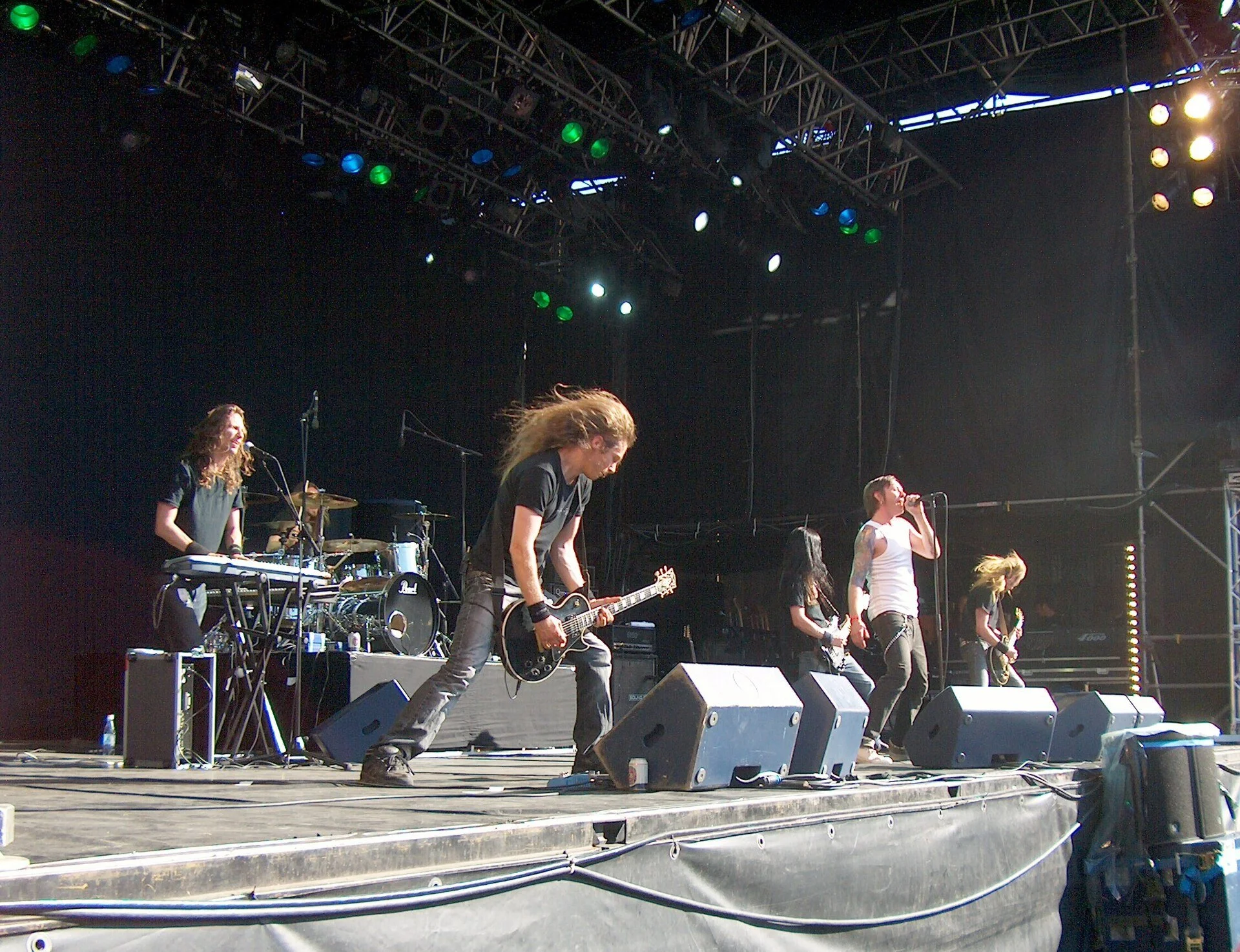
Audrey Horne live at Quart Festival 05, Kristiansand, July 2005. Photo: Mike Rophone. Released into the public domain by the author.

Formed in Bergen in 2002, Audrey Horne have now spent more than two decades refining that identity. From their early records through Youngblood, Pure Heavy, Blackout and Devil's Bell, they've built a reputation for combining muscular rock songwriting with melody and an obvious love of playing live.

Achilles feels like another confident step in that ongoing journey. There are huge riffs here, memorable choruses, moments of genuine atmosphere and just enough left turns to keep the listener guessing. Audrey Horne aren't trying to disguise where they came from — they're simply showing that there is still plenty they can do with it.

And after eight albums, that might be the most convincing argument for Achilles: it sounds like a band that still has somewhere to go.

Comment

Comment

Orchestra Baobab Bring Dakar’s Golden Groove to Life at Snape Maltings

Senegal’s legendary Afro-Cuban ensemble turned Snape Maltings into a dancefloor on a high-energy night of irresistible rhythms, timeless songs and seriously infectious grooves.

There are concerts where you sit back and listen. And then there are concerts where the music seems to make the decision for you.

When Orchestra Baobab arrived at Snape Maltings on 22 August, the latter was very much the order of the night. The Senegalese institution brought the 2026 Summer at Snape series to an exuberant close, delivering the kind of performance that makes the phrase “world music” feel far too small for what is actually happening on stage.

Credit: Neodop / Wikimedia Commons
Licence: Creative Commons Attribution-ShareAlike 4.0 International (CC BY-SA 4.0).

Founded in Dakar in 1970 as the house band of the Baobab Club, Orchestra Baobab became one of the defining ensembles of Senegal’s post-independence musical culture. Their secret has never been a single genre, but the way they make seemingly distant traditions lock together: Afro-Cuban rhythms, Senegalese styles, Wolof vocals, jazz-inflected guitar and an unmistakable love of the dancefloor.

That mixture was everywhere at Snape.

The evening opened at an easy, spacious pace before the percussion began tightening the screws. Congas, timbales and drums supplied a rolling rhythmic engine, while the horns and guitars floated above it. Contemporary coverage of the concert singled out percussionist Taga Koité, who has been with the group since the 1970s, alongside musical director and saxophonist Thierno Koité.

The result was music that could be sophisticated without ever becoming stiff. One moment the band was threading intricate cross-rhythms through sharply executed stops; the next, it was gliding into a slow, romantic ballad before switching gears again for a dance number. The repertoire moved between languages including Wolof, French, Spanish and Portuguese Creole, reinforcing the cosmopolitan character that has always been central to Baobab's identity.

A sound built for movement

Guitarist René Sowatche proved another standout, his semi-acoustic playing providing melodic flourishes that cut elegantly through the rhythm section. Meanwhile, the audience increasingly became part of the performance itself.

By the middle of the first set, dancing had spilled into the aisles, with people moving towards the front of the hall. It was a fitting response to a band whose music has always treated rhythm not as decoration, but as the main event.

The second half pushed the temperature still higher, opening with a salsa-inflected number and a particularly striking interplay between the percussion and saxophones. The band seemed to encourage the crowd as much as entertain it, with the musicians visibly responding to the dancers gathered in front of the stage.

It is perhaps the greatest compliment that can be paid to Orchestra Baobab: despite the musical detail beneath the surface, nothing felt academic. The rhythms could be intricate, the arrangements multi-layered and the instrumental interplay remarkably tight, but the groove was never sacrificed.

That balance has been part of Baobab's appeal since their remarkable revival at the beginning of the 2000s. After a long hiatus, the group returned to prominence with Specialist in All Styles in 2002, an album that The Guardian described at the time as a major comeback and praised for bringing together Cuban dance influences, Senegalese musical traditions and pop melodies.

More than two decades later, the band is still evolving.

Credit: Bunks / Wikimedia Commons
Licence: Creative Commons Attribution 3.0 Unported (CC BY 3.0).

The Baobab tree keeps growing

Snape's concert arrived just weeks before the release of Made in Senegal, Orchestra Baobab's first new studio album since 2017's Tribute to Ndiouga Dieng. Recorded entirely in Dakar and due on Strut Records on 23 October 2026, the album brings together veteran musicians and a younger generation of players, with new material sitting alongside reworked pieces from the group's extraordinary catalogue.

Among the album's tracks is “Baobab 50 Ans”, marking the group's half-century legacy, while “Casamance” looks towards the culturally rich region of southern Senegal associated with several members of the Orchestra Baobab story.

There is something especially appropriate about Orchestra Baobab playing at Snape Maltings. This is music with history in its bones, but it is not museum music. It still moves, still surprises and, judging by the reaction in the hall, still gets people out of their seats.

For a band approaching its sixth decade, that is no small achievement.

Orchestra Baobab's great trick is to make longevity sound like freedom rather than nostalgia. The old rhythms remain, the songs retain their character, but the musicians keep finding new space inside them.

At Snape, the result was a glorious reminder that some grooves don't age. They simply grow deeper roots.

Comment

Comment

On "The Montreux Years", Roberta Flack’s Montreux Legacy Comes Alive

Roberta Flack never needed to overpower a room to hold it. There was a quiet authority in her performances — the kind that drew people in rather than demanded their attention. Her voice could be intimate without ever becoming fragile, sophisticated without losing its soul — a quality that made her one of the defining recording artists of the 1970s.

Now, that quietly formidable live presence gets a fresh showcase with Roberta Flack: The Montreux Years, a 13-track collection drawn from five of her appearances at the legendary Montreux Jazz Festival. Released by BMG and the Montreux Jazz Festival on June 26, 2026, the set brings together performances recorded in 1971, 1972, 1990, 2005 and 2008, creating a remarkably broad portrait of Flack as a live performer.

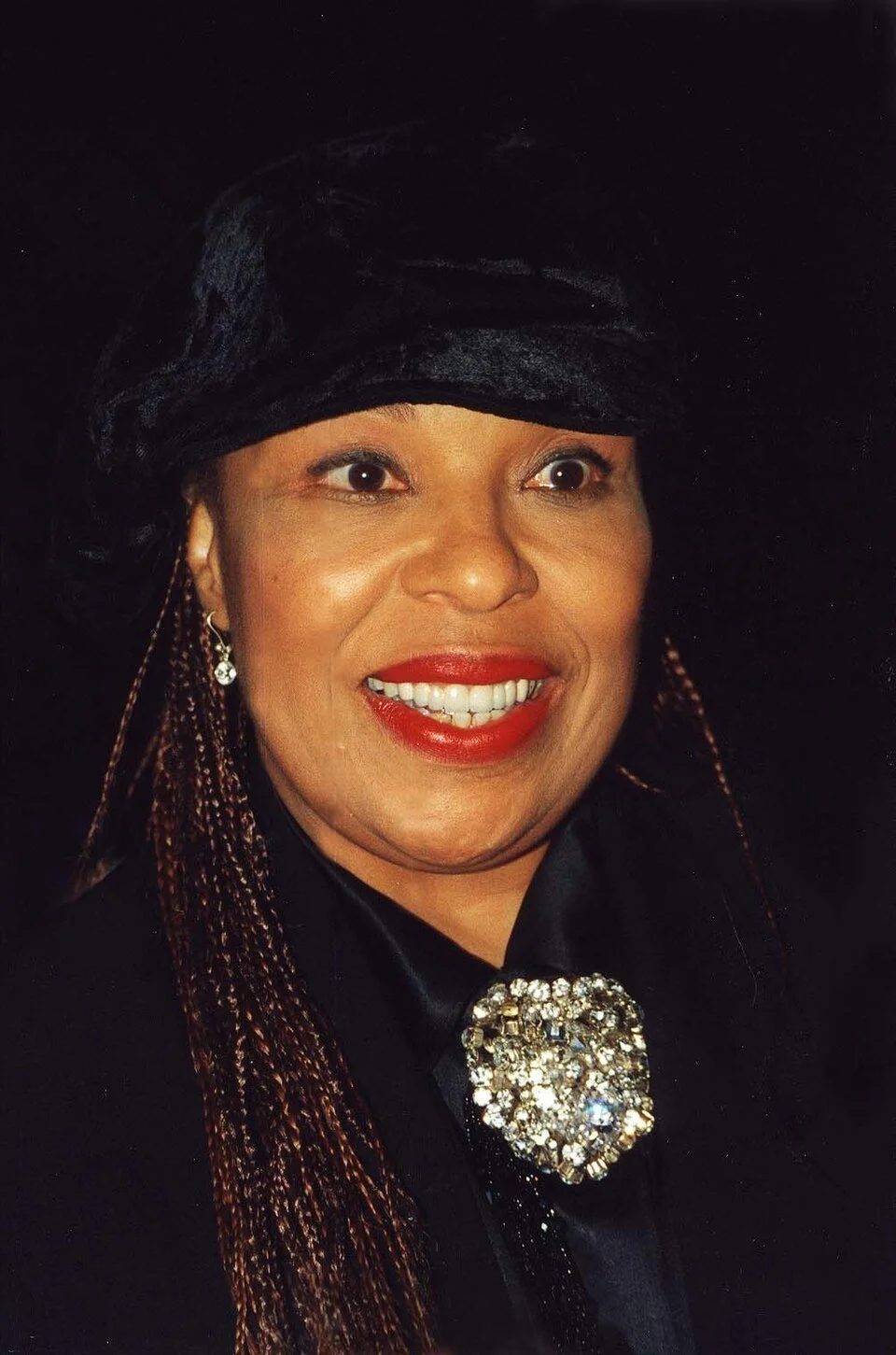
Image: Roberta Flack at Baltimore’s M.D. Meyerhoff Theater in 1995. Photo by John Mathew Smith, via Wikimedia Commons. Licensed under CC BY-SA 2.0.

From the early ’70s to the final Montreux appearance

The real attraction here is the timespan. Flack first appeared at Montreux in June 1971, when she was still in the early stages of the career that would soon make her a household name. The collection then jumps forward through 1972, 1990, 2005 and finally 2008.

That makes The Montreux Years more than a straightforward greatest-hits package. It is effectively a live career snapshot, showing how Flack’s interpretation of a song could evolve across decades while retaining the qualities that made her performances so distinctive.

The tracklist moves between familiar classics and less obvious choices. There is the hushed grandeur of “The First Time Ever I Saw Your Face”, captured at the Auditorium Stravinski in 2005, alongside “Killing Me Softly With His Song”, “Feel Like Makin’ Love” and “Mercy Mercy Me.” Earlier Montreux recordings include “To Love Somebody” from 1971 and “Suzanne” and “Somewhere” from 1972.

And then there is the 1990 material: “I’d Like To Be Baby To You,” “More Than You’ll Ever Know” and “Always.” The first of those has been singled out as an early taste of the collection, offering a glimpse of Flack in a different era but still operating with that trademark control and warmth.

A voice built for the live setting

Flack’s reputation was never based simply on vocal fireworks. Classically trained as a pianist and educated at Howard University, she developed a style in which restraint became a form of power. The Smithsonian has described her music as embracing blues, folk, R&B, jazz, classical and pop influences — a useful description of why her records have always resisted being neatly filed under one genre.

That versatility is particularly revealing on The Montreux Years. Rather than presenting Flack as a museum piece frozen in the early 1970s, the collection allows the listener to hear an artist continuing to reinterpret her musical world well into the 21st century.

The performances were also fully restored and newly mastered by Tony Cousins at London’s Metropolis Studios, with the release accompanied by liner notes from Flack’s longtime manager Suzanne Koga and rare and previously unseen photographs.

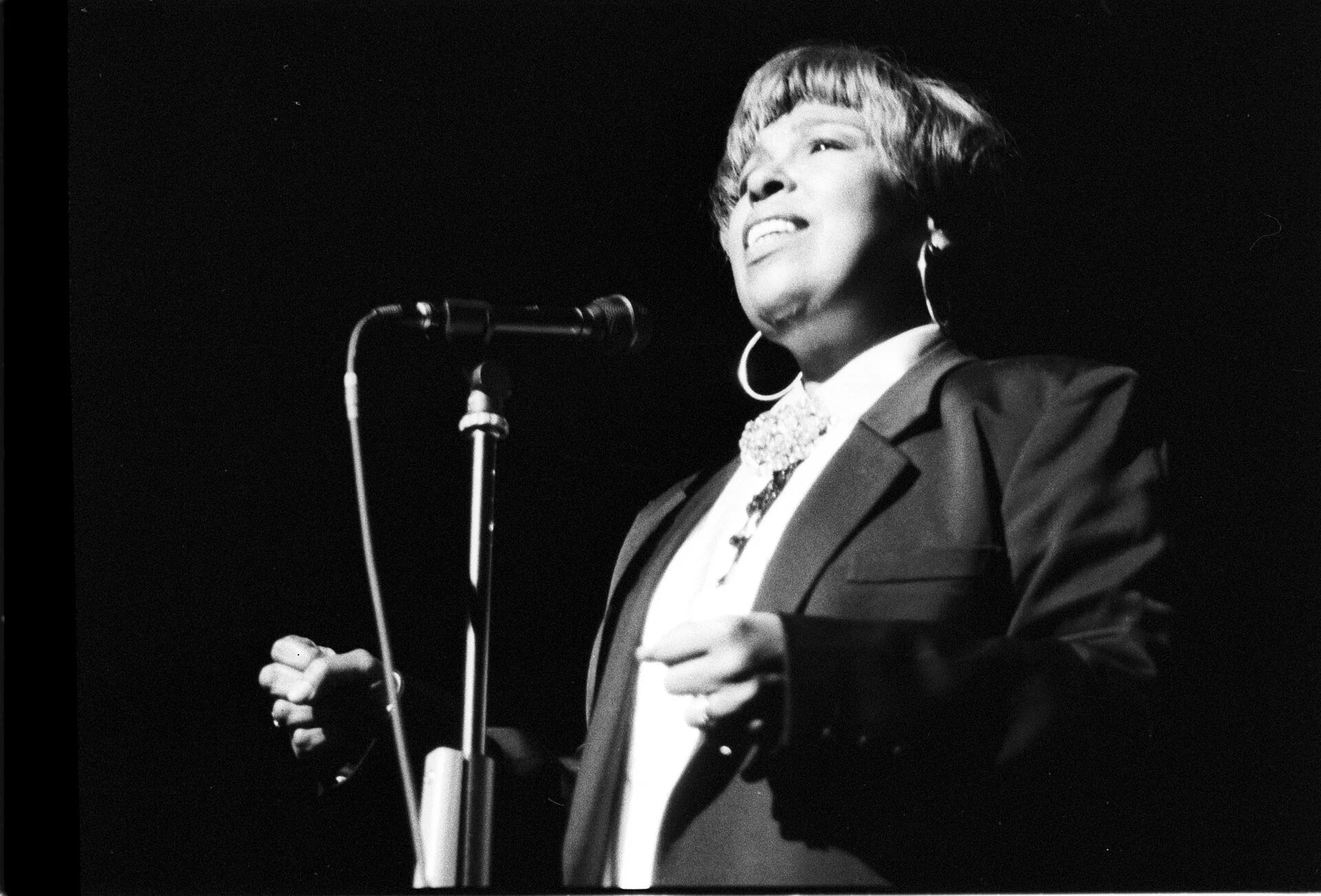
Image: Roberta Flack performing in Deauville, France, July 1992. Photo by Roland Godefroy, via Wikimedia Commons. Licensed under CC BY-SA 3.0.

A fitting addition to Flack’s legacy

Flack died on February 24, 2025, aged 88, leaving behind a catalogue that included four Grammy wins and the distinction of becoming the only solo artist to win consecutive Grammy Awards for Record of the Year — for “The First Time Ever I Saw Your Face” in 1973 and “Killing Me Softly With His Song” in 1974. She was also honoured with the Recording Academy’s Lifetime Achievement Award in 2020.

That makes the arrival of The Montreux Years especially poignant. It isn't simply another archival release designed to fill a gap in a catalogue. Heard together, these recordings trace nearly four decades of an artist who never needed to shout to make an impact.

Montreux gave Roberta Flack a stage; these recordings give listeners the chance to step back into that stage with her. And for anyone who has ever been drawn to the exquisite calm, emotional precision and understated drama of Flack’s music, The Montreux Yearsis a particularly welcome reminder of just how extraordinary that voice could be when the lights went down and the music began.

Comment

Comment

On "YDOS", Black Spikes Turn The Extreme Metal Rulebook To Ashes

Lithuania’s modern-metal outsiders collide blast beats, progressive metal, electronics, trap and theatrical storytelling on a dark fairytale about the vices lurking inside us.

There are plenty of ways for a metal band to announce that it intends to do things differently. Black Spikes have apparently decided that the best approach is to throw the entire rulebook into the fire.

The Lithuanian quintet return on 28 August with Ydos, their second full-length album and their first release through Austrian heavy-music institution Napalm Records. If the early material is anything to go by, this is a band with absolutely no interest in staying obediently inside one particular corner of the metal spectrum.

And that is precisely what makes Ydos so intriguing.

Black Spikes have built their sound around collision rather than convention. Progressive metal, electronic textures, crushing riffs, blast beats, breakdowns, atmospheric passages and even trap and rap elements are all allowed into the same room. Metal Hammer's assessment of the record highlights that restless mixture, pointing to progressive passages and blasts on “MOTINA”, rap and trap beats on “MELAS”, and pulsing electronics and punishing low-end on “ZELVAR”.

The result isn't simply genre soup, either. There is a deliberate narrative holding the whole thing together.

Welcome to the world of Ydos

The Lithuanian word ydos refers to vices or flaws, and Black Spikes have turned that idea into a dark musical fairytale. Rather than simply writing a collection of heavy songs and attaching a concept afterwards, the band say the story came first and guided the songwriting process. Each track explores a different human vice, giving the album a structure that is closer to a nightmare fable than a conventional collection of singles.

Opening track “PASAKA” — meaning “fairy tale” — establishes that atmosphere with ticking sounds and orchestral textures before vocalist Agni enters with high vocals and screams. “MOTINA”, translated as “mother”, then begins the story of the birth of the vices, expanding into growls, blast beats and elaborate guitar work.

From there, the album gets considerably stranger.

“MELAS” explores lies while bringing trap and rap into the band's modern-metal framework. “MARA” tackles excessive curiosity through sharp contrasts between serenity and violence, while “ZELVAR” represents greed and is notable for containing the album's only English lyrics. “REVANA” turns its attention to revenge, before “APATIJA” explores apathy and “AUREA” examines pride.

It is an ambitious idea — and, crucially, one that seems to have been allowed to influence the music rather than merely decorate it.

Heavy enough to crush, strange enough to linger

At the centre of all this is Agni's remarkably flexible vocal performance. The band's music can move from atmospheric and almost hypnotic passages into shrieks, screams and deep guttural growls without seeming to lose its sense of identity. Metal Hammer likewise singled out her range, describing a voice that moves between whispers, screams and growls in her native Lithuanian.

That use of Lithuanian is another part of what makes Black Spikes stand apart. Rather than abandoning their native language in pursuit of an international metal audience, the band have made it an integral part of their identity. Even when you cannot understand the words, the theatrical delivery makes the songs feel less like straightforward verse-chorus compositions and more like scenes from some beautifully sinister film.

That cinematic quality has already been noticed by critics. MetalTalk praised the album's combination of orchestration, blast beats, progressive and djent-influenced rhythms, electronic textures and changes in tempo and dynamics, while other coverage has highlighted the way Black Spikes combine darkness with unexpectedly graceful or atmospheric passages.

A band suddenly stepping onto a bigger stage

Ydos also arrives at an important moment for Black Spikes.

The band have recently signed with Napalm Records — a significant step for a group emerging from Lithuania's metal scene — and the album follows increased attention at home, including a double nomination at Lithuania's M.A.M.A. Music Awards. They also spent 2026 on the road with Infected Rain and Butcher Babies, giving audiences outside Lithuania a chance to experience the band's theatrical approach in the flesh.

That live identity matters. Reports from the tour describe Black Spikes as a visually striking act as well as an intensely heavy one, with costumed musicians, atmospheric staging and contemporary dance adding another layer to the performance.

In other words, the band aren't simply making unusual records. They appear to be building an entire world around them.

The rulebook was never going to survive

There is something refreshingly fearless about Ydos. Black Spikes aren't attempting to reinvent every component of heavy music individually; instead, they are asking what happens when you stop worrying about which components are supposed to belong together.

The answer, judging from the material already released, is a record where blast beats can collide with electronic bass, progressive arrangements can give way to trap rhythms, ethereal vocals can suddenly become monstrous screams, and a song about an abstract human vice can still hit with the physical force expected from modern extreme metal.

That makes Ydos less a rejection of extreme metal than an expansion of its borders.

The rulebook, then, hasn't merely been bent.

Black Spikes have set fire to it — and are dancing in the flames.

Comment

Comment

Joshua Cavanagh-Brierley Turns Big-Band Ambition Into Something Gloriously Alive

There is something wonderfully mischievous about Joshua Cavanagh-Brierley’s The Mild Mannered and the Mortal. The title sounds almost self-effacing, but the music underneath it is anything but.

Released by Manchester’s Efpi Records on 7 August 2026, the album is the fourth release as a leader from the Manchester-based double bassist and composer. It brings together a new sextet built around the rhythm-section chemistry of Cavanagh-Brierley’s Angle Shades trio — pianist Richard Jones and drummer Johnny Hunter — with trumpeter Graham South, tenor saxophonist Kyran Matthews and trombonist Ellie Smith completing the frontline. Olivia Cuttill also appears on trumpet on “Rich and Catherine”.

The result is a record that repeatedly sounds bigger than the personnel on the sleeve. Cavanagh-Brierley has a history of writing for larger ensembles — his 2021 album Joy in Bewilderment expanded as far as a 12-piece group and featured American saxophonist Chris Potter — but here he achieves a similarly expansive effect with considerably fewer musicians.

A dream, a ghost of Mingus, and eight new compositions

The strangest part of the story may be how the album began. Cavanagh-Brierley has explained that the project grew from a vivid dream about discovering a previously unknown Charles Mingus album. Rather than simply waking up and forgetting it, he tried to reconstruct the music he had heard in the dream, eventually producing “Toby Would’ve Hated This”, a piece that gives Smith’s trombone a particularly prominent role.

That Mingus connection is important, but The Mild Mannered and the Mortal isn't simply an exercise in retro jazz cosplay. Cavanagh-Brierley has been clear that he wasn't attempting to make a Mingus album — instead, the aim was to capture something of the older bassist-composer's exuberance, unpredictability and sheer delight in musical interaction. The distinction matters.

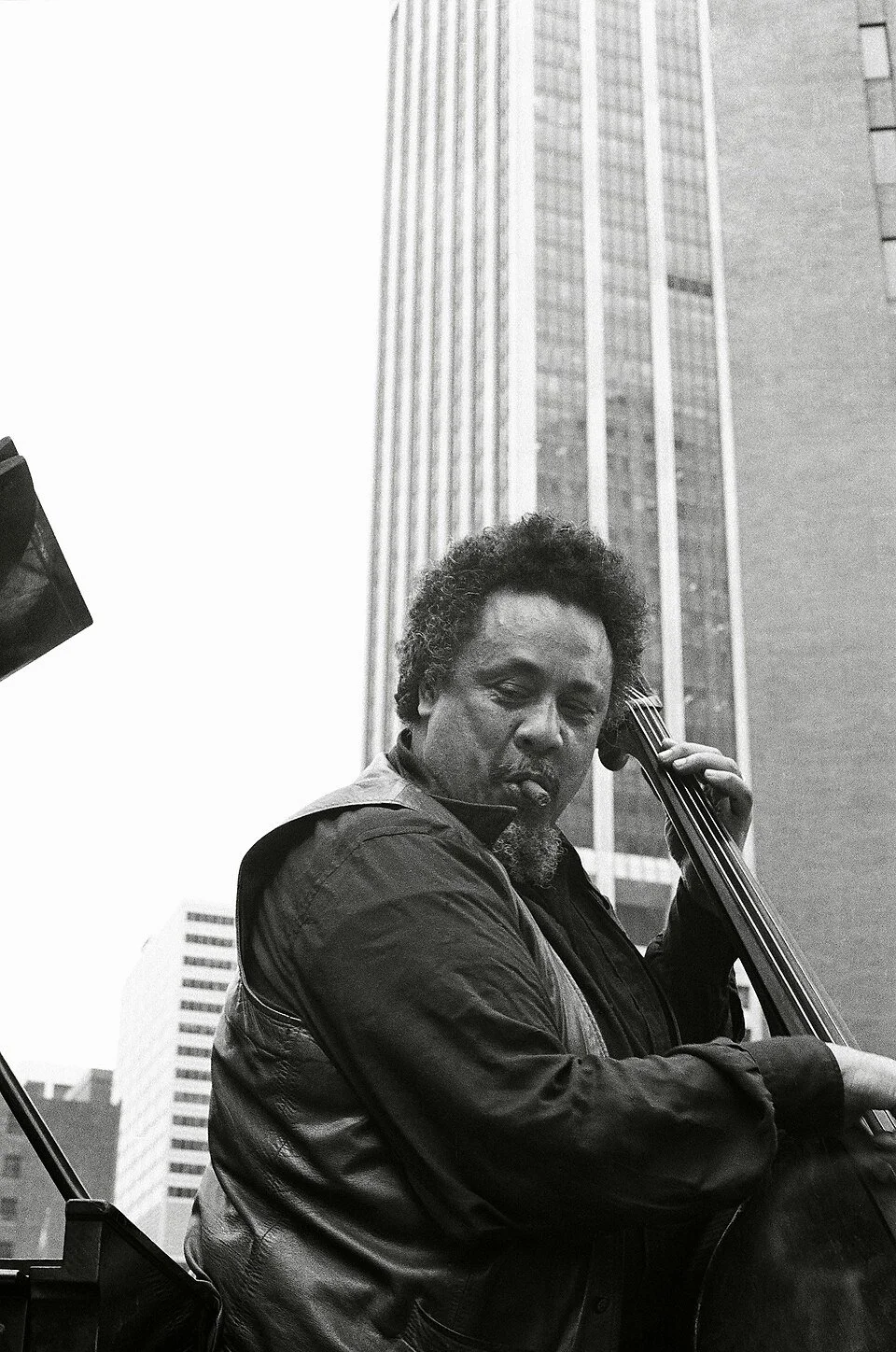
Image credit: Charles Mingus, photographed by Tom Marcello at the Bi-Centennial celebration in Lower Manhattan, 4 July 1976. Wikimedia Commons. Licensed CC BY-SA 2.0.

When a sextet sounds like a small orchestra

The album's opening track, “Elvin's Lullaby”, establishes the approach immediately: long horn melodies, richly layered ensemble writing and Jones's piano threading through the arrangement before South takes an expansive solo. “25 O'clock” pushes harder, with Hunter driving the group into something approaching miniature big-band territory.

Then comes “Can't Get A Luckin'”, a 12½-minute journey through shifting styles and tempos that finally gives Cavanagh-Brierley a chance to step out from behind the composer's desk and put his double-bass playing front and centre. “Rich and Catherine”, meanwhile, changes the temperature, allowing Cuttill's trumpet to bring a warmer, more lyrical quality to the record.

It's this ability to change shape without losing the identity of the band that makes the record particularly compelling. One moment the horns suggest a compact big band; the next, the music is opening into something looser and more abstract.

“Lift Off” lives up to its name, turning the sextet into a punchy, high-energy unit, while the title track — listed as “The Mild Mannered are the Mortal” — moves through multiple dynamic and stylistic shifts. Jones, previously operating largely as an ensemble player, gets room to really stretch out, producing one of the album's standout piano performances.

The North's new jazz energy

Perhaps the most exciting thing about the record is that it feels less like a showcase for one composer than a conversation between musicians who know exactly how far they can push one another.

Cavanagh-Brierley has described the familiarity between the core players as a major part of the writing process, and that familiarity comes through in the looseness beneath the elaborate arrangements. The recording was made in Manchester in March 2024 with the musicians playing together in the same room, rather than being separated into isolation booths — a choice that helps explain the unusually immediate ensemble sound.

Kyran Matthews is particularly prominent, delivering a muscular tenor presence throughout, while Hunter's drumming provides a flexible engine capable of moving from supportive propulsion to full-on rhythmic attack. Smith's trombone gives the three-horn front line an earthy weight, while Jones and Cavanagh-Brierley keep the harmonic and rhythmic machinery constantly shifting beneath it.

Potter's appearance on Joy in Bewilderment also provides a useful reminder of how wide Cavanagh-Brierley's musical world already is. His official biography lists work with Potter alongside artists including Matthew Halsall, Nishla Smith, Caoilfhionn Rose Birley and the Beats & Pieces Big Band, as well as orchestral work and theatre productions.

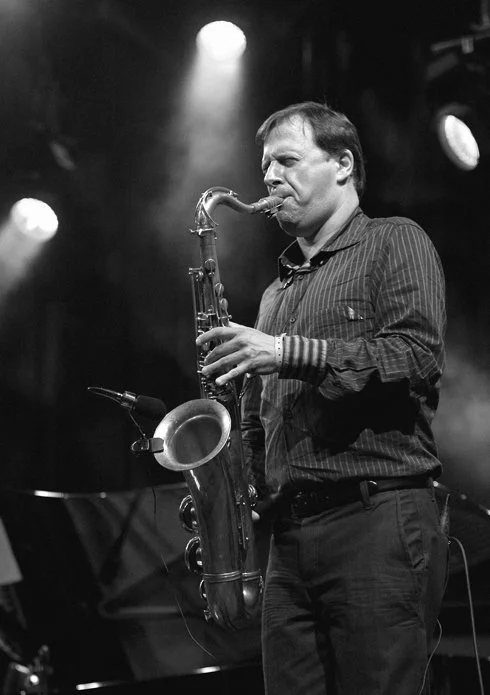
Image credit: Chris Potter at the North Sea Jazz Festival, photographed by Geert Vandepoele. Wikimedia Commons. Licensed CC BY-SA 2.0.

Mild manners, mortal consequences

For all its sophistication, The Mild Mannered and the Mortal never seems overly concerned with proving how clever it is. That's arguably its greatest strength.

There are complex harmonies, abrupt turns, extended improvisations and carefully orchestrated passages everywhere, but the arrangements leave genuine space for the players. Even the album's more intricate moments retain a sense of movement and personality rather than becoming exercises in compositional gymnastics. Independent reviews have similarly singled out the balance between detailed writing and freedom for the soloists.

And then there is “Mr. Relaxed”, the closing track whose title proves to be a wonderfully unreliable description. The piece is lively, with energetic ensemble interplay followed by solos from South, Jones and Matthews. It's a fitting finale for an album whose supposed mildness repeatedly gives way to something much more animated.

At well over an hour, this isn't background music. It's an album that demands a little time — but rewards it with the sense that something is constantly happening just around the corner.

Joshua Cavanagh-Brierley's The Mild Mannered and the Mortal may borrow a mischievous spark from Mingus, but it ultimately belongs to its own moment: a Manchester-made, forward-looking jazz record full of restless arrangements, heavyweight ensemble playing and musicians clearly enjoying the freedom to surprise one another.

And for a record called The Mild Mannered and the Mortal, that's a pretty lively way to be.

Comment