
Roberta Flack never needed to overpower a room to hold it. There was a quiet authority in her performances — the kind that drew people in rather than demanded their attention. Her voice could be intimate without ever becoming fragile, sophisticated without losing its soul — a quality that made her one of the defining recording artists of the 1970s.
Now, that quietly formidable live presence gets a fresh showcase with Roberta Flack: The Montreux Years, a 13-track collection drawn from five of her appearances at the legendary Montreux Jazz Festival. Released by BMG and the Montreux Jazz Festival on June 26, 2026, the set brings together performances recorded in 1971, 1972, 1990, 2005 and 2008, creating a remarkably broad portrait of Flack as a live performer.
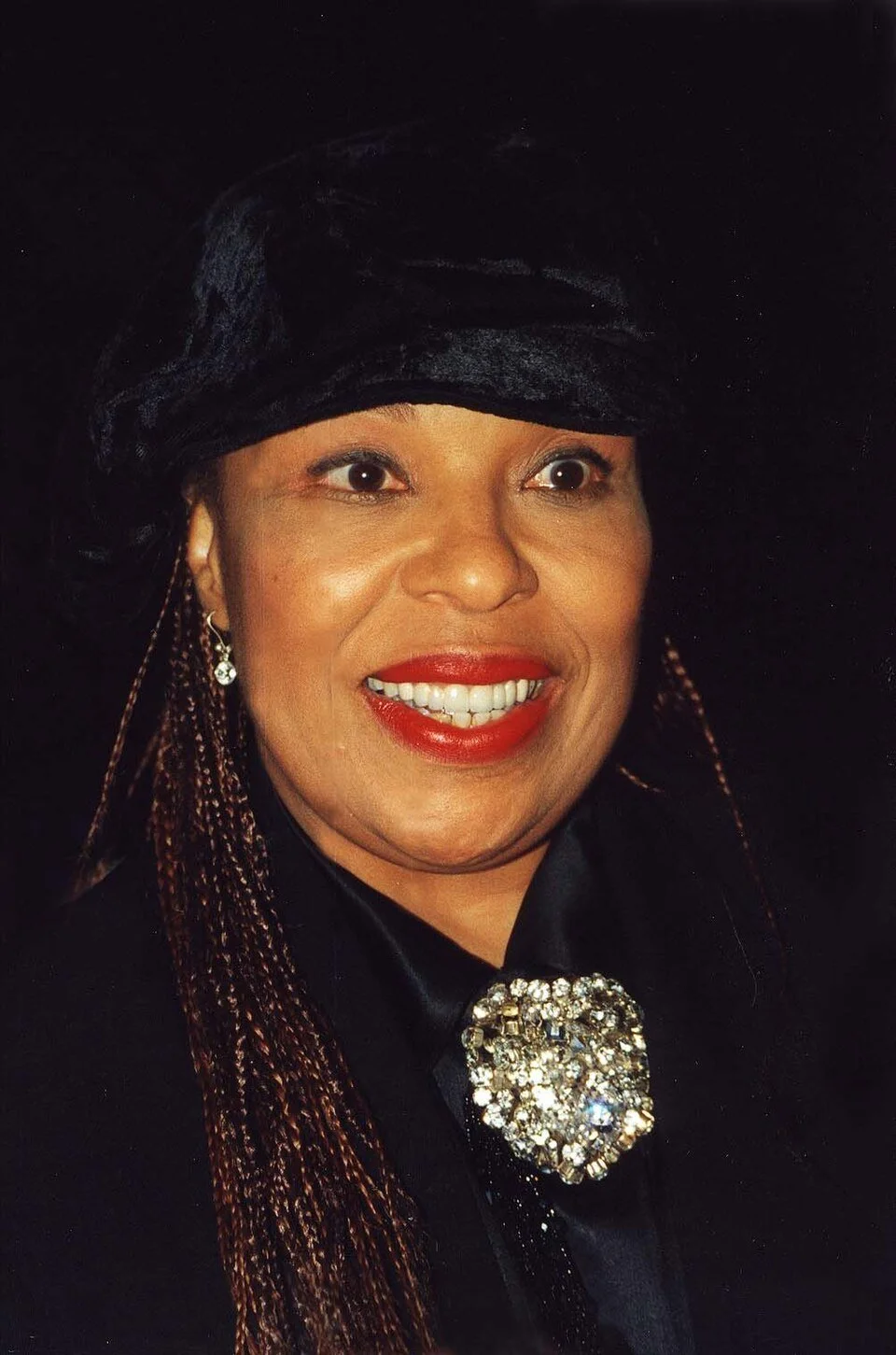
Image: Roberta Flack at Baltimore’s M.D. Meyerhoff Theater in 1995. Photo by John Mathew Smith, via Wikimedia Commons. Licensed under CC BY-SA 2.0.
From the early ’70s to the final Montreux appearance
The real attraction here is the timespan. Flack first appeared at Montreux in June 1971, when she was still in the early stages of the career that would soon make her a household name. The collection then jumps forward through 1972, 1990, 2005 and finally 2008.
That makes The Montreux Years more than a straightforward greatest-hits package. It is effectively a live career snapshot, showing how Flack’s interpretation of a song could evolve across decades while retaining the qualities that made her performances so distinctive.
The tracklist moves between familiar classics and less obvious choices. There is the hushed grandeur of “The First Time Ever I Saw Your Face”, captured at the Auditorium Stravinski in 2005, alongside “Killing Me Softly With His Song”, “Feel Like Makin’ Love” and “Mercy Mercy Me.” Earlier Montreux recordings include “To Love Somebody” from 1971 and “Suzanne” and “Somewhere” from 1972.
And then there is the 1990 material: “I’d Like To Be Baby To You,” “More Than You’ll Ever Know” and “Always.” The first of those has been singled out as an early taste of the collection, offering a glimpse of Flack in a different era but still operating with that trademark control and warmth.
A voice built for the live setting
Flack’s reputation was never based simply on vocal fireworks. Classically trained as a pianist and educated at Howard University, she developed a style in which restraint became a form of power. The Smithsonian has described her music as embracing blues, folk, R&B, jazz, classical and pop influences — a useful description of why her records have always resisted being neatly filed under one genre.
That versatility is particularly revealing on The Montreux Years. Rather than presenting Flack as a museum piece frozen in the early 1970s, the collection allows the listener to hear an artist continuing to reinterpret her musical world well into the 21st century.
The performances were also fully restored and newly mastered by Tony Cousins at London’s Metropolis Studios, with the release accompanied by liner notes from Flack’s longtime manager Suzanne Koga and rare and previously unseen photographs.
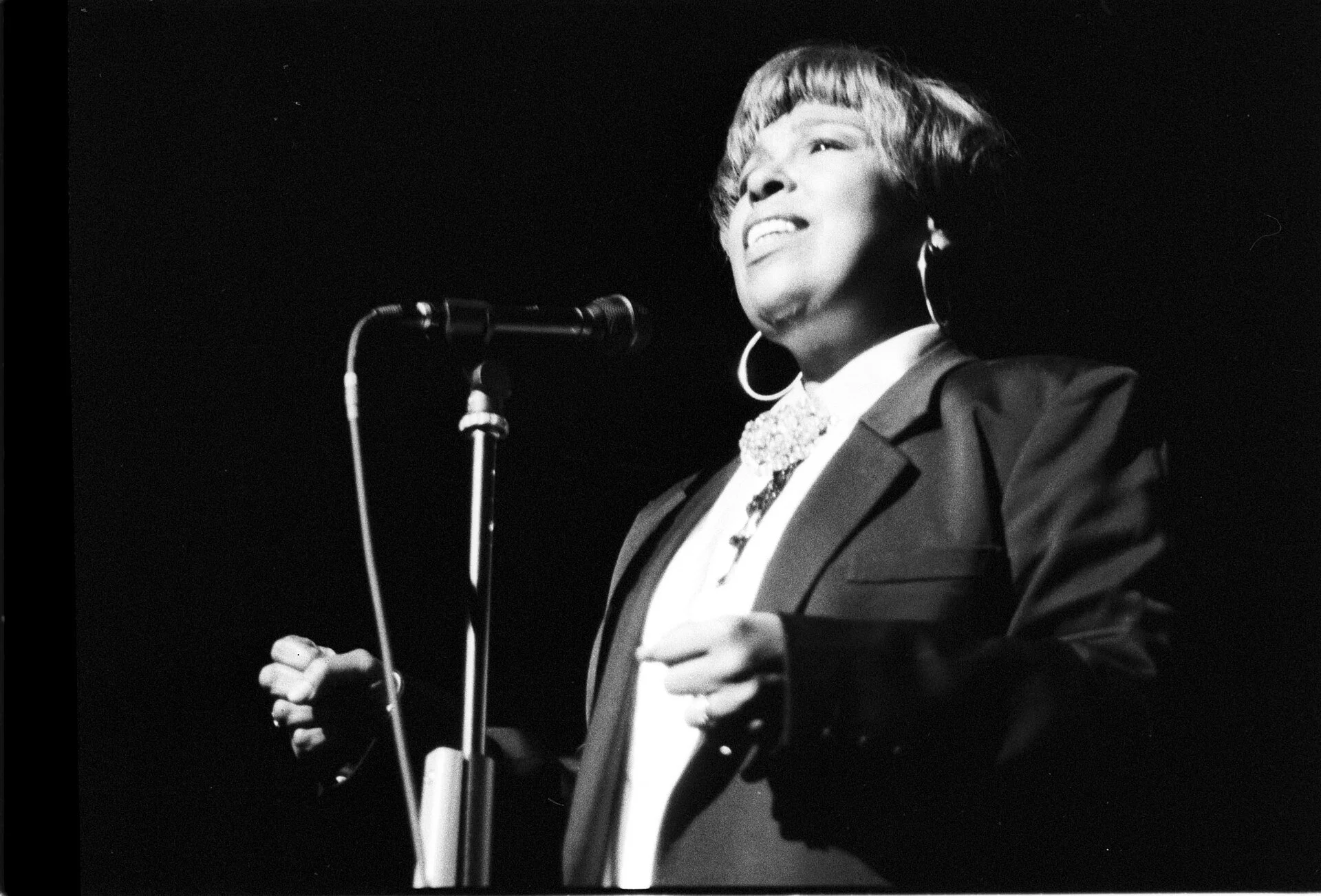
Image: Roberta Flack performing in Deauville, France, July 1992. Photo by Roland Godefroy, via Wikimedia Commons. Licensed under CC BY-SA 3.0.
A fitting addition to Flack’s legacy
Flack died on February 24, 2025, aged 88, leaving behind a catalogue that included four Grammy wins and the distinction of becoming the only solo artist to win consecutive Grammy Awards for Record of the Year — for “The First Time Ever I Saw Your Face” in 1973 and “Killing Me Softly With His Song” in 1974. She was also honoured with the Recording Academy’s Lifetime Achievement Award in 2020.
That makes the arrival of The Montreux Years especially poignant. It isn't simply another archival release designed to fill a gap in a catalogue. Heard together, these recordings trace nearly four decades of an artist who never needed to shout to make an impact.
Montreux gave Roberta Flack a stage; these recordings give listeners the chance to step back into that stage with her. And for anyone who has ever been drawn to the exquisite calm, emotional precision and understated drama of Flack’s music, The Montreux Yearsis a particularly welcome reminder of just how extraordinary that voice could be when the lights went down and the music began.