Comment

On DOMINUM's Night Is Calling: A Wonderfully Over-the-Top Festival of Zombie Metal Madness

Some albums aim for subtlety. DOMINUM's latest offering, Night Is Calling, doesn't even pretend.

Instead, the German zombie-metal outfit throws open the gates to a theatrical horror carnival packed with monstrous riffs, arena-sized choruses, tongue-in-cheek storytelling and enough undead swagger to raise the dead twice over. It's gloriously overblown—and that's precisely why it works.

Formed in Nuremberg by vocalist and producer Dr. Dead (Felix Heldt) in 2022, DOMINUM have rapidly carved out a niche by combining melodic power metal with horror aesthetics, theatrical stagecraft and an unapologetic love of catchy hooks. Think somewhere between the theatrical spectacle of Ghost and the anthemic bombast of modern European power metal, all wrapped in a zombie apocalypse narrative. Their rise has been equally impressive, with 2024's The Dead Don't Die breaking into the German Top 10 before the band embarked on major European tours and festival appearances.

Released through Napalm Records on 3 July 2026, Night Is Calling feels like the logical next chapter in DOMINUM's undead universe. Right from explosive opener "The Circus Is In Town", the album embraces its horror-carnival concept with infectious enthusiasm, before charging through memorable cuts like "Doctor Doctor", "Children of the Night", "Dark Melodies", and the soaring title track featuring Marina La Torraca. Even a full-blooded cover of Michael Jackson's "Thriller" somehow fits perfectly into the band's gleefully macabre world.

Image credit: "Dominum Rockharz 2024 09.jpg" by S. Bollmann, via Wikimedia Commons. Licensed under Creative Commons.

The real triumph here is the balance between heaviness and accessibility. Yes, there are chunky riffs, pounding drums and plenty of metallic muscle, but DOMINUM clearly understand that memorable choruses win hearts. Nearly every track arrives with a hook that demands to be shouted back by festival crowds, making Night Is Calling feel tailor-made for massive live singalongs.

Production is equally polished. Produced by Felix Heldt and mixed by the ever-reliable Jacob Hansen, the record sounds enormous without sacrificing clarity. Every orchestral flourish, guitar lead and vocal melody has room to breathe, adding cinematic scale to the band's already theatrical presentation.

What makes DOMINUM especially refreshing is that they never seem embarrassed by having fun. In an era where so much metal strives for crushing seriousness, the band lean headfirst into horror movie camp, comic-book storytelling and larger-than-life spectacle. It's theatrical, it's knowingly cheesy, and it's impossible not to smile along with.

Ultimately, Night Is Calling isn't trying to reinvent heavy metal. Instead, it reminds us why we fell in love with the genre in the first place: unforgettable choruses, outrageous concepts, fist-pumping energy and enough theatrical excess to make every song feel like the grand finale.

DOMINUM may be singing from beyond the grave, but judging by Night Is Calling, the future of this undead metal collective has never looked more alive.
Comment

Comment

On "Where Rivers Meet": Two Generations of Jazz Converge: Your Brother's Keeper and Gary Bartz Unite

Where Rivers Meet, the new collaborative album from London collective Your Brother's Keeper and legendary saxophonist Gary Bartz, brings together one of spiritual jazz's most enduring voices with one of the UK's most exciting emerging ensembles.

Released on 19 June 2026 via Brownswood Recordings as part of the label's 20th anniversary celebrations, the seven-track record is far more than a meeting of generations—it's a conversation between musical traditions, built on trust, improvisation and fearless exploration.

Gary Bartz – Still Pushing Forward

For more than five decades, Gary Bartz has remained one of jazz's most influential saxophonists. After performing with giants including Charles Mingus, Max Roach, Art Blakey, McCoy Tyner, and later joining Miles Davis during the groundbreaking electric period of the early 1970s, Bartz became one of the defining voices of spiritual jazz through his celebrated NTU Troop recordings.

Rather than simply revisiting familiar territory, Where Rivers Meet finds Bartz continuing to evolve. His unmistakable alto saxophone is placed within a modern sonic landscape that blends acoustic instrumentation with modular synthesis and electronics, creating music that feels simultaneously timeless and completely contemporary.

The chemistry is immediate, with Bartz sounding every bit as adventurous as the younger musicians surrounding him.

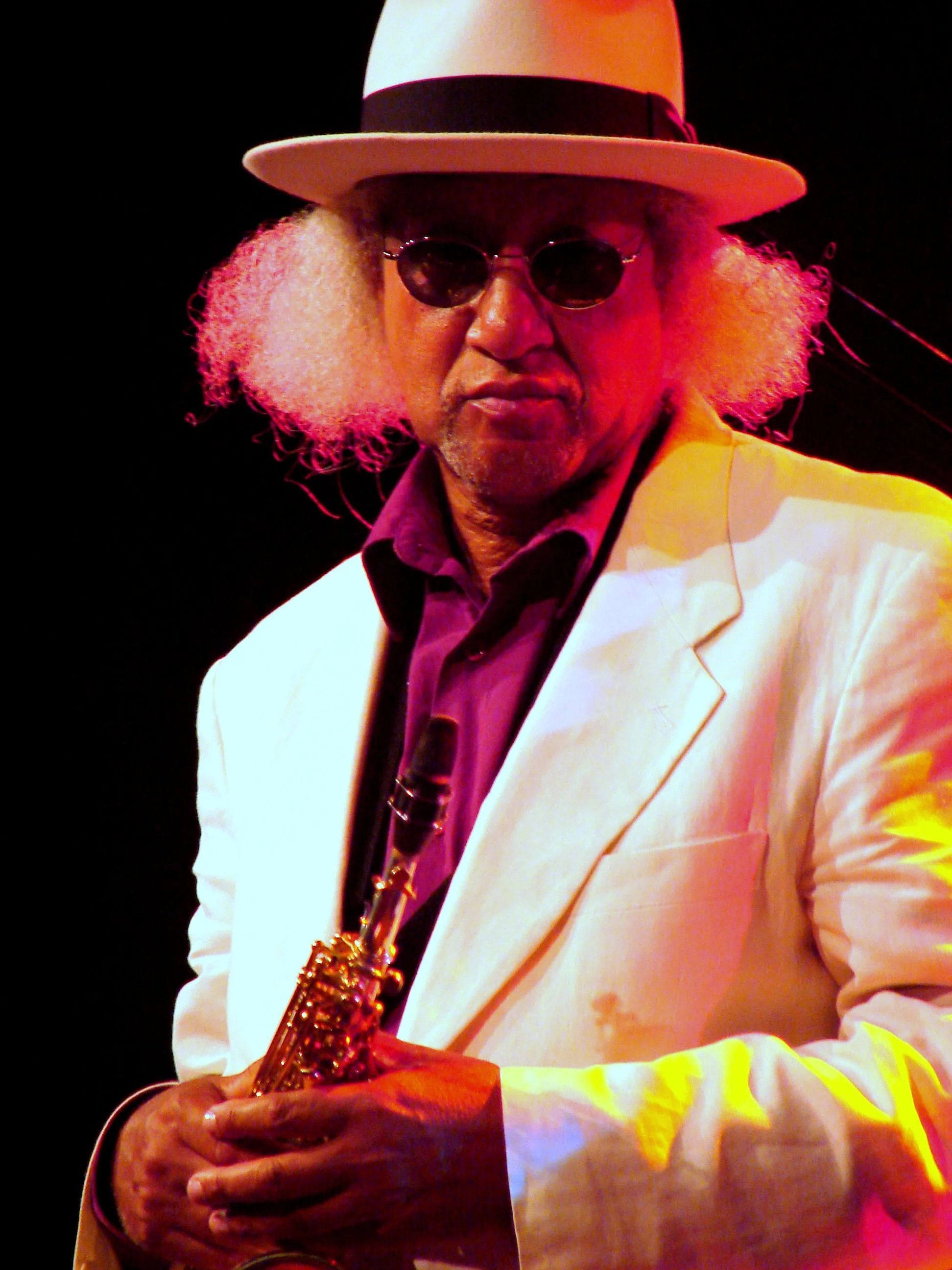
Photo: Bob Travis / Wikimedia Commons.
Licensed under Creative Commons Attribution-ShareAlike 2.0 (CC BY-SA 2.0)

A New Chapter for London's Jazz Scene

Your Brother's Keeper is a newly assembled London collective led by drummer and producer Jake Long, best known for his work with Maisha. The group also features Ali MacSween, Axel Kaner-Lidstrom, Twm Dylan, Tim Doyle, and Chelsea Carmichael—musicians who have each become important contributors to the thriving UK jazz movement.

While the album may appear to pair established legend with rising stars, Where Rivers Meet never feels like a mentor-and-students project. Instead, every performance unfolds organically, driven by collective improvisation and deep listening. Bartz becomes another voice within the ensemble rather than its sole focal point, allowing ideas to develop naturally across expansive compositions.

An Album That Lives in the Moment

Opening with "Cauldron", the record establishes its expansive mood immediately before flowing through pieces including "Ground Loop," "Eclipse," "Solar Flare," "Locris," "Petrichor," and concluding with the meditative "Mantra."

Throughout its 41-minute running time, Where Rivers Meet avoids obvious solos-for-the-sake-of-solos. Instead, textures slowly evolve, rhythms breathe naturally, and melodies emerge almost by instinct. Electronics are used with restraint, complementing rather than overshadowing the acoustic interplay.

The result is an album that honours jazz's history without becoming nostalgic. Instead of looking backwards, it demonstrates how different generations of musicians can create something genuinely new when hierarchy is replaced by collaboration.

For longtime followers of Gary Bartz, it's another remarkable chapter in an extraordinary career. For those discovering Your Brother's Keeper, it serves as a compelling introduction to a collective whose future already looks incredibly promising.

If Where Rivers Meet proves anything, it's that jazz remains at its most exciting when experience meets curiosity—and both sides are willing to listen.

Comment

Comment

Witchsorrow Conjure One of 2026's Essential Doom Records with The Devil and All His Works

For over two decades, Hampshire's Witchsorrow have quietly built a reputation as one of Britain's most uncompromising traditional doom metal bands. Never chasing trends and never softening their sound, the trio have consistently embraced crushing riffs, occult atmosphere and the slow-burning heaviness that defines classic doom. After an eight-year wait since Hexenhammer, they've returned with what may well be their strongest statement yet: The Devil and All His Works.

Released through Church Road Records on 3 July 2026, the album immediately feels like the work of a band completely comfortable in their own darkness. Rather than reinventing themselves, Witchsorrow refine everything that has made them such a respected name in modern doom, while allowing a richer psychedelic edge to seep into the music.

Opening with the mammoth eleven-minute "Omnia Finiuntur," the album wastes no time pulling listeners into its suffocating atmosphere. Thick, lumbering riffs move with absolute confidence, while Nick Ruskell's unmistakable vocals sound more ritualistic than ever. Every note feels deliberate, every pause calculated to maximise tension.

Tracks like "Bacchus" and "Hades Chains" demonstrate just how expansive Witchsorrow have become. The latter even features guest vocals from Serena Cherry of Svalbard, adding another layer of menace to one of the album's standout moments. Throughout the record, there's a subtle psychedelic undercurrent that keeps the songs evolving without sacrificing the crushing weight that fans expect.

What makes The Devil and All His Works particularly impressive is its patience. In an era where many heavy bands chase instant gratification, Witchsorrow remain committed to the long game. Songs breathe naturally, riffs unfold gradually, and the oppressive atmosphere grows heavier with every passing minute. It's an album designed to be experienced from beginning to end rather than cherry-picked for individual tracks.

The record also marks the final studio appearance of longtime drummer David "Wilbrahammer" Wilbraham before his departure from the band, making the album feel even more significant within Witchsorrow's catalogue. His powerful, measured drumming provides the perfect foundation beneath the band's immense walls of guitar and bass.

Fans of Black Sabbath, Saint Vitus, Candlemass and Electric Wizard will naturally find plenty to admire here, but reducing Witchsorrow to simple influences would be doing them a disservice. By this stage in their career, they've carved out an identity entirely their own—one built on authentic devotion to doom rather than nostalgia.

The production deserves special praise, striking a fine balance between vintage warmth and modern clarity. Every instrument has room to breathe, allowing the album's colossal riffs to retain both weight and definition without descending into murk. The result is an immersive listening experience that rewards repeat plays, with fresh details revealing themselves each time the needle drops.

For doom metal devotees, The Devil and All His Works is more than just another solid release—it's one of the defining records the genre has produced in 2026. Witchsorrow haven't merely returned; they've delivered a masterclass in atmosphere, patience and crushing heaviness that reminds everyone why true doom remains such a powerful force.

Slow, sinister and utterly spellbinding, The Devil and All His Works stands as one of this year's finest occult doom albums—and one that deserves a place in every serious metal fan's collection.

Comment

Comment

Welcoming A New Dawn: The Timeless Beauty Of Hannah Gill's I Like the Sunrise

Few singers working in contemporary jazz bridge the gap between classic sophistication and modern accessibility quite like Hannah Gill, and her latest album, I Like the Sunrise, is another reminder of why she's become such a respected voice on today's jazz scene.

Released on 19 June 2026, the eleven-track collection sees Gill embracing the rich tradition of the Great American Songbook while bringing her own warmth, elegance and effortless vocal style to every performance. Rather than reinventing these much-loved standards, she leans into their timeless qualities, allowing expressive phrasing and impeccable musicianship to do the talking.

Long-time followers will already know Gill from her acclaimed solo work and her years touring internationally with Postmodern Jukebox, where her vintage-inspired performances introduced her voice to millions of listeners online. Her musical background stretches from original singer-songwriter releases to traditional jazz, making this latest record feel like a natural continuation of an already impressive career.

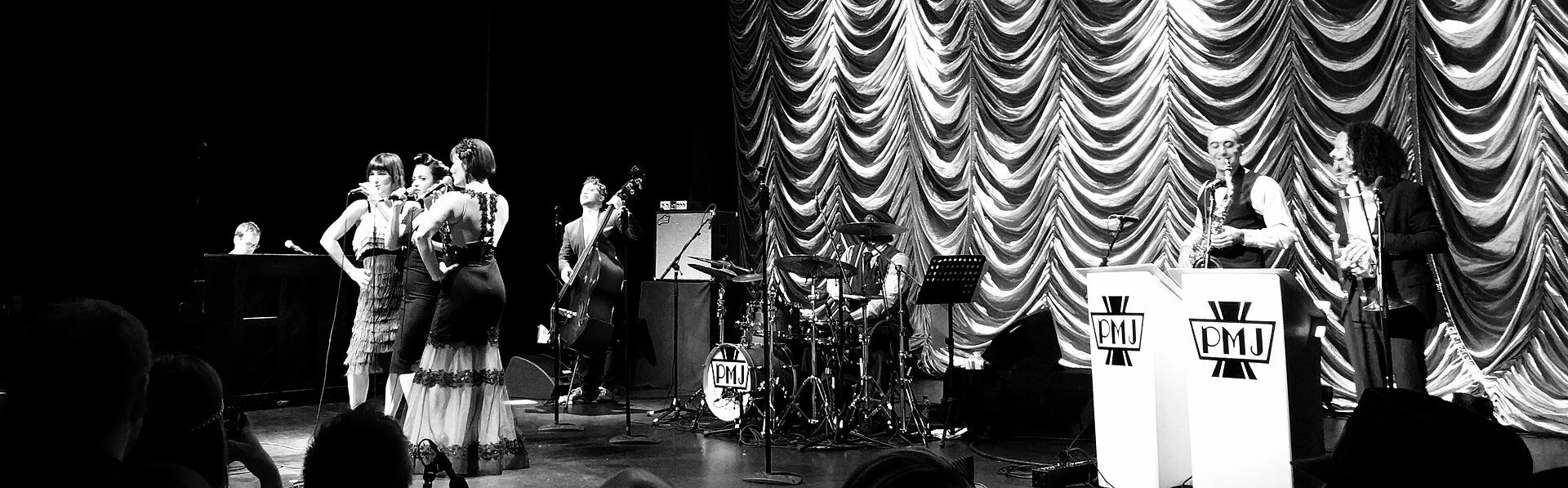
Scott Bradlee's Postmodern Jukebox, by Pasi Välkkynen via Wikimedia Commons. Licensed under CC BY 2.0.

Opening with the title track, I Like the Sunrise immediately establishes the album's relaxed, intimate atmosphere. Elsewhere, interpretations of classics including Azure, Take Love Easy, Do Nothing till You Hear from Me, Azalea and Love You Madly showcase Gill's ability to balance technical precision with genuine emotional connection. The arrangements favour subtlety over spectacle, allowing each melody room to breathe while highlighting the chemistry between vocalist and accompanying musicians.

What makes Gill particularly compelling is her versatility. Equally comfortable performing soulful original material or swing-era standards, she has built a reputation as one of the standout vocalists of the modern jazz revival. Her career has included appearances at prestigious venues around the world while earning praise from major outlets including The New York Times, NPR and Teen Vogue. Even Irish singer-songwriter Hozier publicly praised her interpretation of Take Me To Church, commenting that her "ability is beyond her years."

In an era where many jazz releases chase novelty, I Like the Sunrise succeeds by trusting the enduring power of exceptional songs, tasteful arrangements and a vocalist who understands exactly when to dazzle and when to simply let the music speak.

For jazz enthusiasts, fans of vocal standards and newcomers alike, Hannah Gill's latest release offers a beautifully crafted collection that feels both nostalgic and refreshingly contemporary. It's an album that rewards repeated listening and confirms that classic jazz singing remains as captivating today as ever.

Comment

Comment

Espen Berg Trio Find Beauty in Chaos on Stunning New Album Entropies

Norwegian jazz continues to punch well above its weight, and Espen Berg Trio have once again demonstrated exactly why they're regarded as one of Europe's most compelling contemporary piano trios. Their fifth studio album, Entropies, marks a welcome return after a four-year recording break, delivering a captivating collection that balances meticulous composition with fearless spontaneity.

Released on 5 June 2026 via Svale Records, Entropies finds pianist and composer Espen Berg, alongside bassist Bárður Reinert Poulsen and drummer Simon Albertsen, exploring the fascinating space where structure meets unpredictability. It's an album whose title couldn't be more appropriate.

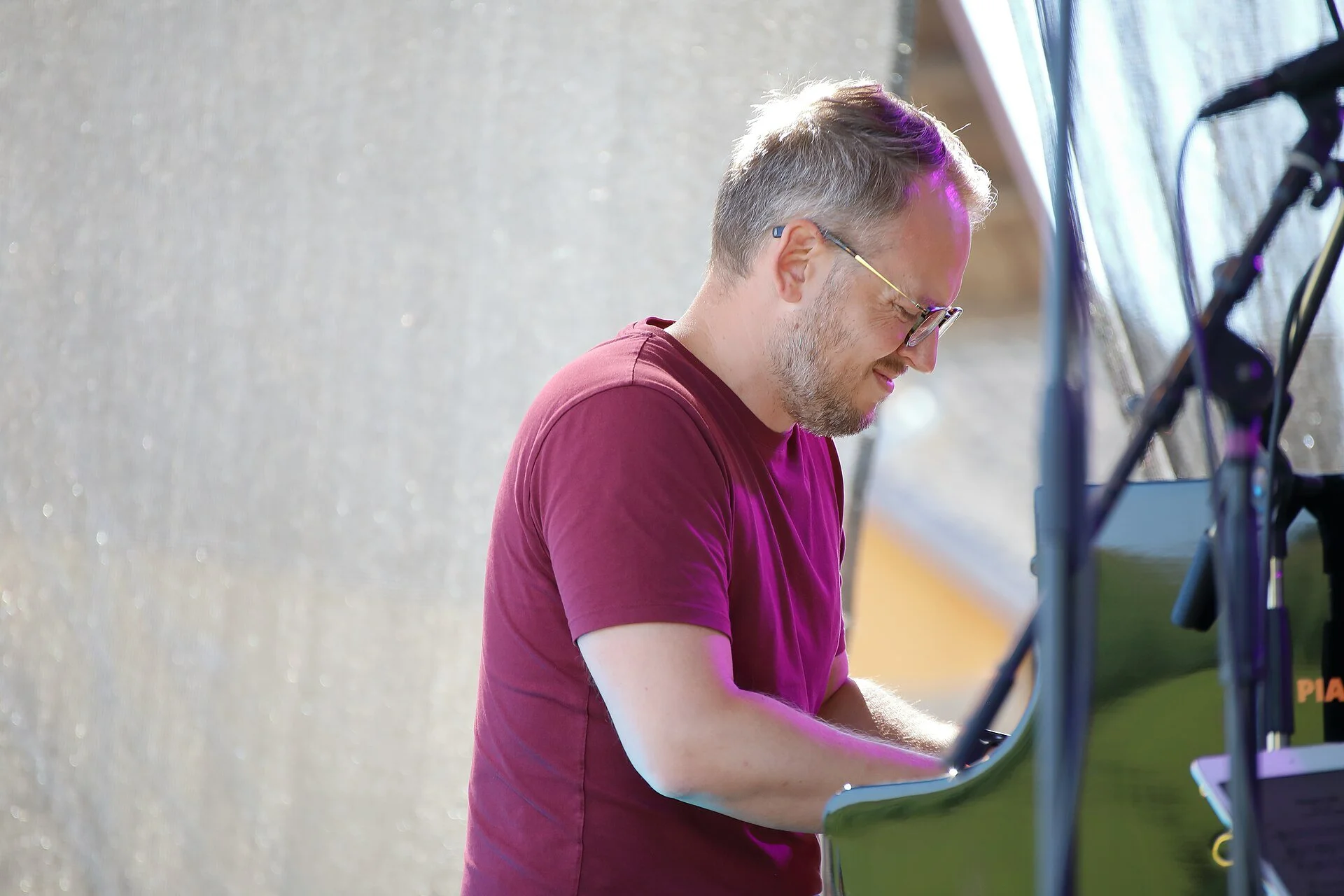
"Espen Berg 01" by Schorle, Wikimedia Commons. Licenced under CC BY-SA 4.0.

For Berg, the concept behind Entropies extends well beyond science. Drawing inspiration from the idea of disorder and unpredictability, the music reflects both the uncertainty of today's world and the exhilarating possibilities that emerge when exceptional musicians trust each other's instincts. Throughout the record, memorable melodies intertwine with spontaneous improvisation and intricate polymetric rhythms, resulting in music that constantly shifts beneath the listener's feet without ever losing its emotional centre.

That adventurous spirit has become something of a trademark for the trio since they first emerged in 2014. Their reputation has steadily grown through acclaimed releases and international touring, with performances spanning Europe, Japan, China and India, while appearances at iconic venues such as London's Ronnie Scott's have cemented their standing as one of modern jazz's most exciting live acts.

The new album also showcases Berg's wide-ranging influences. Alongside original compositions inspired by artists including Craig Taborn, Nik Bärtsch, Keith Jarrett and Brad Mehldau, the trio also offers a striking new interpretation of Sting's classic Russians. Rather than feeling like an outlier, it sits naturally within the album's broader narrative, adding another unexpected colour to an already richly textured musical landscape.

While guest appearances from flautist Flavia Huarachi, cellist Joakim Munkner and guitarist/vocalist Nils Olav Johansen add subtle new textures across selected tracks, Entropies never loses sight of its central identity: three outstanding musicians communicating with remarkable intuition and technical brilliance.

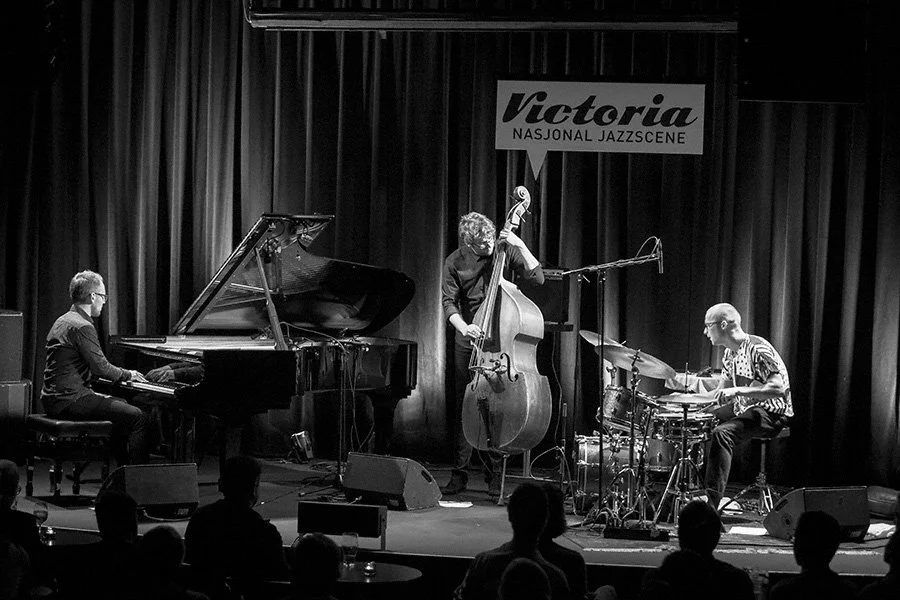
“Espen Berg Trio Victoria Nasjonal Jazzscene (201540)" by Tore Sætre, Wikimedia Commons. Licenced by CC BY-SA 4.0.

Clocking in at just over 44 minutes, the nine-track collection flows like a carefully crafted suite, moving effortlessly between moments of lyrical beauty, rhythmic complexity and explosive improvisational energy. It's music that rewards repeat listening, revealing fresh details and hidden conversations every time the needle drops.

With Entropies, Espen Berg Trio haven't simply returned—they've reaffirmed why they're considered one of the leading voices in contemporary European jazz. Intelligent without becoming inaccessible, technically astonishing without sacrificing emotion, and endlessly inventive without losing its melodic appeal, this is another major statement from a trio operating at the very top of their game.

For jazz fans seeking adventurous modern music that continues to push the piano trio format forward, Entropies is essential listening.

Comment