
Norwegian jazz continues to punch well above its weight, and Espen Berg Trio have once again demonstrated exactly why they're regarded as one of Europe's most compelling contemporary piano trios. Their fifth studio album, Entropies, marks a welcome return after a four-year recording break, delivering a captivating collection that balances meticulous composition with fearless spontaneity.
Released on 5 June 2026 via Svale Records, Entropies finds pianist and composer Espen Berg, alongside bassist Bárður Reinert Poulsen and drummer Simon Albertsen, exploring the fascinating space where structure meets unpredictability. It's an album whose title couldn't be more appropriate.
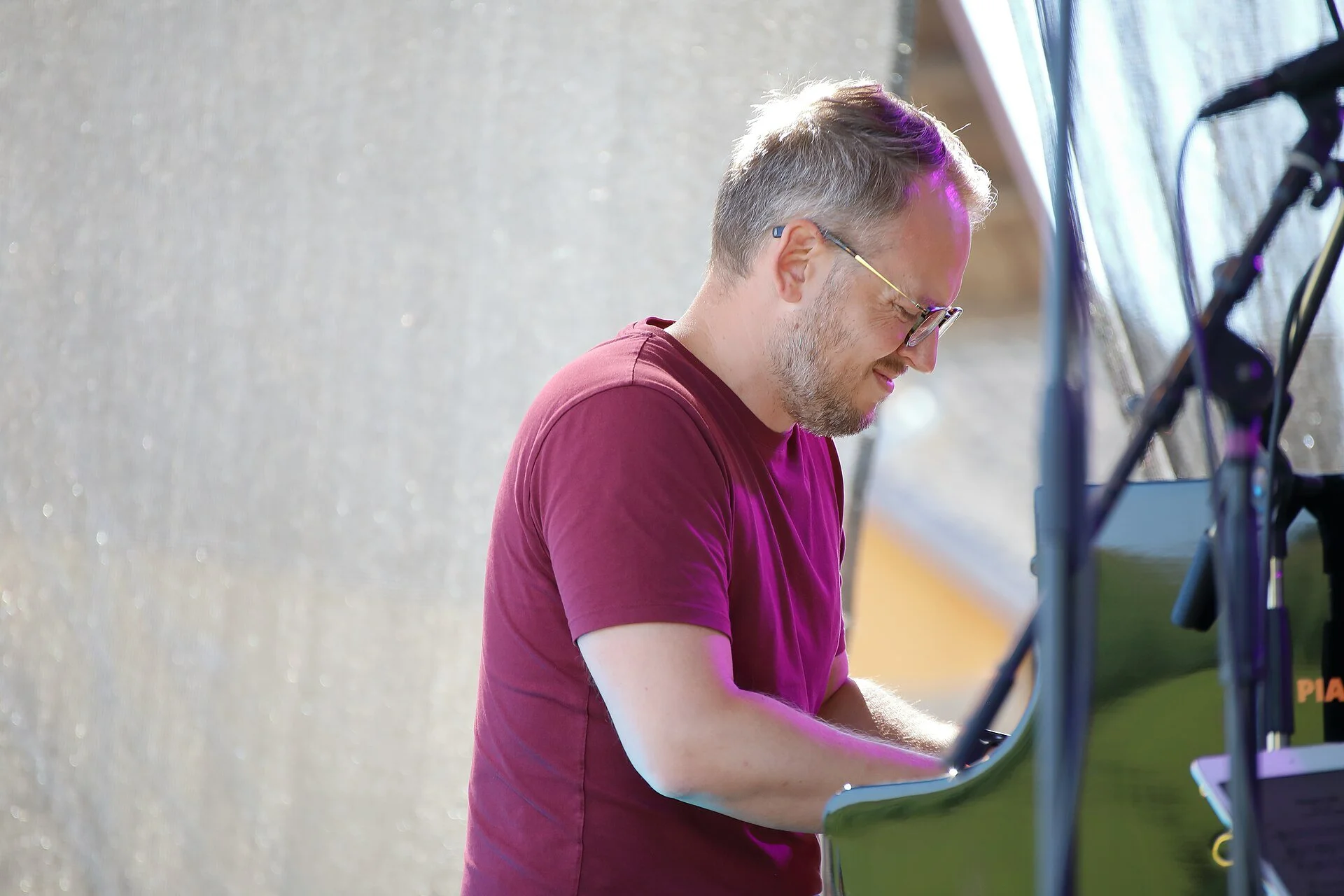
"Espen Berg 01" by Schorle, Wikimedia Commons. Licenced under CC BY-SA 4.0.
For Berg, the concept behind Entropies extends well beyond science. Drawing inspiration from the idea of disorder and unpredictability, the music reflects both the uncertainty of today's world and the exhilarating possibilities that emerge when exceptional musicians trust each other's instincts. Throughout the record, memorable melodies intertwine with spontaneous improvisation and intricate polymetric rhythms, resulting in music that constantly shifts beneath the listener's feet without ever losing its emotional centre.
That adventurous spirit has become something of a trademark for the trio since they first emerged in 2014. Their reputation has steadily grown through acclaimed releases and international touring, with performances spanning Europe, Japan, China and India, while appearances at iconic venues such as London's Ronnie Scott's have cemented their standing as one of modern jazz's most exciting live acts.
The new album also showcases Berg's wide-ranging influences. Alongside original compositions inspired by artists including Craig Taborn, Nik Bärtsch, Keith Jarrett and Brad Mehldau, the trio also offers a striking new interpretation of Sting's classic Russians. Rather than feeling like an outlier, it sits naturally within the album's broader narrative, adding another unexpected colour to an already richly textured musical landscape.
While guest appearances from flautist Flavia Huarachi, cellist Joakim Munkner and guitarist/vocalist Nils Olav Johansen add subtle new textures across selected tracks, Entropies never loses sight of its central identity: three outstanding musicians communicating with remarkable intuition and technical brilliance.

“Espen Berg Trio Victoria Nasjonal Jazzscene (201540)" by Tore Sætre, Wikimedia Commons. Licenced by CC BY-SA 4.0.
Clocking in at just over 44 minutes, the nine-track collection flows like a carefully crafted suite, moving effortlessly between moments of lyrical beauty, rhythmic complexity and explosive improvisational energy. It's music that rewards repeat listening, revealing fresh details and hidden conversations every time the needle drops.
With Entropies, Espen Berg Trio haven't simply returned—they've reaffirmed why they're considered one of the leading voices in contemporary European jazz. Intelligent without becoming inaccessible, technically astonishing without sacrificing emotion, and endlessly inventive without losing its melodic appeal, this is another major statement from a trio operating at the very top of their game.
For jazz fans seeking adventurous modern music that continues to push the piano trio format forward, Entropies is essential listening.