Comment

Emmet Cohen Reaches for Something Bigger on Universal Truth

There’s a particular electricity surrounding Emmet Cohen right now — the kind that only appears when a jazz artist stops simply revisiting tradition and starts expanding it. On his forthcoming album Universal Truth, Cohen doesn’t just salute the giants of the past; he steps directly into conversation with them.

Set for release on May 29 through Mack Avenue Records, Universal Truth arrives during the centennial year celebrations of both Miles Davis and John Coltrane, and the influence of those towering figures runs deep through the project. But this is no museum-piece tribute album. Cohen’s approach feels alive, urgent and modern — rooted in hard-swinging classicism while still reaching toward something spiritual and exploratory.

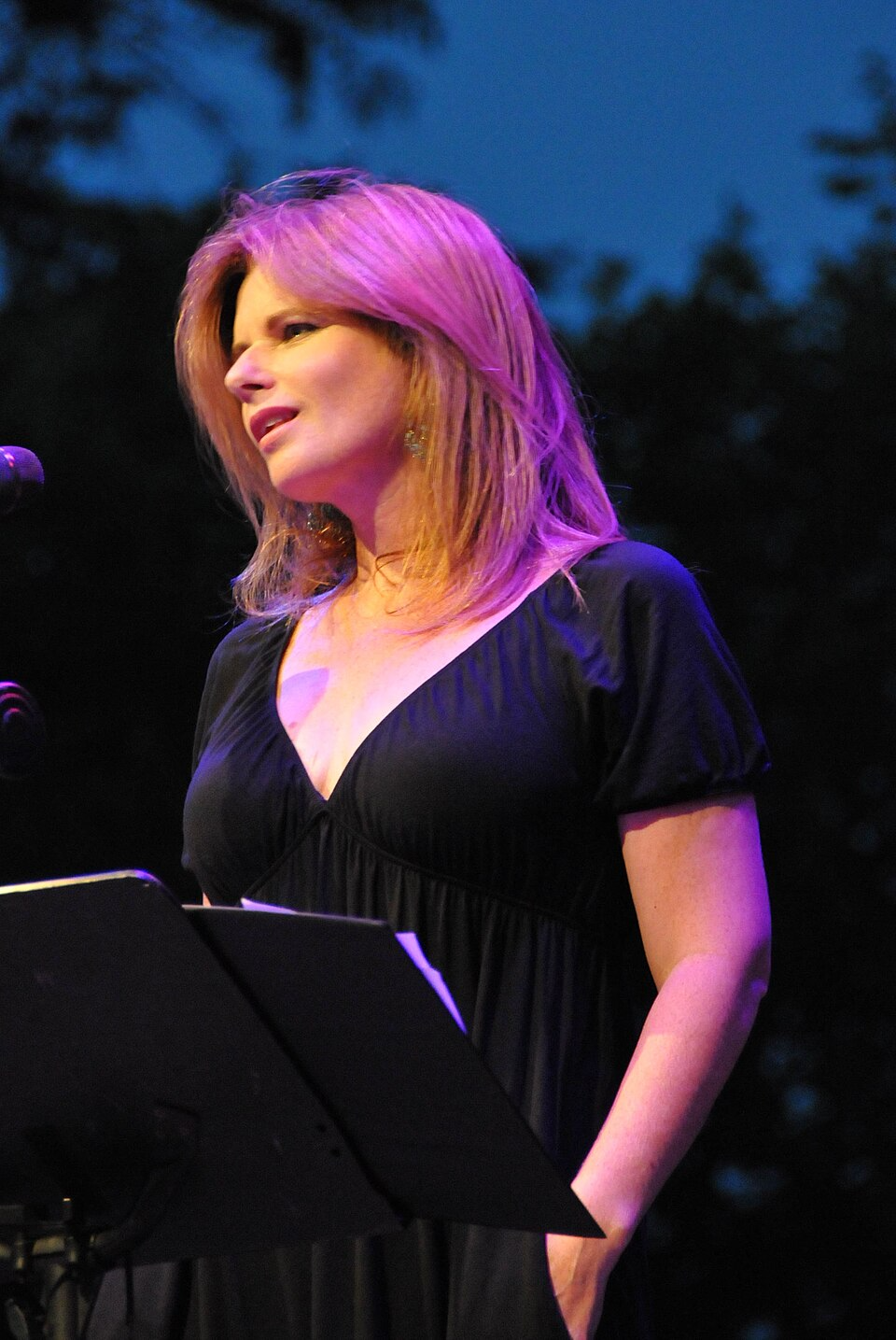
Photo by Jimmy Baikovicius / Wikimedia Commons. Creative Commons Attribution-ShareAlike 2.0 (CC BY-SA 2.0)

Anyone familiar with Cohen’s wildly successful Live From Emmet’s Place sessions already knows his greatest strength: connection. Whether he’s channeling bebop fire or easing into a ballad, his playing carries warmth and spontaneity that make even the most technically dazzling moments feel human. That same spirit appears to drive Universal Truth.

The album mixes revered jazz standards like “Well You Needn’t,” “My Funny Valentine,” and “Blue Train” with original material, including the ambitious three-part “Universal Truth Suite.” Early previews suggest the suite could become one of Cohen’s defining compositional statements — expansive, emotional and deeply personal without losing the rhythmic snap that has made him one of contemporary jazz’s most exciting pianists.

And the personnel? Absolutely stacked.

Cohen is joined by drummer Joe Farnsworth, bassist Yasushi Nakamura, trumpeter Jeremy Pelt and saxophonist Tivon Pennicott, while jazz royalty Ron Carter and George Coleman also make guest appearances. That lineup alone tells you this record is operating on a serious level.

What makes the project especially compelling is its balance between reverence and forward momentum. Cohen clearly understands the architecture of classic jazz, but he refuses to freeze it in time. There’s a cinematic quality to the way the album has been described — less like a history lesson and more like a continuation of an unfinished conversation started decades ago by Davis and Coltrane themselves.
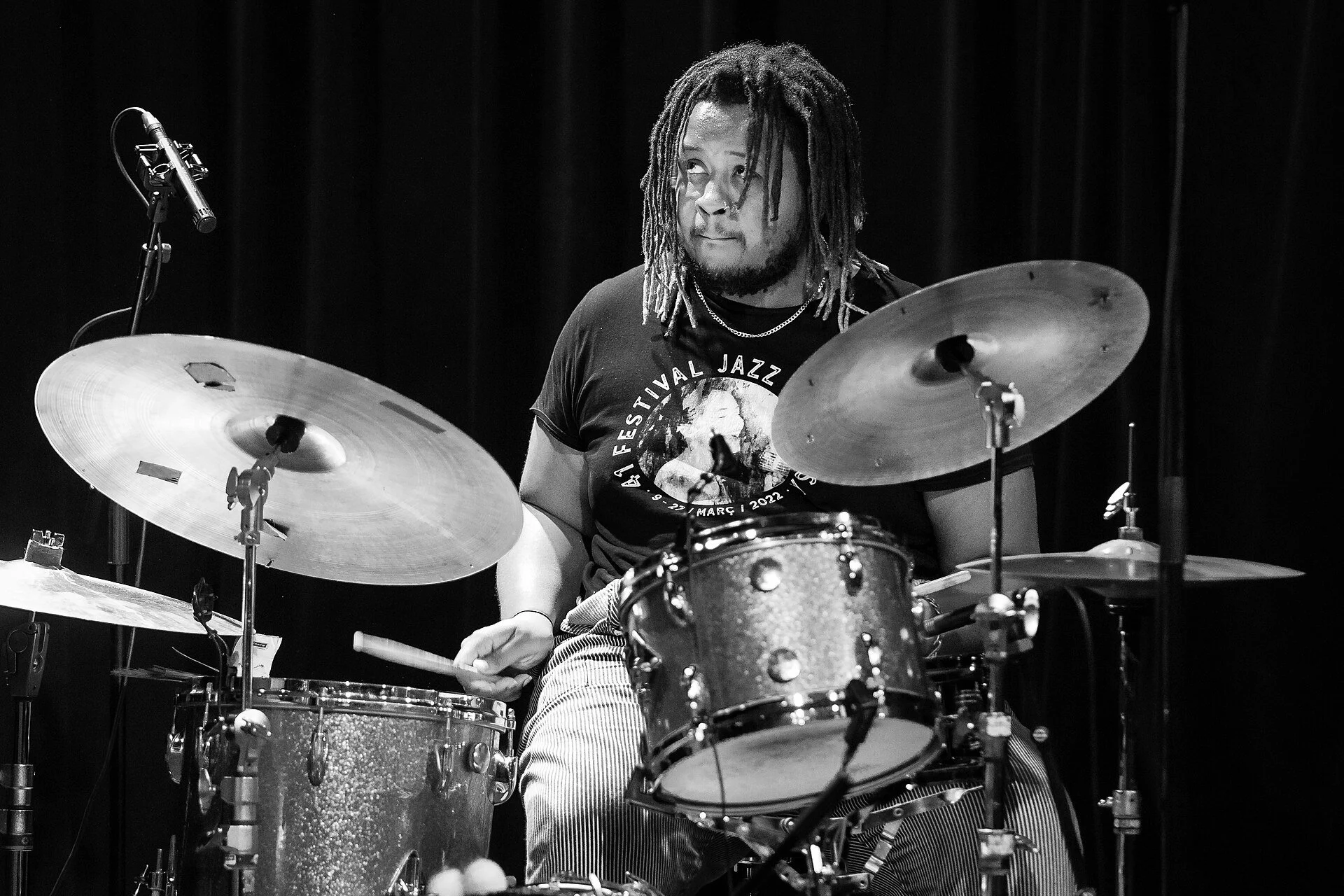
Kyle Poole on drums with Emmet Cohen Trio at Victoria Teater, Oslo, 12 August 2024. Photo by Tore Sætre / Wikimedia Commons. Creative Commons Attribution-ShareAlike 4.0 (CC BY-SA 4.0)

Cohen’s rise over the past few years has felt both organic and unstoppable. Named DownBeat’s 2025 Pianist of the Year, he has steadily built a reputation as one of jazz’s most compelling bridge-builders — equally capable of thrilling longtime purists and drawing younger audiences into the genre.

If the early buzz is anything to go by, Universal Truth may be the album that fully cements that status.

At a moment when jazz is increasingly fractured into scenes, styles and algorithms, Cohen seems focused on something refreshingly ambitious: bringing the emotional core of the music back into focus. And judging from the scope, musicianship and sheer conviction behind this record, he may have done exactly that.
Comment

Comment

A Reimagining Of Rush: On The Tribute David Sanderson

Progressive rock and solo piano might not seem like obvious musical companions at first glance, but pianist David Sanderson is proving otherwise with a bold and deeply atmospheric tribute to legendary Canadian prog-rock icons Rush. His newly released solo piano interpretations breathe fresh life into the band’s famously intricate catalogue, transforming towering rock epics into elegant, emotionally resonant piano works without losing the ambition and spirit that made Rush such a beloved force in rock history.

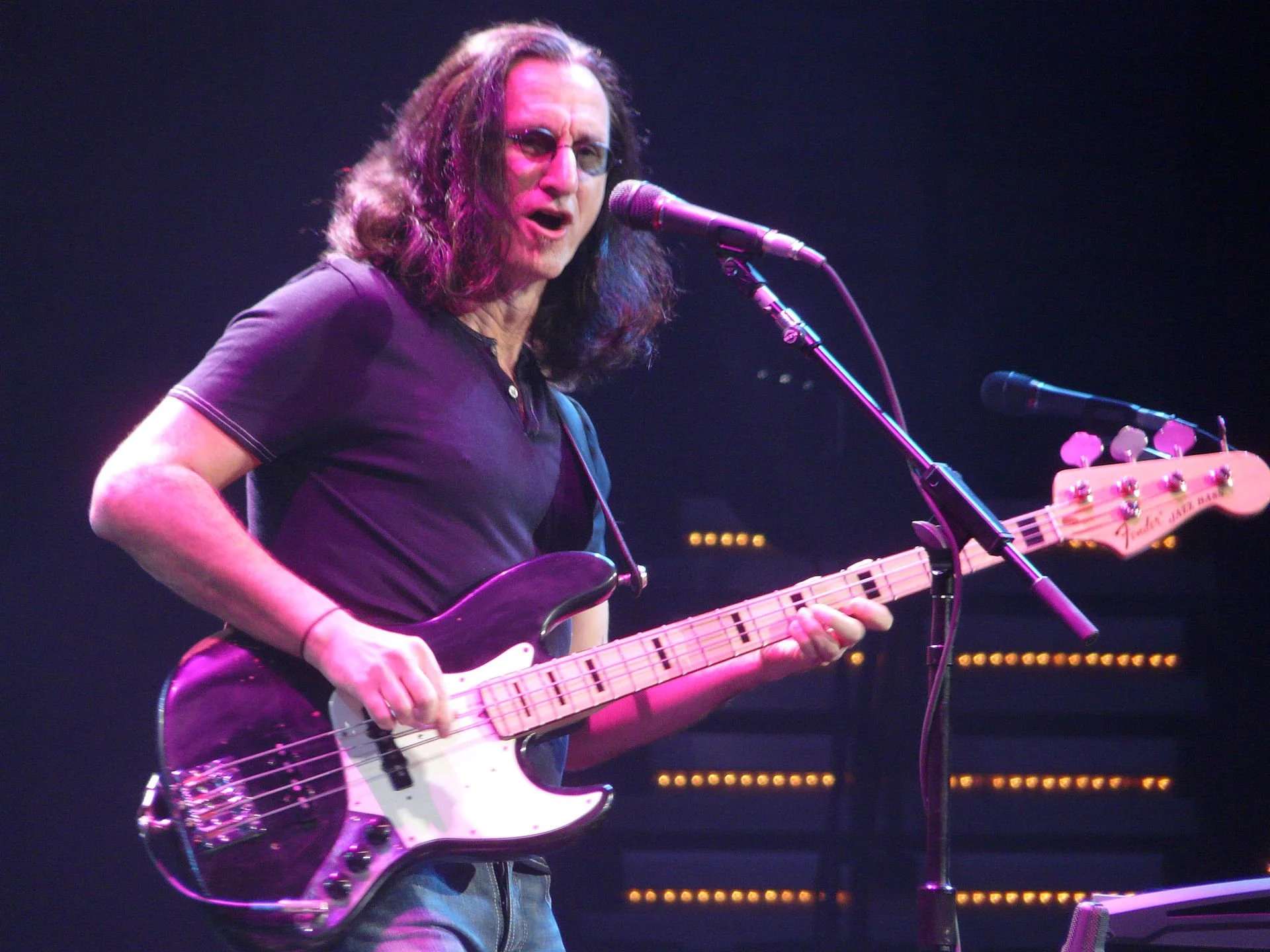
For decades, Rush built a reputation on technical precision, conceptual songwriting, and fearless experimentation. The trio — featuring bassist and vocalist Geddy Lee, guitarist Alex Lifeson, and late drummer Neil Peart — became one of progressive rock’s defining acts after forming in Toronto in 1968. Sanderson’s tribute taps directly into that legacy, stripping away walls of amplifiers and synthesizers in favour of a single piano while somehow preserving the grandeur fans expect from classics like “Tom Sawyer,” “Xanadu,” and “Closer to the Heart.”

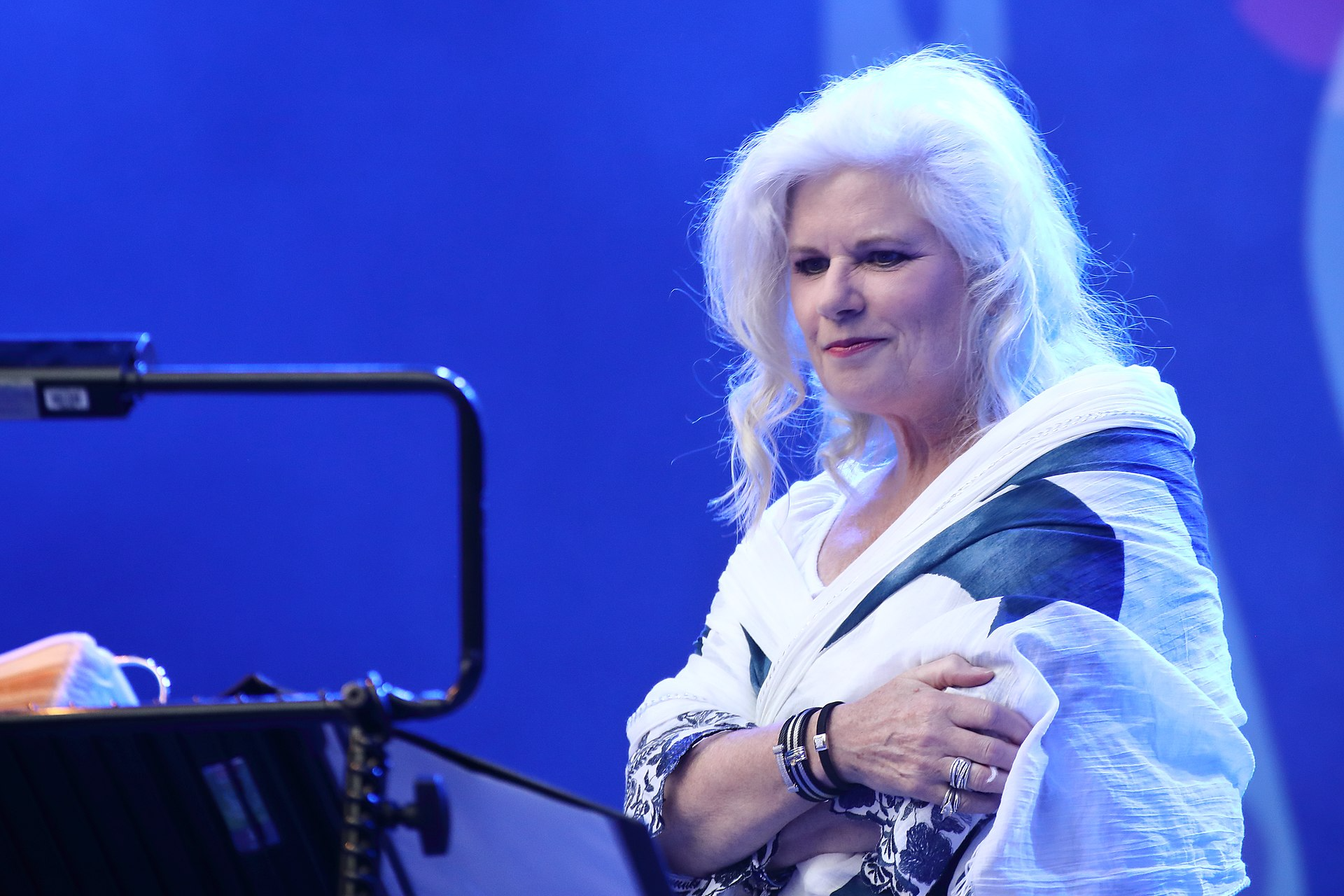
Photo by Matt Becker / Wikimedia Commons — Licensed under Creative Commons Attribution 3.0 (CC BY 3.0).

What makes the project especially compelling is how naturally Rush’s compositions lend themselves to reinterpretation. Beneath the complex time signatures and virtuosic performances has always been strong melodic architecture — something Sanderson clearly understands. Rather than simply recreating familiar riffs note-for-note, he leans into the emotional undercurrents of the music, revealing textures and harmonies that can sometimes sit hidden beneath the original band arrangements.

Early reactions from Rush fans online have been notably enthusiastic. Listeners on Reddit have praised the arrangements for highlighting overlooked details in the band’s songwriting, with several fans commenting on how the piano versions reveal entirely new dimensions within Rush’s compositions. For a band whose music has often been associated with complexity and bombast, that kind of response speaks volumes.

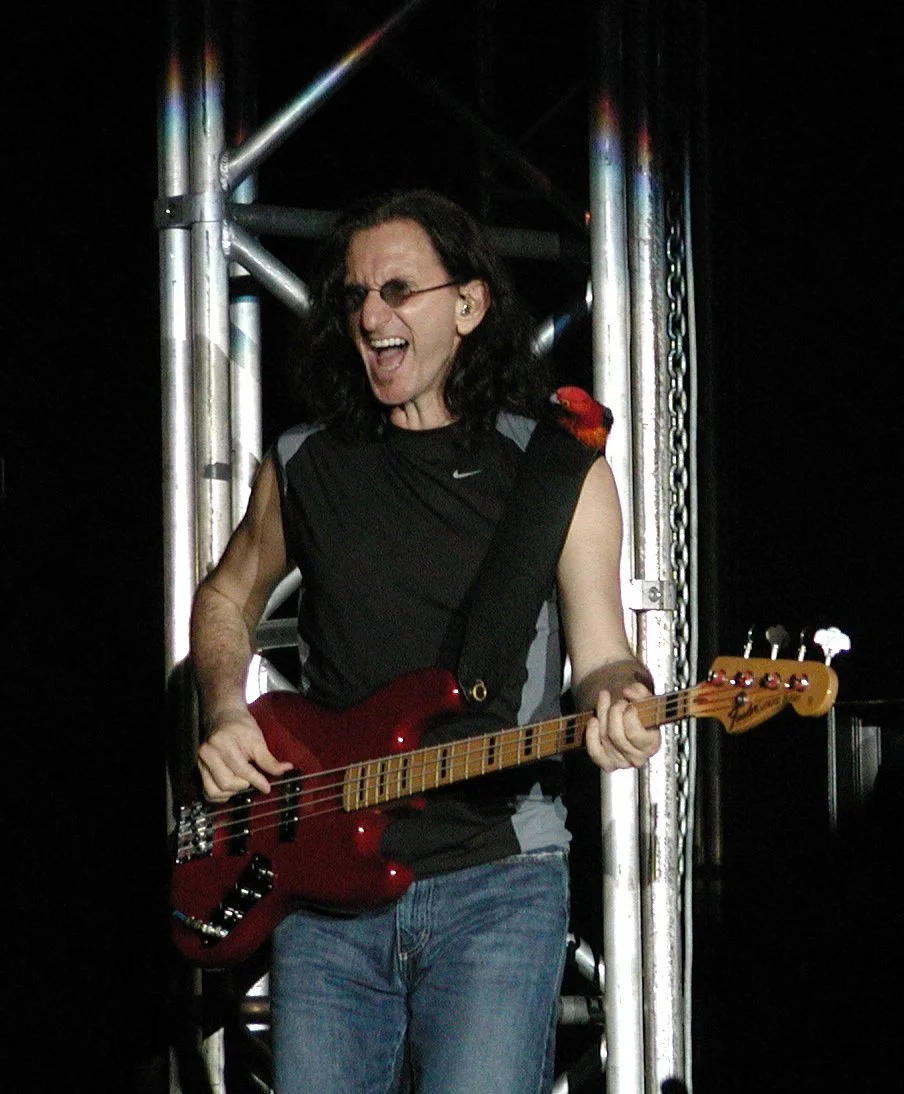
And perhaps that’s the real success of Sanderson’s tribute: it doesn’t feel like novelty. It feels reverent, carefully crafted, and genuinely musical. There’s an intimacy to hearing these songs interpreted through solo piano — especially material originally driven by Neil Peart’s explosive percussion and Geddy Lee’s unmistakable bass work. Instead of trying to compete with the originals, Sanderson reframes them.

Photo by Enrico Frangi / Wikimedia Commons — Released into the public domain.

Rush’s influence continues to stretch far beyond traditional rock circles, and projects like this underline why. Their music was always more compositional than conventional, filled with movements, dynamics, and cinematic shifts that naturally invite reinterpretation. Sanderson’s piano tribute doesn’t just honour Rush — it reminds listeners how sophisticated and enduring the band’s songwriting really was.

For longtime Rush devotees, it offers a fresh perspective on familiar masterpieces. For newcomers, it may even serve as an unexpected gateway into one of rock’s most celebrated catalogues. Either way, David Sanderson has managed something rare: a tribute album that stands confidently as its own artistic statement while paying heartfelt respect to prog-rock royalty.

Comment

Comment

Leïla Martial’s “Jubilä 432”: A Vocal Odyssey Where Chaos Becomes Composition

The French vocal innovator Leïla Martial returns with a striking new album that resists easy categorisation. Titled Jubilä 432, the record expands her already elastic approach to voice, improvisation, and theatrical performance—blending jazz lineage with avant-garde experimentation, sound collage, and emotional storytelling.

Released in April 2026 via Full Rhizome, the album is positioned less as a conventional jazz release and more as a conceptual universe built around a character named Jubilä, a shape-shifting persona who moves through languages, timbres, and emotional states like a performer inhabiting multiple selves at once .

A Voice That Refuses to Sit Still

Martial has long been known for treating the voice as an entire orchestra. Across her previous works—especially Baabeland Warm Canto—she has explored extended vocal techniques, imaginary languages, and theatrical expression. Jubilä 432 pushes that philosophy even further.

The album’s structure is deliberately fluid. Tracks such as “Malia,” “Andante,” “Might Be,” and “La rencontre” shift between lyrical intimacy and experimental abstraction, while longer pieces like “Might Be” and “Amazones” stretch toward near-cinematic forms .

Rather than following a traditional narrative arc, the record behaves like a sonic theatre piece—fragmented, playful, and often disorienting in a way that feels intentional rather than chaotic.

The Concept of “432” and Musical Temperament

The title Jubilä 432 references the idea of tuning and temperament—specifically the popular mythos around A=432 Hz, often described in alternative music circles as a “natural” or “pure” tuning frequency.

Martial uses this idea less as a technical claim and more as a poetic metaphor. The album becomes a meditation on coexistence: different tonalities, emotional states, and sonic identities layered within a single voice. Instead of purity, she embraces multiplicity.

That concept mirrors her broader artistic philosophy. In Martial’s world, dissonance is not something to resolve—it is something to inhabit.

Theatre, Clowning, and Vocal Transformation

One of the defining traits of Martial’s work is her integration of performance art and clown-like theatricality into musical form. Jubilä 432 extends that tradition, imagining the voice as costume, mask, and character simultaneously.

The album’s accompanying persona, Jubilä, is not a fixed character but a shifting one: sometimes playful, sometimes fragile, sometimes almost alien. This fluid identity echoes Martial’s live performances, where improvisation and physicality often blur the line between concert and theatre.

The result is an album that feels as visual as it does sonic—even without imagery, it suggests movement, gesture, and transformation.

Listening Like an Improviser

What makes Jubilä 432 particularly compelling is its refusal to stabilise into background listening. It demands attention in the same way improvisation does: moment by moment, shift by shift.

Even when structured—like in “Sisters,” which briefly settles into a more song-like form—the album resists predictability. It constantly pulls the listener back into uncertainty, mirroring the creative process of improvisation itself.

This is not music designed to answer questions. It is music that asks them continuously.

Final Word: A Work of Expanding Boundaries

With Jubilä 432, Leïla Martial continues to position herself at the outer edges of contemporary vocal music. It is an album that rejects neat classification—part jazz, part theatre, part sonic experiment—yet unified by an unmistakable artistic voice.

Rather than asking listeners to follow a story, it invites them into a shifting environment where voice becomes world, and identity becomes sound in motion.

In that sense, Jubilä 432 doesn’t just expand Martial’s catalogue—it expands the idea of what an album can be.

Comment

Comment

Quiet Thunder in Norwich: Cowboy Junkies Bring 40 Years of Haunted Americana to The Halls

Norwich is set to become a temporary outpost of Canadian alt-country atmosphere this May as Cowboy Junkies arrive for a highly anticipated stop on their “Celebrating 40 Years and Beyond” tour. The performance lands at The Halls Norwichon 14 May 2026, as part of the broader Norfolk & Norwich Festival 2026 programme—one of the city’s most diverse annual cultural gatherings.

Formed in Toronto in the mid-1980s, Cowboy Junkies have long operated in a space far removed from mainstream rock theatrics. Their signature sound—slow-burning, intimate, and drenched in reverb—first crystallised on the landmark 1988 release The Trinity Session, a record that helped define a generation of atmospheric folk and alt-country.

At the centre of it all remains Margo Timmins, whose understated vocal style has become one of alternative music’s most recognisable textures, supported by guitarist Michael Timmins, drummer Peter Timmins, and bassist Alan Anton.

Photo by sidrguelph, via Wikimedia Commons — licensed under CC BY-SA 2.0

Photo by sidrguelph, via Wikimedia Commons — licensed under CC BY-SA 2.0

A Career-Spanning Set in a City of Silence and Sound

The Norwich concert is being billed as a full retrospective experience, drawing material from across their four-decade catalogue, including early breakthroughs, reinterpretations of classic covers, and recent work such as Such Ferocious Beauty (2023).

Recent tour descriptions suggest audiences can expect the band’s familiar balance of restraint and emotional weight—where silence matters as much as sound, and even familiar songs are reshaped into something newly fragile and immediate.

This isn’t a nostalgia act in the usual sense. Cowboy Junkies’ live shows tend to feel more like collective memory reconstruction—songs stretched, slowed, and re-lit from different angles, often revealing details that studio recordings hold back.

The Atmosphere: Less “Gig,” More “Listening Room”

Cowboy Junkies have always leaned into minimalism, and their live staging reflects that ethos. Instruments are spaced carefully, arrangements breathe, and the spotlight rarely overwhelms the performance.

What emerges is less a traditional rock concert and more a shared listening space—an environment where audiences are pulled into quiet intensity rather than driven by volume or spectacle.

The Norwich setting of The Halls, known for its warm acoustics and historic character, feels especially suited to that approach. It’s the kind of venue where subtle dynamics can carry as much emotional force as distortion ever could.

Why This Tour Matters

At over 40 years into their career, Cowboy Junkies remain an unusual presence: a band that never broke up, never radically reinvented itself for trends, and never stopped touring.

Instead, they’ve refined a language built on understatement—cover songs slowed into meditations, originals shaped like private conversations, and performances that feel intentionally unhurried.

For Norwich audiences, the upcoming show is less about spectacle and more about immersion. In a festival line-up that spans orchestral works, contemporary installations, and experimental theatre, Cowboy Junkies offer something deceptively simple: space, mood, and a steady emotional pull that doesn’t rely on volume to make its presence felt.

Cowboy Junkies performing live at Rudolstadt Festival (2019)
Photo by Schorle, via Wikimedia Commons — licensed under CC BY-SA 4.0

Final Word

If the band’s history is anything to go by, the Norwich performance won’t be loud—but it will likely linger. Cowboy Junkies have spent decades proving that quiet music can carry its own kind of thunder, and The Halls looks set to become the next room where that philosophy resonates.

Comment

Comment

Acid Reign Unleash a Thrash Metal Storm on Daze Of The Week

For a band that first detonated out of the UK thrash underground in the late 1980s, Acid Reign sound remarkably dangerous in 2026. Their new album Daze Of The Week arrives not as a nostalgia trip, but as a full-force reminder that British thrash still has teeth — and plenty of venom left in the tank.

Formed in 1985 and long regarded as part of the unofficial “Big Four” of British thrash alongside Onslaught, Sabbat and Xentrix, Acid Reign originally carved out a reputation for mixing razor-edged riffs with a twisted sense of humour and a chaotic live energy. After splitting in 1991, the band re-emerged in 2015 under the leadership of vocalist Howard “H” Smith, the sole remaining original member.

Now comes Daze Of The Week, their first studio album since 2019’s The Age Of Entitlement, and by all accounts this is not a band easing quietly into veteran status. Early reactions from metal press and underground fans point toward a faster, sharper and more aggressive Acid Reign than many expected.

The album reportedly pushes harder into classic thrash territory while still keeping the off-kilter personality that made the band stand out in the first place. Tracks like “Sorrowsworn” and “The Who Of You” lean into precision riffing, muscular groove changes and snarling hooks, while the title itself feels like a perfectly sarcastic Acid Reign statement — bleak, funny and completely unhinged.

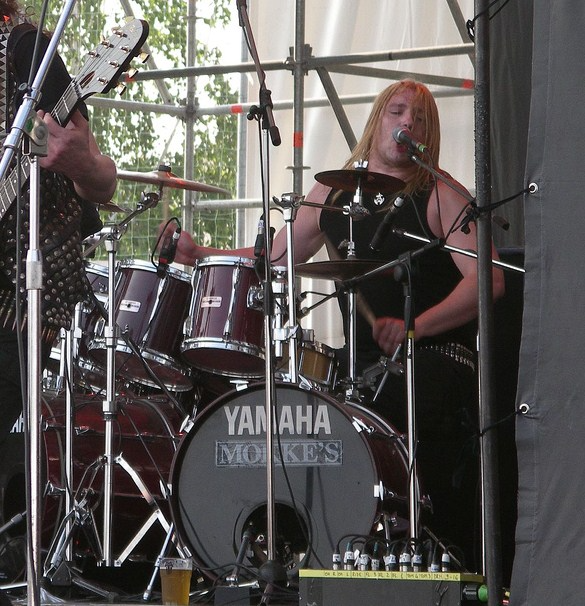
“Marc Reign” by Shadowgate via Wikimedia Commons. Licensed under Creative Commons Attribution 2.0 Generic (CC BY 2.0).

One of the biggest talking points surrounding the record is the refreshed lineup. Guitarist Matt Smith and drummer Johnny Grimley have injected a more modern attack into the band’s sound, with reviewers already highlighting tighter rhythms and flashes of death metal influence woven into the classic thrash framework.

And perhaps that’s the secret to Acid Reign’s latest rebirth: they aren’t trying to recreate 1989. While many legacy thrash acts survive on retro appeal, Acid Reign seem determined to evolve without losing the grime and speed that built their cult following in the first place.

The timing also feels right. Thrash metal has been enjoying another underground resurgence in recent years, with younger fans rediscovering overlooked UK acts through streaming platforms, festival appearances and online metal communities. On Reddit threads discussing underrated thrash bands and the so-called British “Big Four,” Acid Reign’s name repeatedly surfaces as a cult favourite deserving wider recognition.

If Daze Of The Week proves anything, it’s that Acid Reign are no museum piece. This is still music made for sweat-soaked clubs, flying beer cups and neck-breaking circle pits. Four decades into their existence, the band sound revitalised, furious and absolutely unwilling to fade quietly into metal history.

Thrash never really died — it just needed another Acid Reign.

Comment