
Progressive rock and solo piano might not seem like obvious musical companions at first glance, but pianist David Sanderson is proving otherwise with a bold and deeply atmospheric tribute to legendary Canadian prog-rock icons Rush. His newly released solo piano interpretations breathe fresh life into the band’s famously intricate catalogue, transforming towering rock epics into elegant, emotionally resonant piano works without losing the ambition and spirit that made Rush such a beloved force in rock history.
For decades, Rush built a reputation on technical precision, conceptual songwriting, and fearless experimentation. The trio — featuring bassist and vocalist Geddy Lee, guitarist Alex Lifeson, and late drummer Neil Peart — became one of progressive rock’s defining acts after forming in Toronto in 1968. Sanderson’s tribute taps directly into that legacy, stripping away walls of amplifiers and synthesizers in favour of a single piano while somehow preserving the grandeur fans expect from classics like “Tom Sawyer,” “Xanadu,” and “Closer to the Heart.”
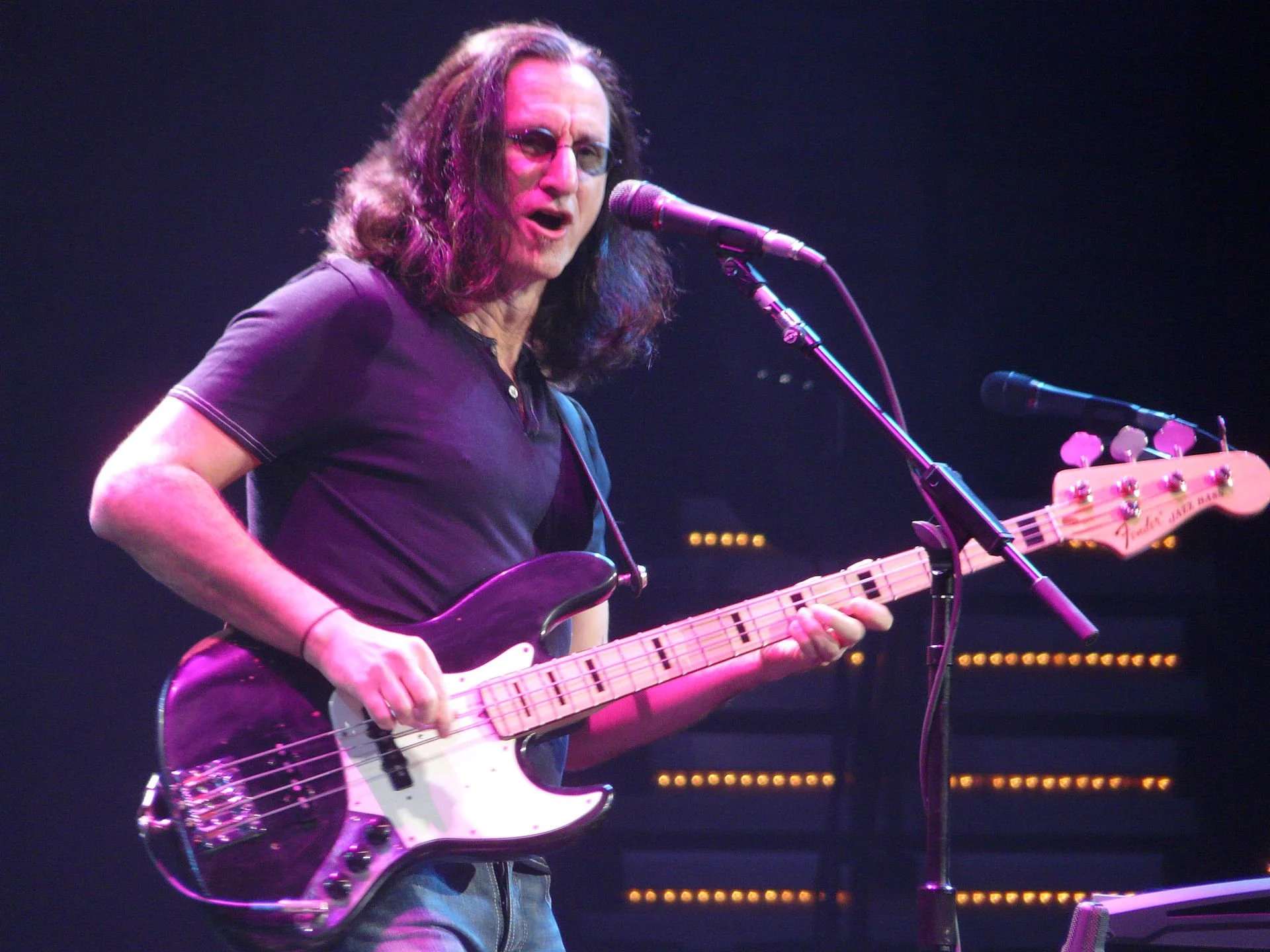
Photo by Matt Becker / Wikimedia Commons — Licensed under Creative Commons Attribution 3.0 (CC BY 3.0).
What makes the project especially compelling is how naturally Rush’s compositions lend themselves to reinterpretation. Beneath the complex time signatures and virtuosic performances has always been strong melodic architecture — something Sanderson clearly understands. Rather than simply recreating familiar riffs note-for-note, he leans into the emotional undercurrents of the music, revealing textures and harmonies that can sometimes sit hidden beneath the original band arrangements.
Early reactions from Rush fans online have been notably enthusiastic. Listeners on Reddit have praised the arrangements for highlighting overlooked details in the band’s songwriting, with several fans commenting on how the piano versions reveal entirely new dimensions within Rush’s compositions. For a band whose music has often been associated with complexity and bombast, that kind of response speaks volumes.
And perhaps that’s the real success of Sanderson’s tribute: it doesn’t feel like novelty. It feels reverent, carefully crafted, and genuinely musical. There’s an intimacy to hearing these songs interpreted through solo piano — especially material originally driven by Neil Peart’s explosive percussion and Geddy Lee’s unmistakable bass work. Instead of trying to compete with the originals, Sanderson reframes them.
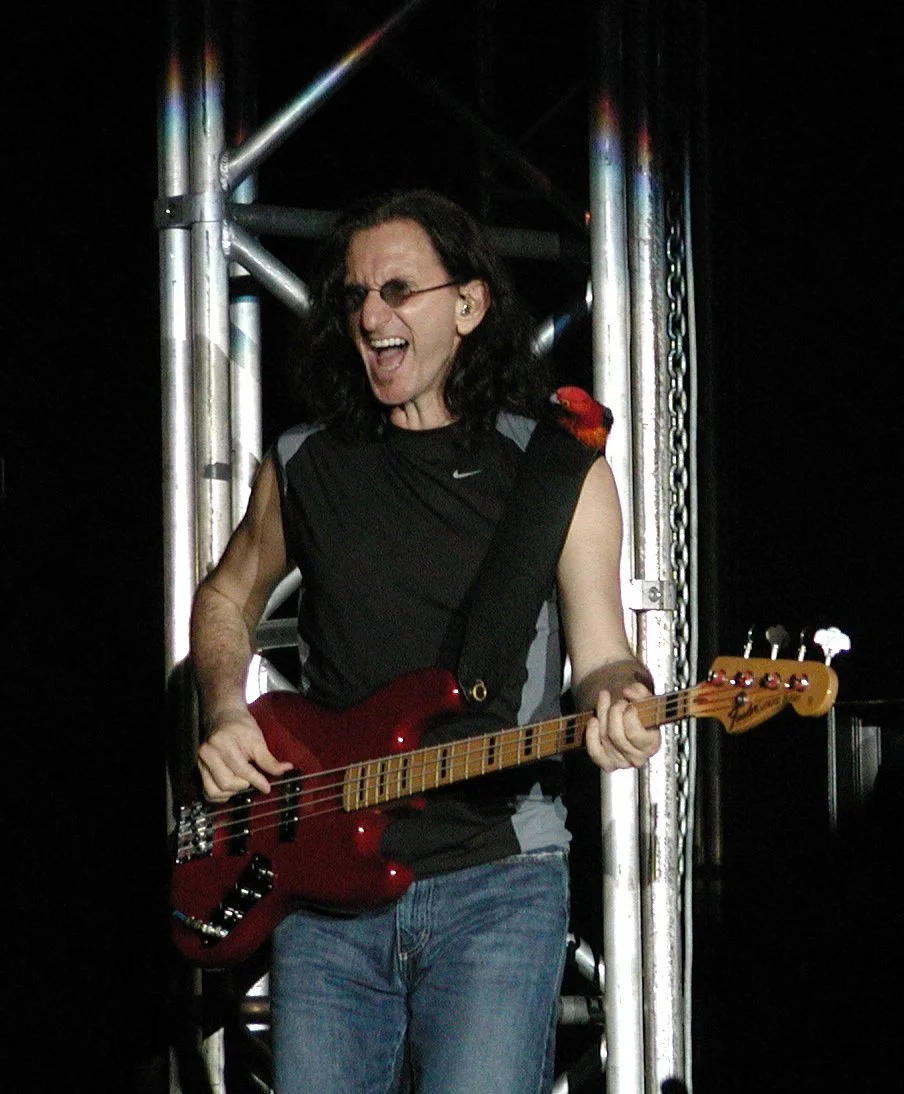
Photo by Enrico Frangi / Wikimedia Commons — Released into the public domain.
Rush’s influence continues to stretch far beyond traditional rock circles, and projects like this underline why. Their music was always more compositional than conventional, filled with movements, dynamics, and cinematic shifts that naturally invite reinterpretation. Sanderson’s piano tribute doesn’t just honour Rush — it reminds listeners how sophisticated and enduring the band’s songwriting really was.
For longtime Rush devotees, it offers a fresh perspective on familiar masterpieces. For newcomers, it may even serve as an unexpected gateway into one of rock’s most celebrated catalogues. Either way, David Sanderson has managed something rare: a tribute album that stands confidently as its own artistic statement while paying heartfelt respect to prog-rock royalty.