Comment

On " Fateful Birds & Fledgling Stories" Olivia Murphy Takes Flight

There’s a certain kind of jazz record that feels less like an album and more like stepping into an entirely imagined world. With her sweeping orchestral debut Fateful Birds & Fledgling Stories, London-based composer and conductor Olivia Murphy has delivered exactly that — a richly cinematic, myth-soaked journey that blurs the lines between contemporary jazz, chamber music, spoken storytelling and free improvisation.

Released on 8 May 2026 through Murphy’s own bandcamp page, the album marks a major moment for one of the UK jazz scene’s most inventive emerging arrangers. Built around themes of transformation, folklore and emotional upheaval, the record unfolds across ten movements performed by the expansive Olivia Murphy Jazz Orchestra.

Murphy has already built a formidable reputation in British jazz circles through her large-ensemble writing and work with the National Youth Jazz Orchestra, where she now serves as a Resident Musical Director. Critics have previously described her music as “some of the most exciting large ensemble jazz emerging from the London scene today,” and this latest project makes it easy to understand why.

At the heart of Fateful Birds & Fledgling Stories is an obsession with metamorphosis. Mythological references weave through the album’s architecture: “Calliope and the Magpies” revisits the Greek tale of the muse transforming rival singers into birds, while the multi-part “Honey Thieves” draws from an ancient story of men cursed after stealing sacred honey. Elsewhere, the gorgeous “Sister Suite” borrows imagery from Little Women, framing each sister as a different bird navigating adulthood in contrasting ways.

Musically, the record refuses to sit still. One moment it drifts into haunting vocal minimalism; the next it erupts into vast brass swells and ecstatic improvisation. Vocalists Becca Wilkins and Rebecka Edlund glide through Murphy’s arrangements like spectral narrators, while the orchestra itself moves with the unpredictability of a murmuration — fluid, restless and thrillingly alive.

There’s also an impressive pedigree behind the scenes. Trumpeter and composer Laura Jurd co-produced the album alongside Murphy, while legendary composer Django Bates contributed liner notes praising the project’s “courageous self-expression.” The sessions were recorded at London’s Livingston Studios with a cast featuring many of the UK jazz underground’s most exciting improvisers.

What makes the album particularly compelling is how unapologetically personal it feels. Even at its most technically dazzling, the music never loses sight of storytelling. Murphy’s compositions are deeply emotional but never sentimental, ambitious without becoming inaccessible. It’s orchestral jazz that still feels intimate — music designed not just to impress, but to pull listeners into its strange, dreamlike universe.

With sold-out performances already under her belt at venues including Birmingham Symphony Hall, PizzaExpress Jazz Club and Cheltenham Jazz Festival, Murphy’s ascent has been gathering momentum for several years. Fateful Birds & Fledgling Stories feels like the moment the wider world finally catches up.

And if this album is only the beginning of Murphy’s large-scale orchestral vision, British jazz may have just found its next truly essential composer.

Comment

Comment

Albion’s Enchanting Return: Inside the Mythic World of It Was In The Month Of May

There’s something wonderfully out of time about Albion. In an era dominated by algorithm-chasing singles and disposable streaming trends, the London folk-rock collective are leaning harder into ancient myth, progressive ambition, and richly textured storytelling — and their upcoming album It Was In The Month Of May might just be their boldest statement yet.

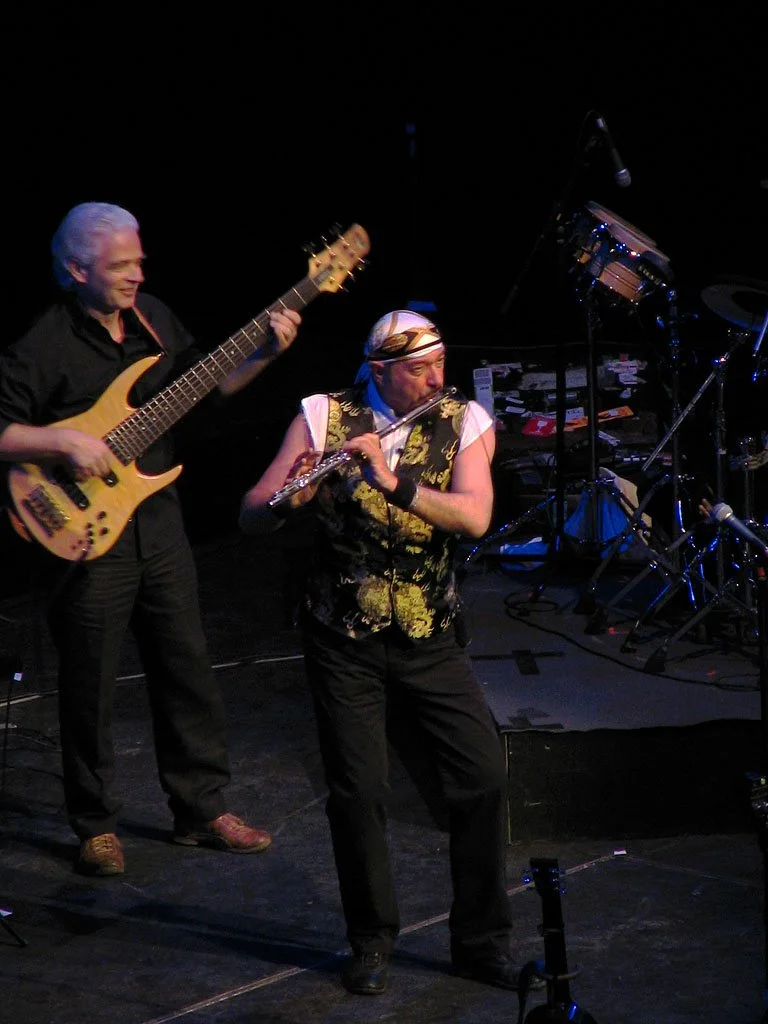
Image credit: “Ian Anderson in concert” by Melyviz, via Wikimedia Commons. Licensed under Creative Commons CC BY-SA 2.0. Suitable for editorial and commercial reuse with attribution.

Formed in 2019 by guitarist and composer Joe Parrish-James, the band emerged with a mission to preserve traditional folk music while filtering it through progressive rock and folk-metal energy. Their 2024 debut Lakesongs of Elbid established Albion as one of the UK underground’s most intriguing genre-bending acts, but the new record appears to elevate everything: bigger arrangements, deeper literary themes, and an even more cinematic atmosphere.

What makes the project especially fascinating is its connection to the world of Ian Anderson and Jethro Tull. Albion’s Joe Parrish-James and Jack Clark both have links to Anderson’s orbit, and that influence is impossible to ignore. Flutes whirl through heavy riffs, acoustic passages bloom into expansive prog-rock crescendos, and the entire album carries the unmistakable spirit of classic British folk experimentation.

The album itself reads like a lost folklore manuscript unearthed from a rain-soaked British hillside. Song titles such as The Green Knight, Hymn To Elbereth, and Eldest (Tom Bombadil) openly embrace the influence of J. R. R. Tolkien, weaving fantasy literature into Albion’s blend of Celtic folk, progressive rock, and metal.

Early reviews have praised the record’s ability to move fluidly between delicate acoustic passages and thunderous, almost soundtrack-like climaxes. Folk & Honey described the album as a more focused and mature evolution of Albion’s debut, while MetalTalk called it a “medieval journey” rich with “movie-like orchestra” textures and immersive storytelling.

There’s also a distinctly Welsh thread running through the project. Opening track Mis Mai translates to “Month of May” in Welsh, while the closing epic Calan Mai references traditional May Day celebrations. Rather than simply borrowing imagery, Albion seem intent on building a fully realised mythological landscape where British folk tradition, fantasy literature, and modern progressive music collide.

Image credit: “Ian Anderson blacksheep 2016 3924.jpg” by Rs-foto, via Wikimedia Commons. Licensed under Creative Commons CC BY-SA 3.0.

Perhaps most excitingly, Albion aren’t treating this album like a niche studio curiosity. A run of UK live dates has already been announced in support of the release, including shows in Birmingham, Cardiff, Liverpool, Manchester, and London. The band have promised performances spanning material from their earlier EPs alongside the expansive new songs from It Was In The Month Of May.

At a time when folk-rock can sometimes feel trapped between nostalgia and novelty, Albion are carving out something genuinely immersive. Their music doesn’t simply revisit old traditions — it transforms them into sprawling modern legends filled with storm clouds, ancient forests, and the ghostly echo of flutes drifting through distorted guitars.

If the early reactions are any indication, It Was In The Month Of May could become one of 2026’s most captivating underground folk-rock releases — a record designed less for passive listening and more for total escape.

Comment

Comment

"Into Oblivion" - Venom Unleash Ferocious New Chapter

More than four decades after they first crawled out of Newcastle’s underground and rewrote the rules of heavy music, Venom are back—and they’re not here to coast on legacy. Their latest release, Into Oblivion, sees the black metal architects charging forward with renewed venom (pun fully intended), delivering a record that fuses their hellish roots with a sharpened, modern edge.

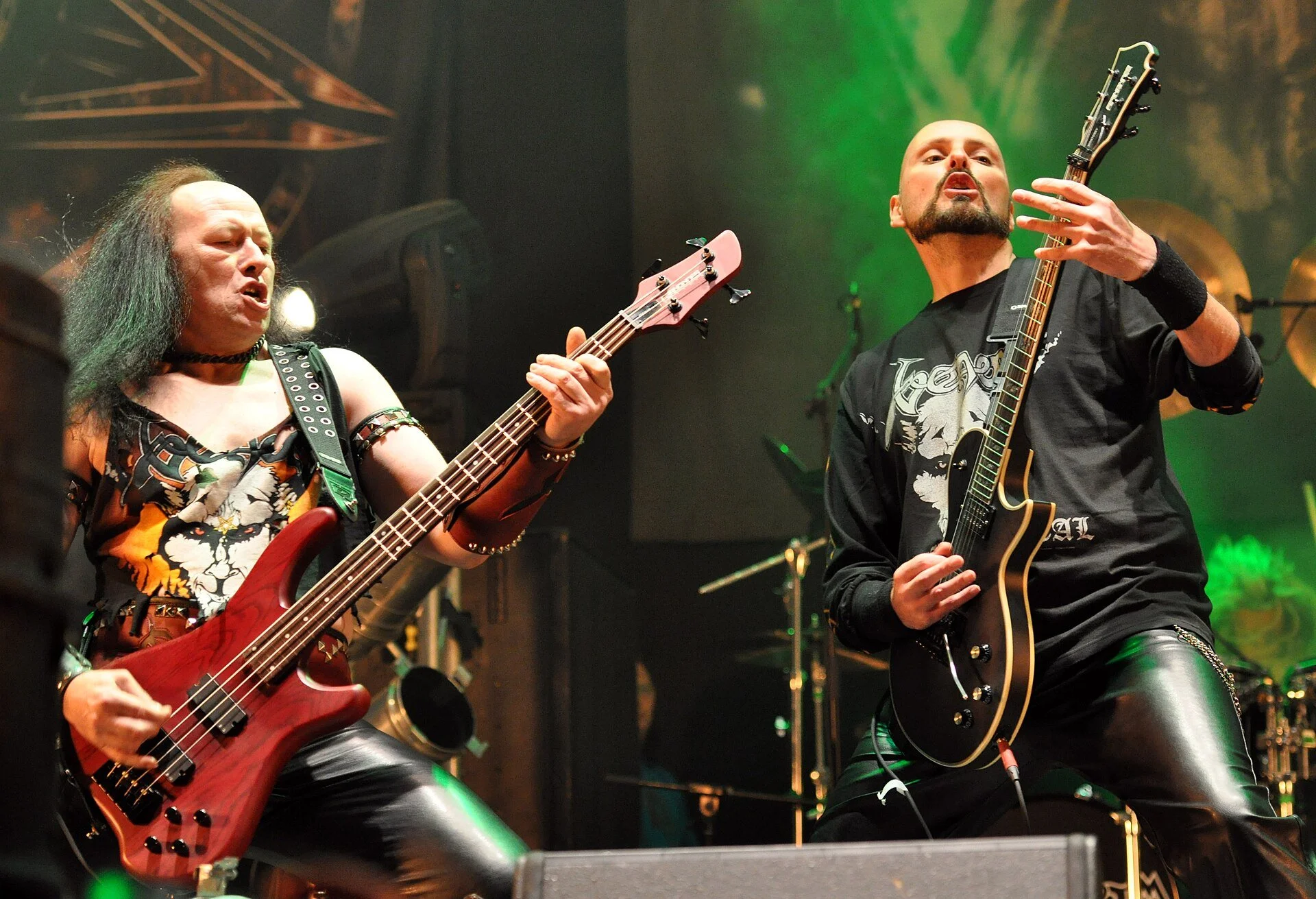
Photo: Jonas Rogowski / Wikimedia Commons / CC BY-SA 3.0

A Legacy That Refuses to Die

Formed in 1979, Venom didn’t just influence extreme metal—they practically ignited it. Their 1982 album Black Metal didn’t just lend a name to a genre; it helped define an entire movement that still thrives today.

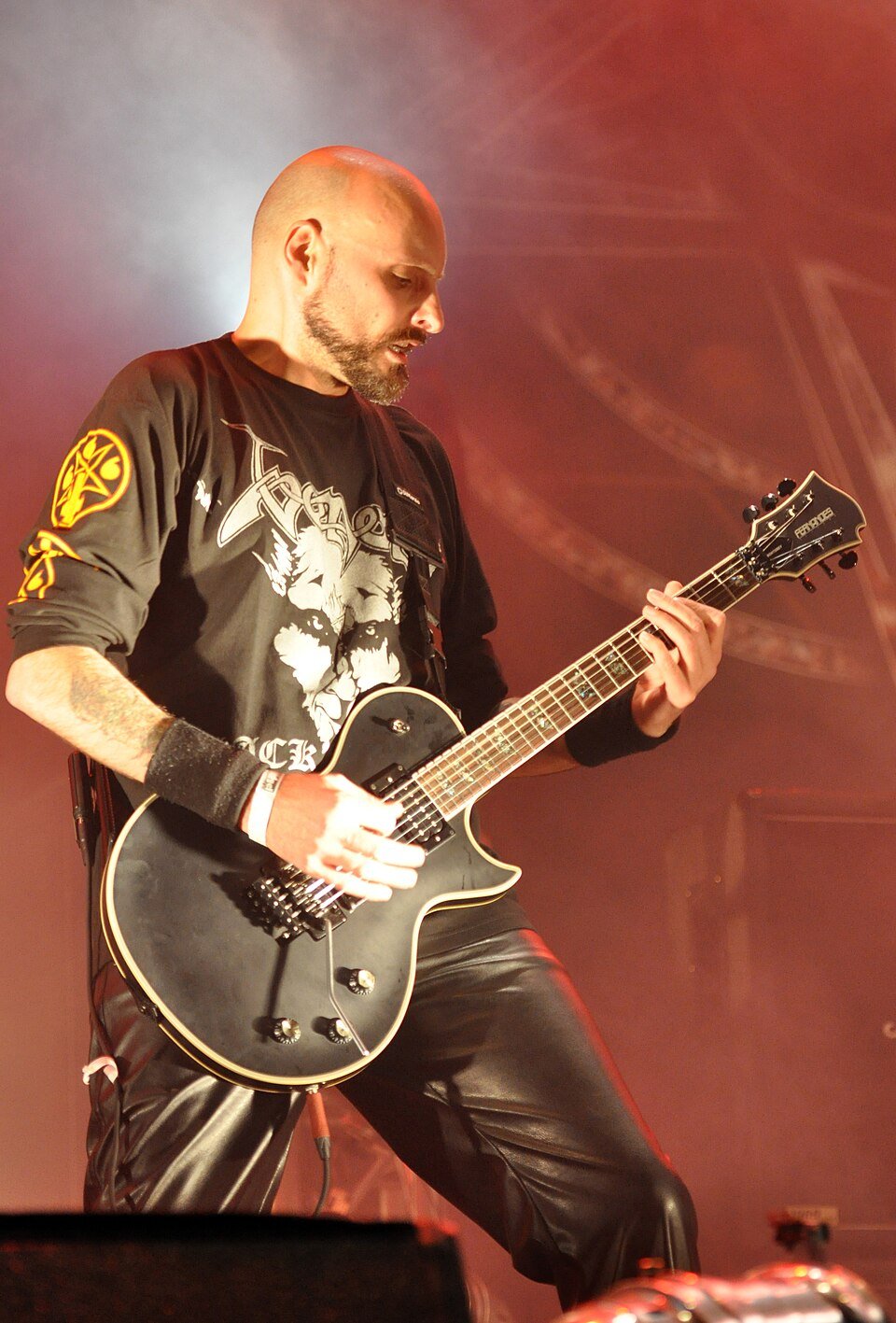
Now, in 2026, the trio—frontman Conrad “Cronos” Lant, guitarist Rage (Stuart Dixon), and drummer Dante (Danny Needham)—return with their sixteenth studio album, proving their creative fire hasn’t dimmed one bit.

Into Oblivion also marks their first new material since 2018’s Storm the Gates, ending an eight-year wait with something that feels anything but nostalgic.

Old School Evil Meets Modern Muscle

Across 13 tracks, Into Oblivion leans hard into what Venom do best: filthy riffs, snarling attitude, and a sense of danger that still feels real. But this isn’t just a throwback. The band have injected a contemporary production sheen and a more progressive structure into the mix—without sacrificing their signature chaos.

Songs like “Lay Down Your Soul” tap directly into their early-’80s DNA, echoing the raw spirit that once terrified the mainstream while still sounding fresh enough to stand shoulder-to-shoulder with modern extreme metal.

Guitarist Rage has hinted that the band aimed to craft “standout tracks” across the board—and it shows. The album doesn’t just rely on nostalgia; it builds on it, pushing Venom’s sound into a new era while keeping that unmistakable “fire and brimstone” intact.

Still Dangerous After All These Years

What’s most striking about Into Oblivion is how alive it feels. This isn’t a legacy act going through the motions—it’s a band still hungry, still loud, and still willing to evolve.

With their longest-running lineup now firmly locked in, Venom sound tighter and more focused than ever, yet no less chaotic. The balance between precision and rawness is what gives this record its punch—and why it stands as one of their most compelling modern releases.

Photo: Jonas Rogowski / Wikimedia Commons / CC BY-SA 3.0

Into the Abyss… and Beyond

If Into Oblivion proves anything, it’s that Venom aren’t content being pioneers—they’re still participants. In a genre they helped create, they continue to shape its future, reminding everyone why their name still carries so much weight.

For longtime fans, it’s a triumphant return. For newcomers, it’s a brutal invitation into one of metal’s darkest and most influential legacies. Either way, Venom aren’t fading into oblivion—they’re dragging the rest of us down with them.

Comment

Comment

“Tales of a Wanderer” - DREAMSCAPES chart a restless journey

There’s something quietly electrifying happening in the UK’s underground jazz circuit right now—and DREAMSCAPES are right at the centre of it. Their debut full-length record, Tales of a Wanderer, doesn’t just introduce a band; it sketches out an entire sonic identity in motion.

Formed by guitarist and composer Julien Durand while studying at the Royal Birmingham Conservatoire, the London-based ensemble has quickly built momentum—from early gigs in Birmingham to festival slots and now a fully realised album release backed by Arts Council England.

A band built on contrast and cohesion

At its core, DREAMSCAPES is a six-piece that thrives on interplay. Durand’s guitar anchors the group, while Lucy-Anne Daniels’ vocals, George Garford’s sax and flute textures, and a tight rhythm section (Cenk Esen, John Jones, and Jack Robson) create a sound that constantly shifts between intimacy and intensity.

Their music draws from a wide palette—everything from contemporary jazz to the electronic edges of artists like Radiohead and Aphex Twin—yet it never feels like a collage. Instead, it’s fluid, exploratory, and often surprisingly emotional.

A wandering narrative, track by track

True to its name, Tales of a Wanderer unfolds like a journey—one rooted in self-discovery, movement, and reflection. Durand himself frames the album as a search for identity, shaped over several years of experimentation and personal growth.

It opens with “Chant”, a delicate, almost meditative introduction, before drifting into ambient interludes and unfolding into more structured pieces like “Wanderer”, where Daniels’ voice becomes a central emotional thread.

Elsewhere, the band leans into complexity:

  • “Sisyphus” and “Maddy” explore dense, rhythmically charged fusion passages.

  • A reimagining of Radiohead’s “Pyramid Song” brings a darker, jazz-inflected depth.

  • Traditional folk piece “Black Is the Colour” is transformed into something intimate and atmospheric rather than nostalgic.

The result is a record that never sits still—constantly shifting between acoustic fragility and electronic textures, between structure and improvisation.

Sound, space, and subtle experimentation

What makes DREAMSCAPES particularly compelling is their restraint. Even at their most complex, there’s a sense of space—moments where Daniels’ wordless vocals blur into instrumentation, or where Garford’s flute softens the edges of a dense arrangement.

Production-wise, the album balances organic and digital elements, with touches of programming layered into tracks like “Sisyphus” and “Maddy”. It’s this blend that gives the record its contemporary edge without losing the human feel at its core.

A debut that feels like a statement

For a first full-length release, Tales of a Wanderer is remarkably assured. It captures a band that’s already developed a distinctive voice—one that resists easy categorisation and leans into emotional storytelling as much as technical skill.

In a scene where many young jazz acts push toward louder, more rock-driven territory, DREAMSCAPES take a different route: introspective, textural, and quietly ambitious.

And if this album is anything to go by, their journey is only just beginning.

Comment

Comment

On Mournhold: Tyrannus Return with a Sharpened, Thrash-Driven Assault on their new album

There’s something brewing in the UK underground again—and it’s loud, hostile, and absolutely unrelenting. Scottish extreme metal outfit Tyrannus have stormed back into view with Mournhold, a record that doesn’t just build on their debut—it tightens the screws and kicks the door clean off its hinges.

Emerging in 2018 with a foundation rooted in blackened death-thrash, the band first made waves with 2022’s Unslayable. Now, their sophomore effort Mournhold—released May 15, 2026 via True Cult Records—pushes that identity into something sharper, broader, and far more deliberate.

A Darker, More Focused Evolution

Mournhold isn’t interested in subtlety—it’s about precision aggression. The band themselves have leaned further into their thrash roots this time, but what makes the album stand out is how seamlessly it blends styles. Expect the bite of ’80s thrash, the icy atmosphere of black metal, and even flashes of post-punk woven into the chaos.

That expanded palette gives the album a dynamic edge. Tracks like “Violent Inheritance” and “Orbus Non Sufficit”twist between tempo shifts and tonal extremes, balancing blistering riff work with eerie melodic passages. Meanwhile, “Seize the Stars” doubles down on classic thrash energy—sharp, driving, and impossible not to headbang to.

Then there’s “Flesh Eternal,” a curveball moment that leans heavily into post-punk textures, letting bass and rhythm take center stage before erupting into something far more intense. Lyrically, it explores body horror and distorted ideas of love—proof that Tyrannus aren’t just riff merchants; they’re storytellers with a taste for the unsettling.

Singles That Hit Like a Hammer Blow

Lead single “Reignfall” wastes no time making a statement. It’s pure thrash fury—razor-edged riffs, barked vocals, and an immediacy that feels almost physical. Critics have pointed out its “tangible anger,” a track that ditches metaphor in favor of raw impact.

It’s the kind of song that reminds you exactly where Tyrannus come from—and why they matter in today’s extreme metal landscape.

Atmosphere Meets Aggression

Despite its relentless core, Mournhold isn’t a one-dimensional assault. Tracks like the title piece and the closing “Back to Grey” stretch into more atmospheric territory, layering haunting melodies over driving rhythms. The result is an album that feels expansive without losing its bite.

Production also plays a huge role here. Recorded in Edinburgh and mastered by Brad Boatright, the record sounds crisp but still dangerous—every riff cutting through with intent, every shift in pace landing with impact.

Final Verdict

With Mournhold, Tyrannus have delivered what many second albums promise but few achieve: a genuine evolution. It’s heavier, more refined, and more confident—an album that doesn’t just reaffirm their place in the underground, but expands it.

If Unslayable was the spark, Mournhold is the wildfire.

Comment