There’s something wonderfully out of time about Albion. In an era dominated by algorithm-chasing singles and disposable streaming trends, the London folk-rock collective are leaning harder into ancient myth, progressive ambition, and richly textured storytelling — and their upcoming album It Was In The Month Of May might just be their boldest statement yet.
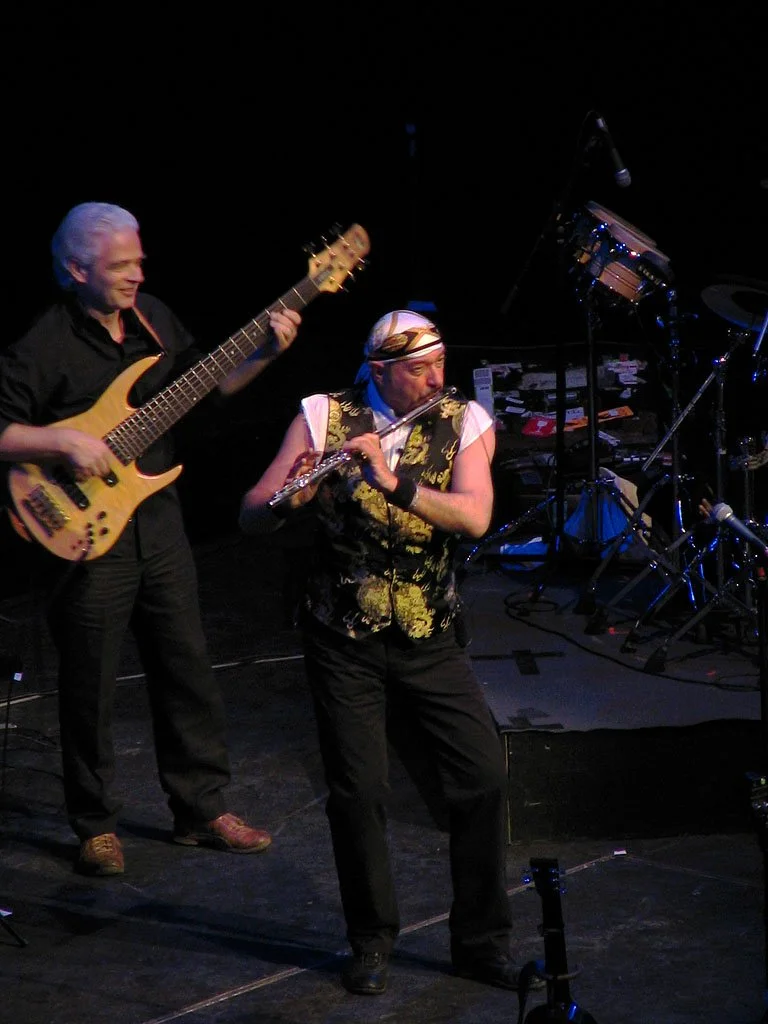
Image credit: “Ian Anderson in concert” by Melyviz, via Wikimedia Commons. Licensed under Creative Commons CC BY-SA 2.0. Suitable for editorial and commercial reuse with attribution.
Formed in 2019 by guitarist and composer Joe Parrish-James, the band emerged with a mission to preserve traditional folk music while filtering it through progressive rock and folk-metal energy. Their 2024 debut Lakesongs of Elbid established Albion as one of the UK underground’s most intriguing genre-bending acts, but the new record appears to elevate everything: bigger arrangements, deeper literary themes, and an even more cinematic atmosphere.
What makes the project especially fascinating is its connection to the world of Ian Anderson and Jethro Tull. Albion’s Joe Parrish-James and Jack Clark both have links to Anderson’s orbit, and that influence is impossible to ignore. Flutes whirl through heavy riffs, acoustic passages bloom into expansive prog-rock crescendos, and the entire album carries the unmistakable spirit of classic British folk experimentation.
The album itself reads like a lost folklore manuscript unearthed from a rain-soaked British hillside. Song titles such as The Green Knight, Hymn To Elbereth, and Eldest (Tom Bombadil) openly embrace the influence of J. R. R. Tolkien, weaving fantasy literature into Albion’s blend of Celtic folk, progressive rock, and metal.
Early reviews have praised the record’s ability to move fluidly between delicate acoustic passages and thunderous, almost soundtrack-like climaxes. Folk & Honey described the album as a more focused and mature evolution of Albion’s debut, while MetalTalk called it a “medieval journey” rich with “movie-like orchestra” textures and immersive storytelling.
There’s also a distinctly Welsh thread running through the project. Opening track Mis Mai translates to “Month of May” in Welsh, while the closing epic Calan Mai references traditional May Day celebrations. Rather than simply borrowing imagery, Albion seem intent on building a fully realised mythological landscape where British folk tradition, fantasy literature, and modern progressive music collide.

Image credit: “Ian Anderson blacksheep 2016 3924.jpg” by Rs-foto, via Wikimedia Commons. Licensed under Creative Commons CC BY-SA 3.0.
Perhaps most excitingly, Albion aren’t treating this album like a niche studio curiosity. A run of UK live dates has already been announced in support of the release, including shows in Birmingham, Cardiff, Liverpool, Manchester, and London. The band have promised performances spanning material from their earlier EPs alongside the expansive new songs from It Was In The Month Of May.
At a time when folk-rock can sometimes feel trapped between nostalgia and novelty, Albion are carving out something genuinely immersive. Their music doesn’t simply revisit old traditions — it transforms them into sprawling modern legends filled with storm clouds, ancient forests, and the ghostly echo of flutes drifting through distorted guitars.
If the early reactions are any indication, It Was In The Month Of May could become one of 2026’s most captivating underground folk-rock releases — a record designed less for passive listening and more for total escape.