
Comment

Albion’s Enchanting Return: Inside the Mythic World of It Was In The Month Of May

There’s something wonderfully out of time about Albion. In an era dominated by algorithm-chasing singles and disposable streaming trends, the London folk-rock collective are leaning harder into ancient myth, progressive ambition, and richly textured storytelling — and their upcoming album It Was In The Month Of May might just be their boldest statement yet.
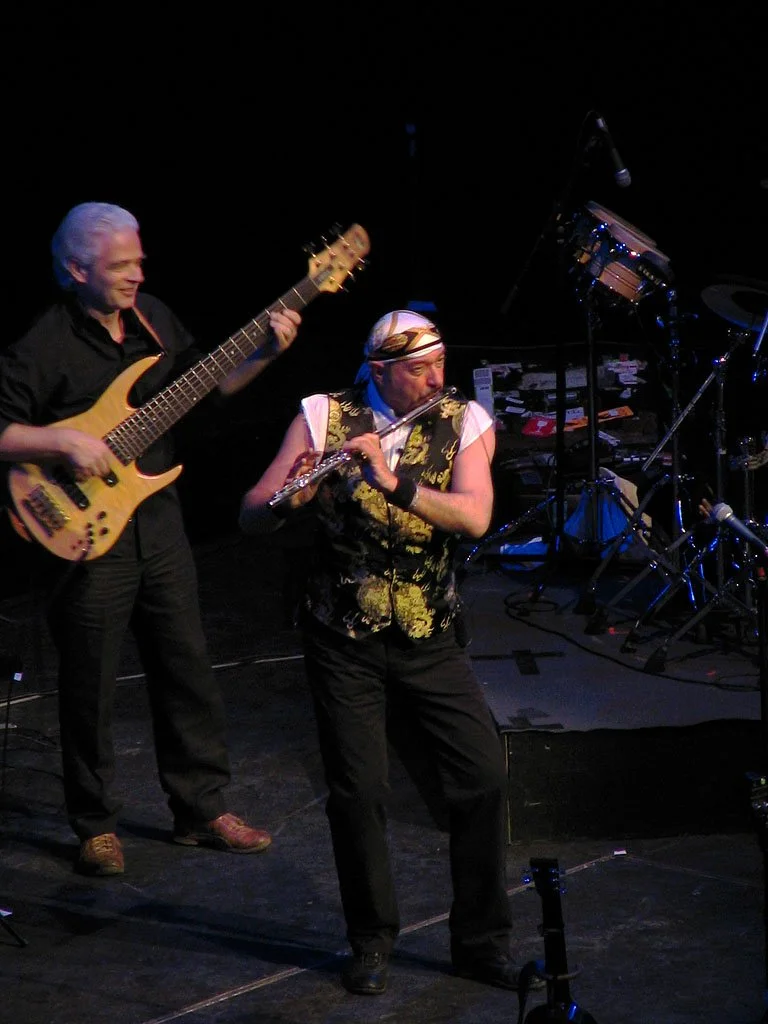
Image credit: “Ian Anderson in concert” by Melyviz, via Wikimedia Commons. Licensed under Creative Commons CC BY-SA 2.0. Suitable for editorial and commercial reuse with attribution.

Formed in 2019 by guitarist and composer Joe Parrish-James, the band emerged with a mission to preserve traditional folk music while filtering it through progressive rock and folk-metal energy. Their 2024 debut Lakesongs of Elbid established Albion as one of the UK underground’s most intriguing genre-bending acts, but the new record appears to elevate everything: bigger arrangements, deeper literary themes, and an even more cinematic atmosphere.

What makes the project especially fascinating is its connection to the world of Ian Anderson and Jethro Tull. Albion’s Joe Parrish-James and Jack Clark both have links to Anderson’s orbit, and that influence is impossible to ignore. Flutes whirl through heavy riffs, acoustic passages bloom into expansive prog-rock crescendos, and the entire album carries the unmistakable spirit of classic British folk experimentation.

The album itself reads like a lost folklore manuscript unearthed from a rain-soaked British hillside. Song titles such as The Green Knight, Hymn To Elbereth, and Eldest (Tom Bombadil) openly embrace the influence of J. R. R. Tolkien, weaving fantasy literature into Albion’s blend of Celtic folk, progressive rock, and metal.

Early reviews have praised the record’s ability to move fluidly between delicate acoustic passages and thunderous, almost soundtrack-like climaxes. Folk & Honey described the album as a more focused and mature evolution of Albion’s debut, while MetalTalk called it a “medieval journey” rich with “movie-like orchestra” textures and immersive storytelling.

There’s also a distinctly Welsh thread running through the project. Opening track Mis Mai translates to “Month of May” in Welsh, while the closing epic Calan Mai references traditional May Day celebrations. Rather than simply borrowing imagery, Albion seem intent on building a fully realised mythological landscape where British folk tradition, fantasy literature, and modern progressive music collide.

Image credit: “Ian Anderson blacksheep 2016 3924.jpg” by Rs-foto, via Wikimedia Commons. Licensed under Creative Commons CC BY-SA 3.0.

Perhaps most excitingly, Albion aren’t treating this album like a niche studio curiosity. A run of UK live dates has already been announced in support of the release, including shows in Birmingham, Cardiff, Liverpool, Manchester, and London. The band have promised performances spanning material from their earlier EPs alongside the expansive new songs from It Was In The Month Of May.

At a time when folk-rock can sometimes feel trapped between nostalgia and novelty, Albion are carving out something genuinely immersive. Their music doesn’t simply revisit old traditions — it transforms them into sprawling modern legends filled with storm clouds, ancient forests, and the ghostly echo of flutes drifting through distorted guitars.

If the early reactions are any indication, It Was In The Month Of May could become one of 2026’s most captivating underground folk-rock releases — a record designed less for passive listening and more for total escape.
Comment

Comment

"Into Oblivion" - Venom Unleash Ferocious New Chapter

More than four decades after they first crawled out of Newcastle’s underground and rewrote the rules of heavy music, Venom are back—and they’re not here to coast on legacy. Their latest release, Into Oblivion, sees the black metal architects charging forward with renewed venom (pun fully intended), delivering a record that fuses their hellish roots with a sharpened, modern edge.

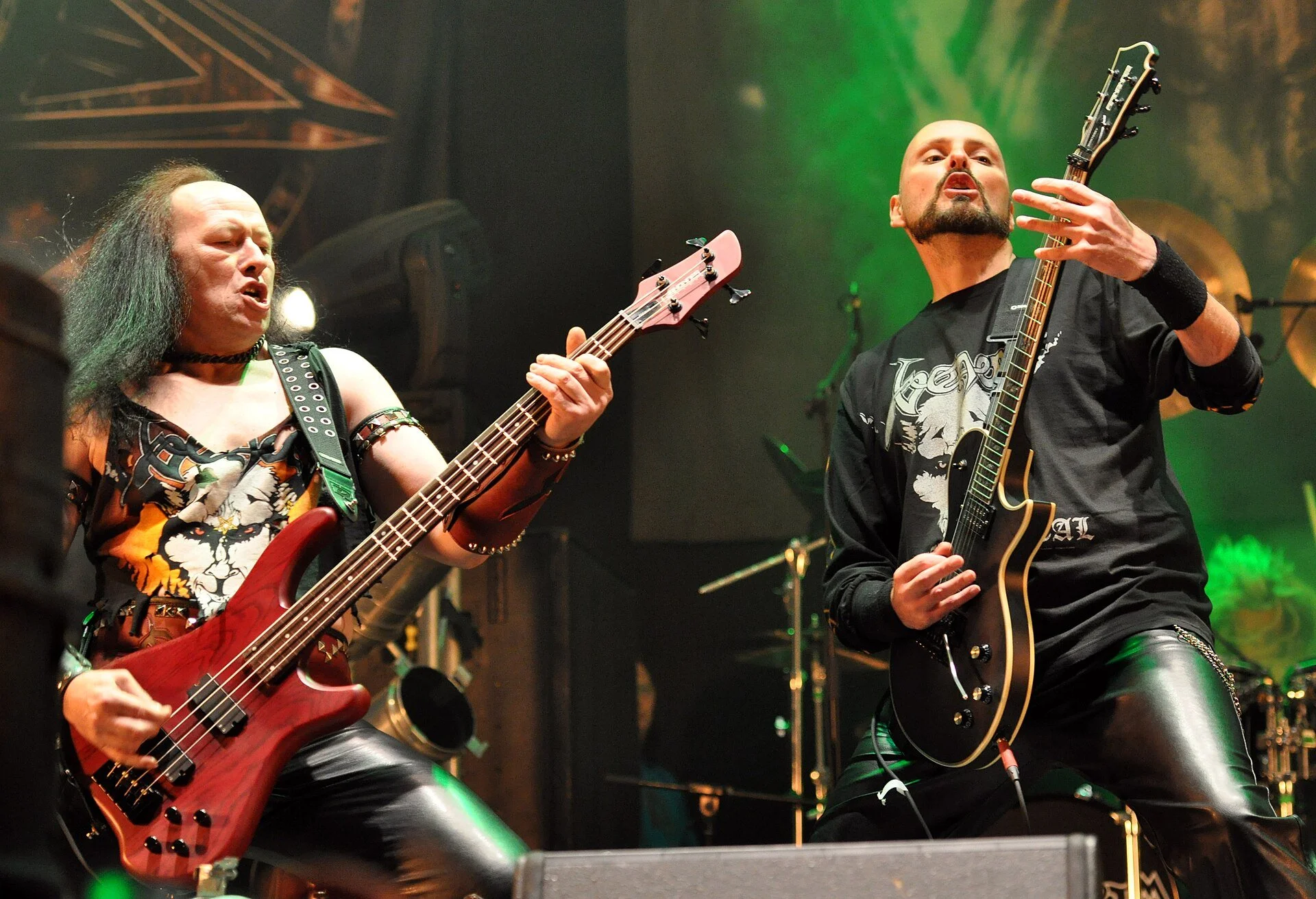
Photo: Jonas Rogowski / Wikimedia Commons / CC BY-SA 3.0

A Legacy That Refuses to Die

Formed in 1979, Venom didn’t just influence extreme metal—they practically ignited it. Their 1982 album Black Metal didn’t just lend a name to a genre; it helped define an entire movement that still thrives today.

Now, in 2026, the trio—frontman Conrad “Cronos” Lant, guitarist Rage (Stuart Dixon), and drummer Dante (Danny Needham)—return with their sixteenth studio album, proving their creative fire hasn’t dimmed one bit.

Into Oblivion also marks their first new material since 2018’s Storm the Gates, ending an eight-year wait with something that feels anything but nostalgic.

Old School Evil Meets Modern Muscle

Across 13 tracks, Into Oblivion leans hard into what Venom do best: filthy riffs, snarling attitude, and a sense of danger that still feels real. But this isn’t just a throwback. The band have injected a contemporary production sheen and a more progressive structure into the mix—without sacrificing their signature chaos.

Songs like “Lay Down Your Soul” tap directly into their early-’80s DNA, echoing the raw spirit that once terrified the mainstream while still sounding fresh enough to stand shoulder-to-shoulder with modern extreme metal.

Guitarist Rage has hinted that the band aimed to craft “standout tracks” across the board—and it shows. The album doesn’t just rely on nostalgia; it builds on it, pushing Venom’s sound into a new era while keeping that unmistakable “fire and brimstone” intact.

Still Dangerous After All These Years

What’s most striking about Into Oblivion is how alive it feels. This isn’t a legacy act going through the motions—it’s a band still hungry, still loud, and still willing to evolve.

With their longest-running lineup now firmly locked in, Venom sound tighter and more focused than ever, yet no less chaotic. The balance between precision and rawness is what gives this record its punch—and why it stands as one of their most compelling modern releases.

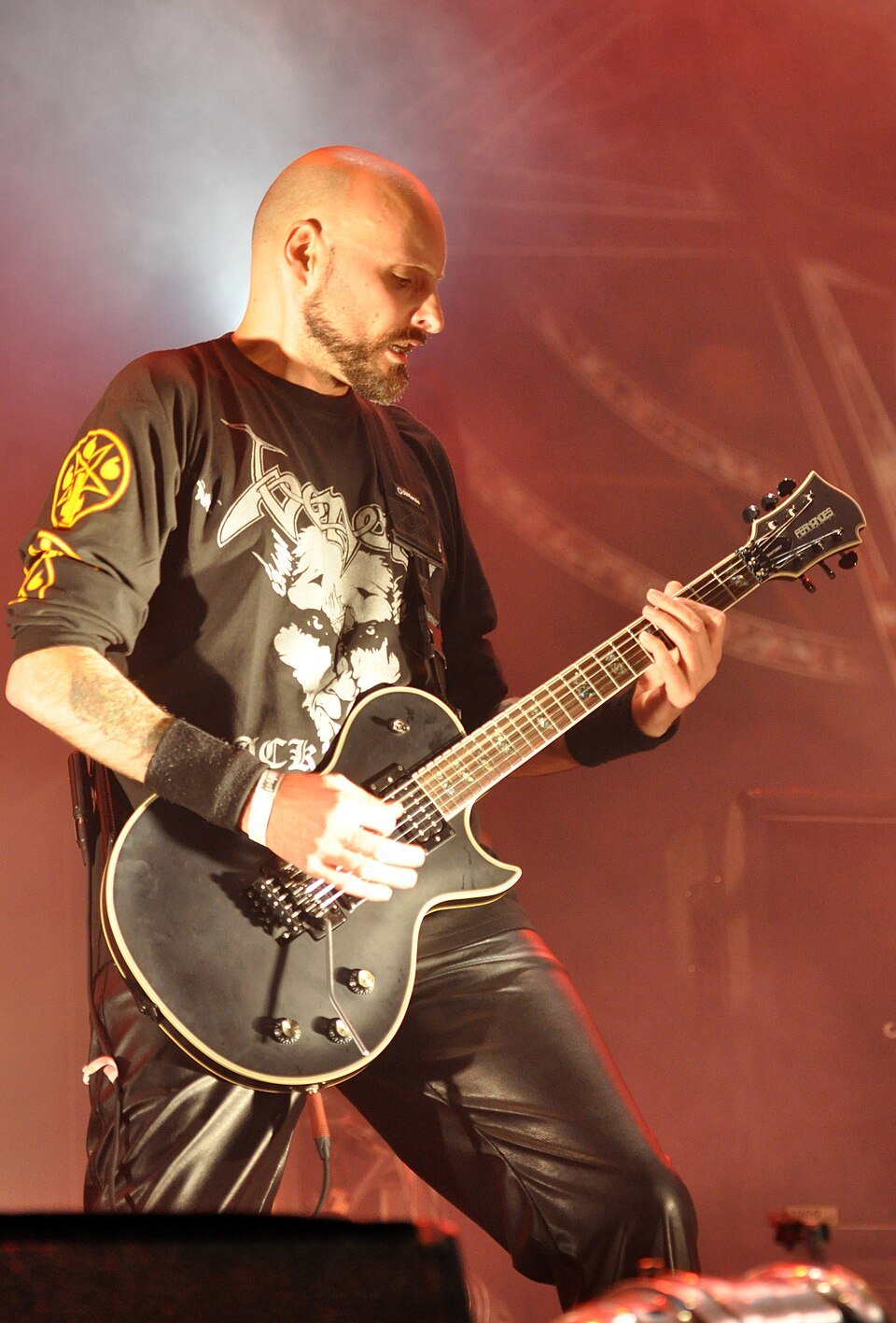
Photo: Jonas Rogowski / Wikimedia Commons / CC BY-SA 3.0

Into the Abyss… and Beyond

If Into Oblivion proves anything, it’s that Venom aren’t content being pioneers—they’re still participants. In a genre they helped create, they continue to shape its future, reminding everyone why their name still carries so much weight.

For longtime fans, it’s a triumphant return. For newcomers, it’s a brutal invitation into one of metal’s darkest and most influential legacies. Either way, Venom aren’t fading into oblivion—they’re dragging the rest of us down with them.

Comment

Comment

“Tales of a Wanderer” - DREAMSCAPES chart a restless journey

There’s something quietly electrifying happening in the UK’s underground jazz circuit right now—and DREAMSCAPES are right at the centre of it. Their debut full-length record, Tales of a Wanderer, doesn’t just introduce a band; it sketches out an entire sonic identity in motion.

Formed by guitarist and composer Julien Durand while studying at the Royal Birmingham Conservatoire, the London-based ensemble has quickly built momentum—from early gigs in Birmingham to festival slots and now a fully realised album release backed by Arts Council England.

A band built on contrast and cohesion

At its core, DREAMSCAPES is a six-piece that thrives on interplay. Durand’s guitar anchors the group, while Lucy-Anne Daniels’ vocals, George Garford’s sax and flute textures, and a tight rhythm section (Cenk Esen, John Jones, and Jack Robson) create a sound that constantly shifts between intimacy and intensity.

Their music draws from a wide palette—everything from contemporary jazz to the electronic edges of artists like Radiohead and Aphex Twin—yet it never feels like a collage. Instead, it’s fluid, exploratory, and often surprisingly emotional.

A wandering narrative, track by track

True to its name, Tales of a Wanderer unfolds like a journey—one rooted in self-discovery, movement, and reflection. Durand himself frames the album as a search for identity, shaped over several years of experimentation and personal growth.

It opens with “Chant”, a delicate, almost meditative introduction, before drifting into ambient interludes and unfolding into more structured pieces like “Wanderer”, where Daniels’ voice becomes a central emotional thread.

Elsewhere, the band leans into complexity:

  • “Sisyphus” and “Maddy” explore dense, rhythmically charged fusion passages.

  • A reimagining of Radiohead’s “Pyramid Song” brings a darker, jazz-inflected depth.

  • Traditional folk piece “Black Is the Colour” is transformed into something intimate and atmospheric rather than nostalgic.

The result is a record that never sits still—constantly shifting between acoustic fragility and electronic textures, between structure and improvisation.

Sound, space, and subtle experimentation

What makes DREAMSCAPES particularly compelling is their restraint. Even at their most complex, there’s a sense of space—moments where Daniels’ wordless vocals blur into instrumentation, or where Garford’s flute softens the edges of a dense arrangement.

Production-wise, the album balances organic and digital elements, with touches of programming layered into tracks like “Sisyphus” and “Maddy”. It’s this blend that gives the record its contemporary edge without losing the human feel at its core.

A debut that feels like a statement

For a first full-length release, Tales of a Wanderer is remarkably assured. It captures a band that’s already developed a distinctive voice—one that resists easy categorisation and leans into emotional storytelling as much as technical skill.

In a scene where many young jazz acts push toward louder, more rock-driven territory, DREAMSCAPES take a different route: introspective, textural, and quietly ambitious.

And if this album is anything to go by, their journey is only just beginning.

Comment

Comment

On Mournhold: Tyrannus Return with a Sharpened, Thrash-Driven Assault on their new album

There’s something brewing in the UK underground again—and it’s loud, hostile, and absolutely unrelenting. Scottish extreme metal outfit Tyrannus have stormed back into view with Mournhold, a record that doesn’t just build on their debut—it tightens the screws and kicks the door clean off its hinges.

Emerging in 2018 with a foundation rooted in blackened death-thrash, the band first made waves with 2022’s Unslayable. Now, their sophomore effort Mournhold—released May 15, 2026 via True Cult Records—pushes that identity into something sharper, broader, and far more deliberate.

A Darker, More Focused Evolution

Mournhold isn’t interested in subtlety—it’s about precision aggression. The band themselves have leaned further into their thrash roots this time, but what makes the album stand out is how seamlessly it blends styles. Expect the bite of ’80s thrash, the icy atmosphere of black metal, and even flashes of post-punk woven into the chaos.

That expanded palette gives the album a dynamic edge. Tracks like “Violent Inheritance” and “Orbus Non Sufficit”twist between tempo shifts and tonal extremes, balancing blistering riff work with eerie melodic passages. Meanwhile, “Seize the Stars” doubles down on classic thrash energy—sharp, driving, and impossible not to headbang to.

Then there’s “Flesh Eternal,” a curveball moment that leans heavily into post-punk textures, letting bass and rhythm take center stage before erupting into something far more intense. Lyrically, it explores body horror and distorted ideas of love—proof that Tyrannus aren’t just riff merchants; they’re storytellers with a taste for the unsettling.

Singles That Hit Like a Hammer Blow

Lead single “Reignfall” wastes no time making a statement. It’s pure thrash fury—razor-edged riffs, barked vocals, and an immediacy that feels almost physical. Critics have pointed out its “tangible anger,” a track that ditches metaphor in favor of raw impact.

It’s the kind of song that reminds you exactly where Tyrannus come from—and why they matter in today’s extreme metal landscape.

Atmosphere Meets Aggression

Despite its relentless core, Mournhold isn’t a one-dimensional assault. Tracks like the title piece and the closing “Back to Grey” stretch into more atmospheric territory, layering haunting melodies over driving rhythms. The result is an album that feels expansive without losing its bite.

Production also plays a huge role here. Recorded in Edinburgh and mastered by Brad Boatright, the record sounds crisp but still dangerous—every riff cutting through with intent, every shift in pace landing with impact.

Final Verdict

With Mournhold, Tyrannus have delivered what many second albums promise but few achieve: a genuine evolution. It’s heavier, more refined, and more confident—an album that doesn’t just reaffirm their place in the underground, but expands it.

If Unslayable was the spark, Mournhold is the wildfire.

Comment

Comment

Into the Abyss: Void of Light’s Monolithic, Haunting "Asymmetries"

There’s heavy music—and then there’s the kind of heavy that feels geological. The kind that doesn’t just hit, but presses down, suffocating and expansive all at once. Enter Void of Light, the Glasgow-based post-metal collective whose debut full-length Asymmetries lands like a slow-moving avalanche of sound and emotion.

A Debut Years in the Making

After building momentum through earlier EPs, Void of Light have finally unveiled Asymmetries, released April 3, 2026 via Ripcord Records.

This isn’t a rushed debut. It’s a carefully constructed, five-track monolith stretching over 48 minutes, each piece unfolding with deliberate weight and intent.

Across those five compositions—each hovering around the ten-minute mark—the band explores the full breadth of post-metal’s emotional spectrum: from crushing, sludge-laden riffs to fragile, almost meditative passages.

Sound: Crushing Meets Catharsis

Void of Light operate in a space familiar to fans of genre titans like Cult of Luna, Neurosis, and Isis—but they’re not content to simply echo their influences.

Instead, Asymmetries thrives on contrast. The band’s three-guitar assault builds towering walls of distortion, only to peel them back into shimmering, post-rock textures moments later.

Tracks like “Mirrorings”—a sprawling ten-minute closer—encapsulate this dynamic perfectly, shifting from pummeling sludge to melodic, almost shoegaze-like passages without losing cohesion.

The result? A sound that feels both suffocating and strangely uplifting—bleak in tone, yet rich with emotional release.

The Anatomy of Weight

What makes Asymmetries stand out isn’t just its heaviness—it’s how intentional that heaviness feels.

This is a band obsessed with dynamics. Every crushing riff is earned. Every quiet moment feels like the aftermath of something seismic. Reviews consistently highlight the album’s meticulous construction, where “nothing is rushed or half-formed.”

The dual vocal approach adds another layer of tension, shifting between harsh, excoriating deliveries and more restrained, atmospheric tones.

A Scene on the Rise

Void of Light aren’t emerging in isolation. The UK—and particularly Scotland—has become a fertile ground for forward-thinking heavy music in recent years.

But Asymmetries feels like a statement piece: a declaration that this band isn’t just part of the scene—they’re here to help define its next chapter.

Final Verdict

Asymmetries isn’t an easy listen, nor is it meant to be. It demands patience, immersion, and a willingness to be swallowed whole by its atmosphere.

But for those who give themselves over to it, Void of Light’s debut offers something rare: a record that feels vast, immersive, and genuinely weighty—not just in sound, but in emotional impact.

This is post-metal at its most enveloping—crushing, haunting, and impossible to ignore.

Comment