Comment

On The Latest Release "Don’t Forget Me" By Lal Tuna

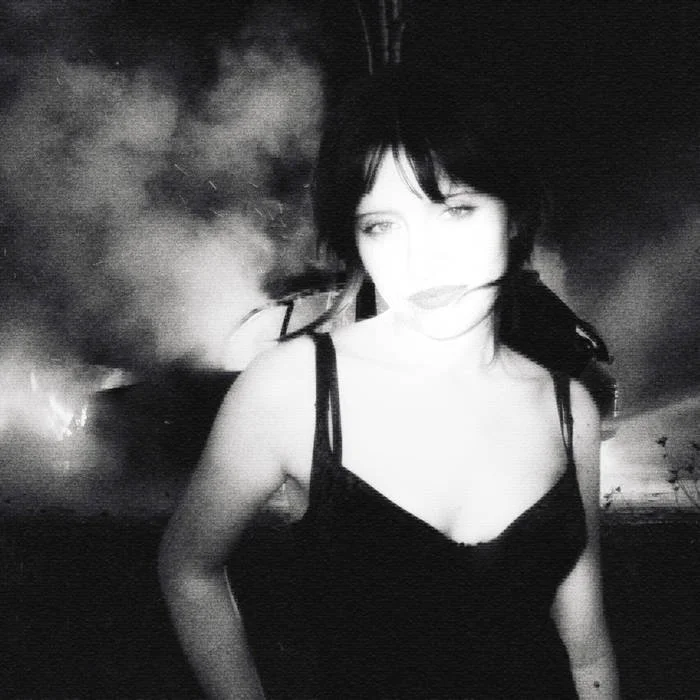
French-based, Istanbul-born singer-songwriter Lal Tuna returns with another haunting gem in her new single Don’t Forget Me, now circulating across indie playlists and underground music circles.

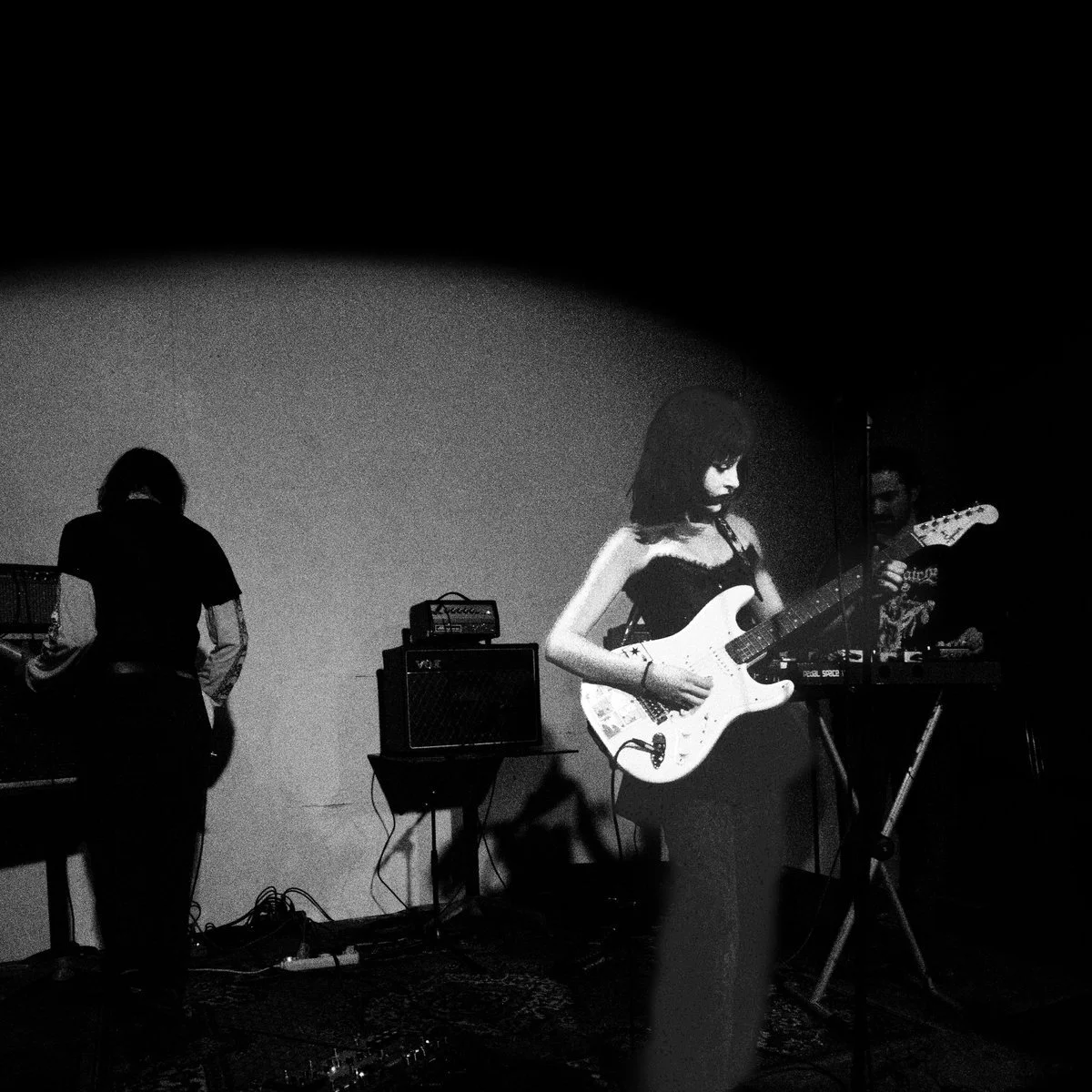
Known for straddling the line between dreamy introspection and raw emotional exposure, Lal Tuna has steadily carved out a space of her own. Working largely independently from her base in Bordeaux, she writes, produces, and performs music that feels less like singles and more like lived-in emotional documents. Her work leans into DIY sensibilities while maintaining a sharp artistic vision — intimate, cinematic, and unafraid of discomfort.
A Vivid, Personal Tale in Sound

Don’t Forget Me stands out as a quietly devastating entry in her catalog. Where earlier releases explored trauma, disassociation, and longing through genre-blurring soundscapes, this track zeroes in on memory and attachment. It’s a restrained, atmospheric piece that unfolds slowly, allowing vulnerability to sit front and center.

Rather than building toward a dramatic crescendo, the song lingers in its emotional tension. Softly delivered vocals drift over minimal instrumentation, giving the impression of a late-night confession — part plea, part acceptance. The result is a track that feels deeply personal without ever tipping into melodrama.

Channeling the Art School Girlfriend Ethos

There’s an unmistakable art school girlfriend energy running through Don’t Forget Me — not as imitation, but as shared sensibility. Like the aesthetic often associated with emotionally literate, artist-led pop, Lal Tuna’s approach favors mood, nuance, and interior worlds over obvious hooks or spectacle.

The comparison works less on a sonic level and more in spirit. This is music rooted in introspection, romantic vulnerability, and the idea of the artist as observer of her own emotional landscape. It’s thoughtful, intimate, and slightly detached — as if the song exists in the space between remembering and letting go.
An Artist Still Expanding Her World

Across her broader body of work, Lal Tuna has shown a willingness to experiment — from eerie folk-leaning tracks to darker, guitar-driven material shaped by personal recovery and emotional survival. That restless creativity continues here, with Don’t Forget Me feeling like both a continuation and a refinement of her voice.

As the single finds its way into listeners’ headphones, it reinforces Lal Tuna’s quiet but compelling presence in the indie landscape. This is music that doesn’t demand attention — it earns it, lingering long after the final note fades.
Comment

Comment

On The Unleashing Of Stirring New Single & Video Hurricane By Katherine Priddy

British singer‑songwriter Katherine Priddy has just dropped a powerful new single and accompanying music video titled “Hurricane”, the latest taste of her forthcoming third album These Frightening Machines — due out on March 6, 2026.

For fans who've been following Priddy's quietly meteoric rise through the UK folk and alternative scene — from her acclaimed 2021 debut The Eternal Rocks Beneath to her richly emotional 2024 album The Pendulum Swing — “Hurricane” feels like a thrilling new chapter in her artistic evolution.

A Song Born from a Storm (Literally)

In press quotes tied to the release, Priddy revealed that the song’s idea came during a tornado warning in Nashville — sheltering from the sirens while melody and lyrics took shape in her mind.

That duality — an actual weather event turned metaphor for raw, irresistible, and sometimes destructive emotion — shapes the song’s tone: sultry yet urgent, familiar yet unexpected. Critics and early listeners alike are already buzzing about its atmospheric groove and Priddy’s signature vocal warmth, which together cast “Hurricane” as both a mood and a metaphor.

A Video Full of Life

The official video, directed by Jay Bartlett, leans into this intimate, visceral energy — showcasing Priddy in scenes that balance quiet reflection with moments of turbulent momentum. In interviews, she’s said the visuals were a chance to invite friends, family, and familiar pub settings into the storyline, keeping the creativity grounded in personal relationships that mean a lot to her.

What These Frightening Machines Has in Store

These Frightening Machines marks a significant step forward musically. Produced by Rob Ellis (renowned for work with PJ Harvey and Anna Calvi) and recorded at Middle Farm Studios in rural Devon, the album promises to be Priddy’s most sonically varied work yet — blending folk roots with lush rhythms, bold instrumentation, and lyrical introspection.

The record also highlights collaborations with artists like Torres and Richard Walters, adding dynamic new voices to her rich folk‑infused sound.

A UK Tour to Match the Release

In support of the album, Priddy has announced a series of in‑store appearances and a full headline tour across the UKthroughout spring 2026 — hitting major cities and beloved venues with both new songs and crowd favorites in her live repertoire.

From intimate indie record shops to iconic stages like London’s Union Chapel and homecoming shows in Birmingham Town Hall, it’s clear that this era — and especially “Hurricane” — marks more than just a single release. It’s a bold reinvention and reaffirmation of Priddy’s place as one of Britain’s most compelling contemporary songwriters.

This isn’t just another folky, acoustic track. It’s a sonic storm, layering atmospheric production with songwriting that blends personal vulnerability with universal emotion — all delivered through Priddy’s haunting, expressive vocals.

If the rest of These Frightening Machines continues in this vein, it could well be one of 2026’s most talked‑about albums.

Comment

Comment

The Köln Concert at 50: How Keith Jarrett’s Improvised Masterpiece Changed Music Forever

January 24, 1975, began as a difficult day for American jazz pianist Keith Jarrett — and ended as one of the most celebrated moments in modern music history. That evening, Jarrett took the stage at the Cologne Opera House in Germany and performed a completely improvised solo piano concert, creating the music in real time with no written material. The recording of that performance became The Köln Concert, an album that would go on to become the best-selling solo piano record of all time, and one of the most influential jazz recordings ever released.

From Adversity to Inspiration

At the time of the concert, Jarrett was just 29 years old, already respected for his work in jazz fusion and avant-garde circles, including his tenure with Miles Davis. But nothing in his career to that point hinted at the cultural impact The Köln Concert would have.

The circumstances surrounding the performance are now legendary. Jarrett arrived in Cologne exhausted after a long drive and suffering from severe back pain. To make matters worse, the piano provided was not the concert grand he had requested, but a smaller, poorly tuned instrument with limited bass response. Cancelling the show was a real possibility — yet Jarrett decided to perform anyway. Rather than fight the instrument, he adapted to it, building rhythmic patterns and melodic structures that worked around its limitations.

That act of adaptation became central to the music’s magic.

A Recording That Defied Expectations

Released later in 1975 by ECM Records and produced by Manfred Eicher, The Köln Concert captured the full performance across two LPs, divided into four extended improvisations. What followed was unprecedented: a deeply experimental solo piano album crossing over into the mainstream.

Listeners from jazz, classical, and even pop backgrounds connected with the recording’s emotional openness, hypnotic grooves, and lyrical beauty. Over the decades, it sold millions of copies worldwide — a staggering achievement for an improvised piano performance — and introduced countless listeners to the idea that jazz improvisation could be both challenging and profoundly accessible.

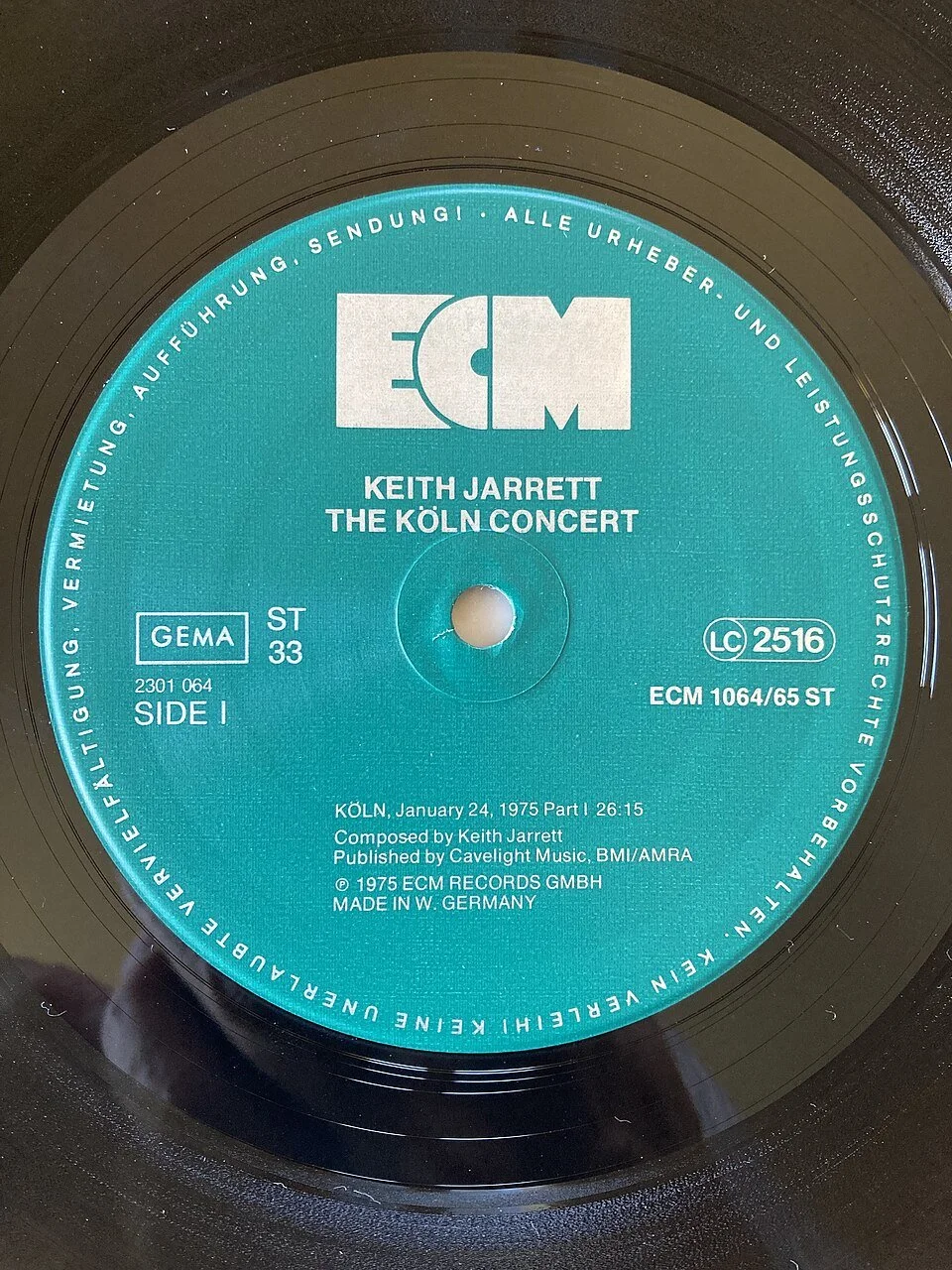
Creative Commons licensed image of the original 1975 vinyl label of The Köln Concert*, via Wikimedia Commons.*

Fifty Years of Influence

In 2025, The Köln Concert reaches its 50th anniversary, an occasion marked by special anniversary editions and renewed critical attention. Half a century on, the recording still feels remarkably alive — a document not just of a concert, but of a moment where creativity triumphed over circumstance.

The album’s influence extends far beyond jazz. It has inspired classical pianists, electronic producers, dancers, and composers, and continues to be studied as a masterclass in spontaneous musical architecture. Its success also helped establish ECM Records’ reputation for pristine sound quality and adventurous artistry.

Why The Köln Concert Still Matters

What makes The Köln Concert endure isn’t just its technical brilliance — it’s the sense of risk and presence captured in every note. Jarrett’s performance is a reminder that music doesn’t always need to be planned to be profound. Sometimes, the most lasting art emerges from listening deeply, responding instinctively, and trusting the moment.

Fifty years later, that trust still resonates.

Comment

Comment

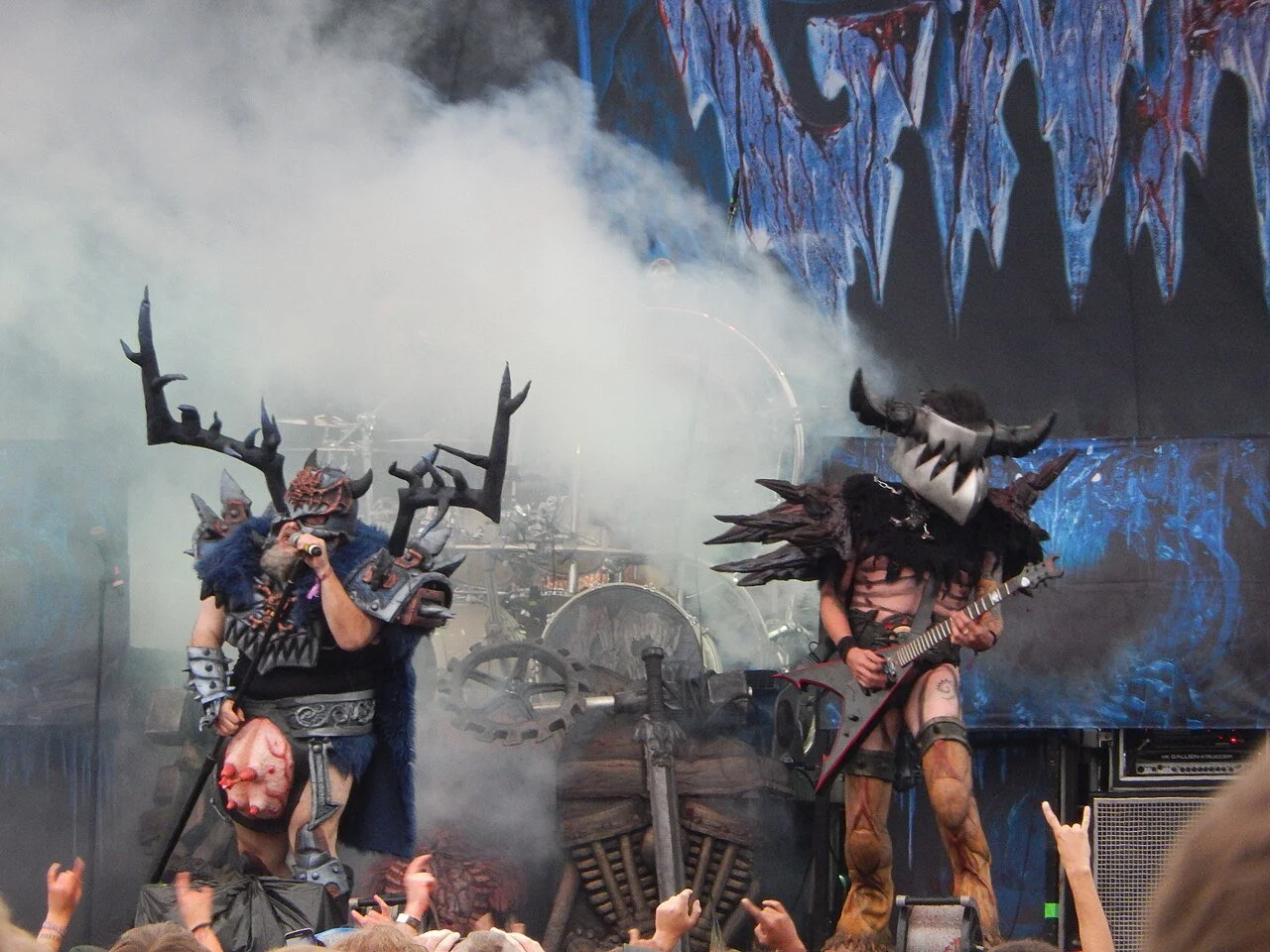
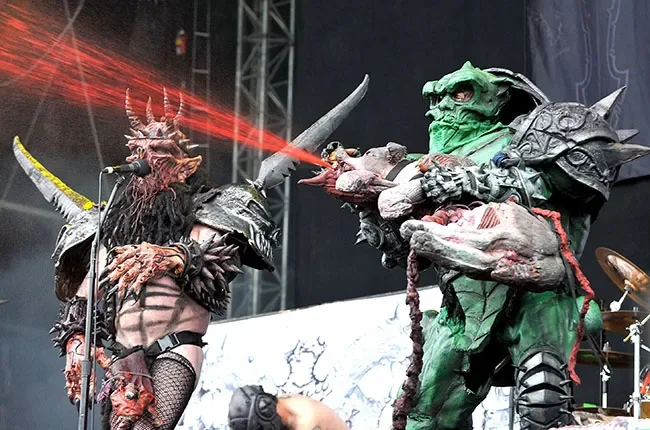
When GWAR Invites You to the Pink Pony Club: Thrash Metal Meets Glitter Pop

In one of the most delightfully chaotic mashups of the year, shock-rock legends GWAR have flipped the script on Chappell Roan’s pop anthem “Pink Pony Club” — and the result is glorious, surprising, and utterly metal.

Captured as part of The A.V. Club’s A.V. Undercover series, GWAR’s take on the song swaps neon club beats and pop gloss for bone-crushing riffs, thunderous drums, and the kind of theatrical excess only the self-described Scumdogs of the Universe can deliver. What starts as an almost straight-faced rendition quickly mutates into something monstrous, hilarious, and strangely triumphant.

‘Pink Pony Club’ is about embracing exile from a boring, shitty world and remaking yourself into whatever you want — be who you are, be who you aren’t, piss people off, we don’t care,” vocalist Berserker Blötharsaid of the cover.

A Cover That’s as Unlikely as It Is Electrifying

Originally released in 2020, “Pink Pony Club” became a breakout moment for Chappell Roan, celebrating freedom, queerness, and self-reinvention through joyous pop maximalism. GWAR — formed in Richmond, Virginia in 1984 and infamous for their grotesque costumes, satirical violence, and sci-fi mythology — might seem like the last band to touch it.

And yet, somehow, it makes perfect sense.

Filmed at Chelsea Studios in New York, the performance leans into the song’s emotional core before detonating into full-scale metal chaos. GWAR don’t parody the track so much as reclaim it, amplifying its defiant spirit through distortion, snarled vocals, and their trademark over-the-top spectacle.

Tradition Meets Transgression

This isn’t GWAR’s first left-field choice for A.V. Undercover. The band previously stunned viewers with a heavy, irreverent take on “I’m Just Ken” from the Barbie soundtrack, proving once again that nothing is off-limits in their universe.

With “Pink Pony Club,” GWAR also mark a milestone: their seventh appearance on the long-running cover series — more than any other artist to date. It’s a testament to both their adaptability and their enduring appeal as cultural agitators.

Why This Cover Actually Works

On paper, a costumed thrash-metal band covering a glittery pop anthem sounds like a joke. In practice, it lands because both the original song and GWAR’s entire ethos revolve around the same idea: unapologetic self-expression.

Whether it’s Chappell Roan celebrating escape and identity on the dance floor or GWAR celebrating chaos, absurdity, and rebellion through amplified mayhem, both are about choosing who you are — loudly, defiantly, and without asking permission.

And if this performance ends up being someone’s first exposure to either artist? All the better. The Pink Pony Club has always been open to outsiders.

Comment

Comment

On Mitski's Comeback with Eighth Studio Album Nothing’s About to Happen to Me

Mitski — the ever-inventive indie icon whose music has captivated a generation — has just announced her highly anticipated eighth studio album, Nothing’s About to Happen to Me. The record is set to arrive on February 27, 2026 via Dead Oceans, marking her first studio album since 2023’s The Land Is Inhospitable and So Are We.

The announcement comes with the release of the album’s lead single, “Where’s My Phone?”, a track that immediately reintroduces Mitski’s sharp emotional instincts through jittery guitars, restless energy, and a creeping sense of unease. The accompanying music video, directed by frequent collaborator Noel Paul, draws inspiration from Shirley Jackson’s We Have Always Lived in the Castle, with Mitski portraying a woman fiercely guarding her isolated world as chaos closes in.

What to Expect From the New Album

Nothing’s About to Happen to Me is described as a richly layered record supported by a live band and orchestra, suggesting a cinematic expansion of Mitski’s sound while retaining the emotional intimacy she’s known for. The album features 11 tracks, including:

  • In a Lake

  • Where’s My Phone?

  • Cats

  • If I Leave

  • Dead Women

  • Instead of Here

  • I’ll Change for You

  • Rules

  • That White Cat

  • Charon’s Obol

  • Lightning

Early reactions to “Where’s My Phone?” highlight its blend of anxious lyricism and dynamic structure — a sound that feels both familiar and freshly unsettled, nodding to Mitski’s indie-rock past while pushing forward into darker, more theatrical territory.

An Artist in Constant Motion

Across albums like Bury Me at Makeout Creek, Puberty 2, and Be the Cowboy, Mitski has built a reputation for emotional precision and stylistic reinvention. More recently, her work has expanded into orchestral arrangements, film, and carefully curated live performances, further cementing her status as one of modern indie music’s most compelling voices.

Nothing’s About to Happen to Me appears poised to continue that evolution — introspective yet grand, controlled yet volatile. With pre-orders already underway and the lead single setting the tone, anticipation is quickly building.

Beyond its sonic ambition, Nothing’s About to Happen to Me leans heavily into themes of anticipation, denial, and quiet unraveling — the feeling of bracing for impact while pretending everything is fine. Several track titles hint at domestic symbolism and mythic undercurrents, suggesting a record preoccupied with isolation, routine, and the stories we tell ourselves to survive them. Mitski has long excelled at capturing emotional tension in small, intimate moments, and this album appears to stretch those moments outward, framing personal anxiety against sweeping arrangements and narrative imagery. The result feels less like a collection of songs and more like a slow-burning emotional arc, one that invites repeat listens and rewards close attention.

Final Thoughts

Mitski has never been an artist who stands still, and Nothing’s About to Happen to Me feels like another deliberate step into a slightly stranger, deeper emotional landscape. Whether you’ve followed her career from the beginning or are arriving at this moment, this album is shaping up to be one of 2026’s most talked-about releases.

Comment