
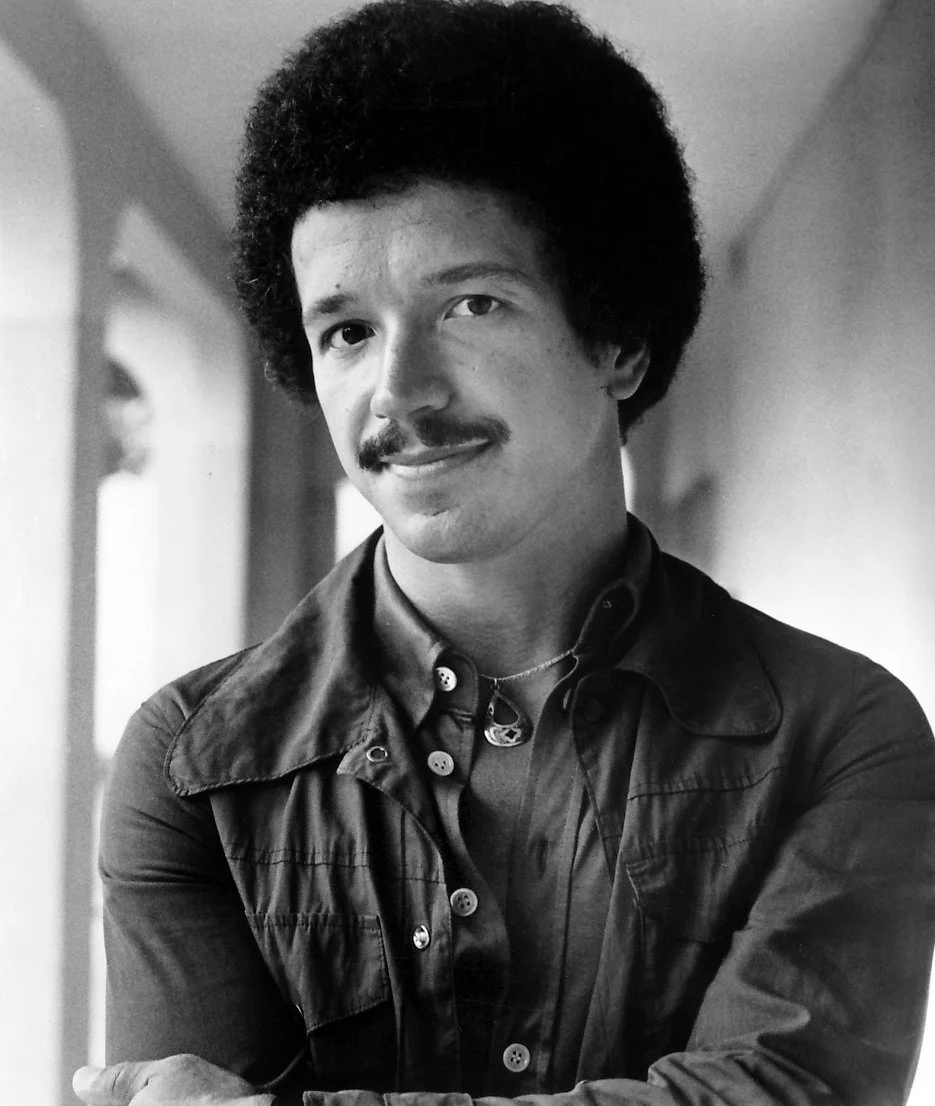
January 24, 1975, began as a difficult day for American jazz pianist Keith Jarrett — and ended as one of the most celebrated moments in modern music history. That evening, Jarrett took the stage at the Cologne Opera House in Germany and performed a completely improvised solo piano concert, creating the music in real time with no written material. The recording of that performance became The Köln Concert, an album that would go on to become the best-selling solo piano record of all time, and one of the most influential jazz recordings ever released.
From Adversity to Inspiration
At the time of the concert, Jarrett was just 29 years old, already respected for his work in jazz fusion and avant-garde circles, including his tenure with Miles Davis. But nothing in his career to that point hinted at the cultural impact The Köln Concert would have.
The circumstances surrounding the performance are now legendary. Jarrett arrived in Cologne exhausted after a long drive and suffering from severe back pain. To make matters worse, the piano provided was not the concert grand he had requested, but a smaller, poorly tuned instrument with limited bass response. Cancelling the show was a real possibility — yet Jarrett decided to perform anyway. Rather than fight the instrument, he adapted to it, building rhythmic patterns and melodic structures that worked around its limitations.
That act of adaptation became central to the music’s magic.
A Recording That Defied Expectations
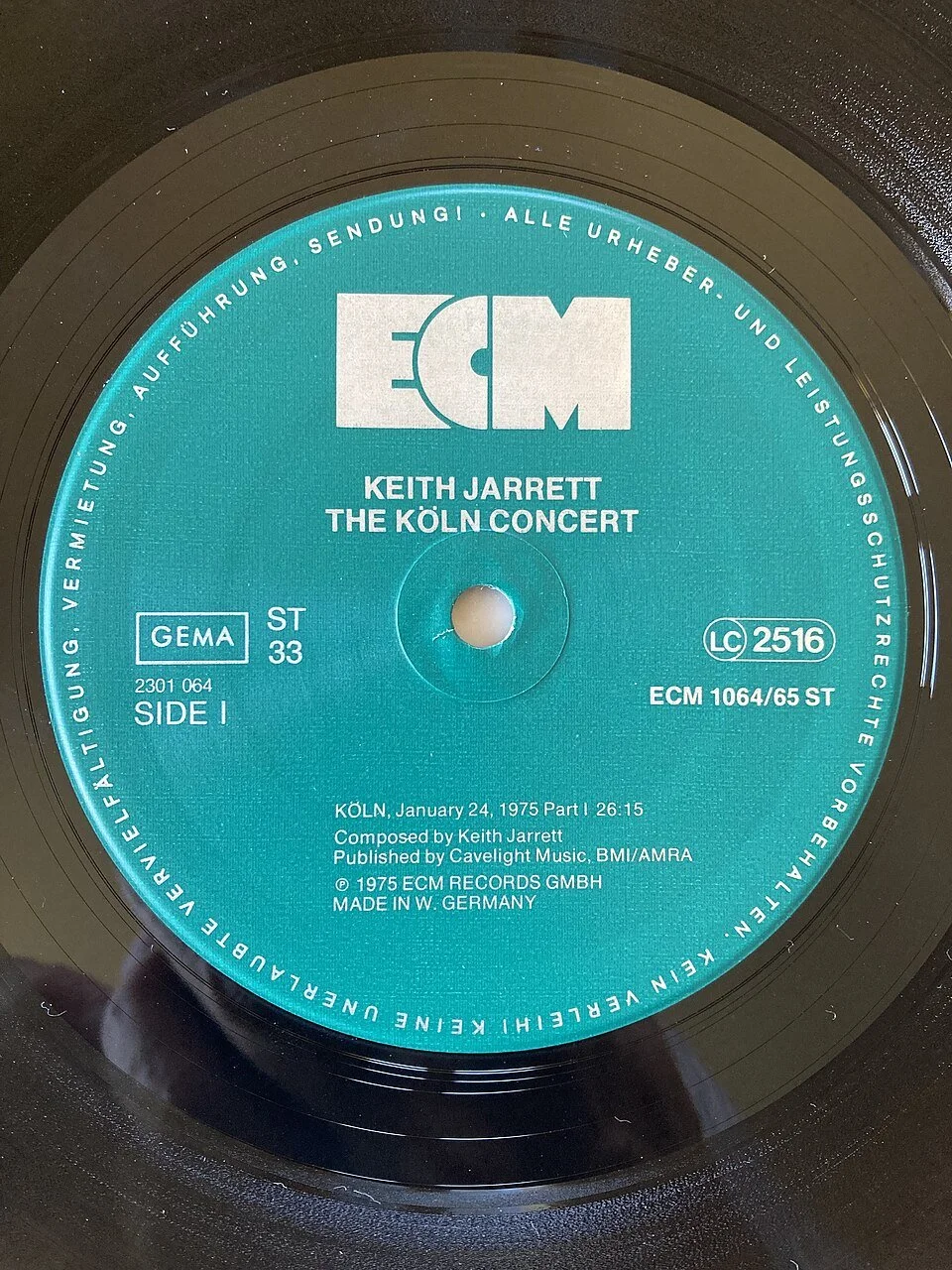
Released later in 1975 by ECM Records and produced by Manfred Eicher, The Köln Concert captured the full performance across two LPs, divided into four extended improvisations. What followed was unprecedented: a deeply experimental solo piano album crossing over into the mainstream.
Listeners from jazz, classical, and even pop backgrounds connected with the recording’s emotional openness, hypnotic grooves, and lyrical beauty. Over the decades, it sold millions of copies worldwide — a staggering achievement for an improvised piano performance — and introduced countless listeners to the idea that jazz improvisation could be both challenging and profoundly accessible.
Creative Commons licensed image of the original 1975 vinyl label of The Köln Concert*, via Wikimedia Commons.*
Fifty Years of Influence
In 2025, The Köln Concert reaches its 50th anniversary, an occasion marked by special anniversary editions and renewed critical attention. Half a century on, the recording still feels remarkably alive — a document not just of a concert, but of a moment where creativity triumphed over circumstance.
The album’s influence extends far beyond jazz. It has inspired classical pianists, electronic producers, dancers, and composers, and continues to be studied as a masterclass in spontaneous musical architecture. Its success also helped establish ECM Records’ reputation for pristine sound quality and adventurous artistry.
Why The Köln Concert Still Matters
What makes The Köln Concert endure isn’t just its technical brilliance — it’s the sense of risk and presence captured in every note. Jarrett’s performance is a reminder that music doesn’t always need to be planned to be profound. Sometimes, the most lasting art emerges from listening deeply, responding instinctively, and trusting the moment.
Fifty years later, that trust still resonates.