
Few works in American music have inspired as many bold reinventions as Porgy and Bess. Since its 1935 debut, George Gershwin’s landmark “folk opera” has lived simultaneously in the worlds of classical music, blues, gospel and jazz, producing timeless standards like “Summertime” and “I Loves You, Porgy.”
Now, acclaimed Canadian trumpeter Ingrid Jensen is adding her own electrifying voice to that legacy — and jazz audiences are paying attention.
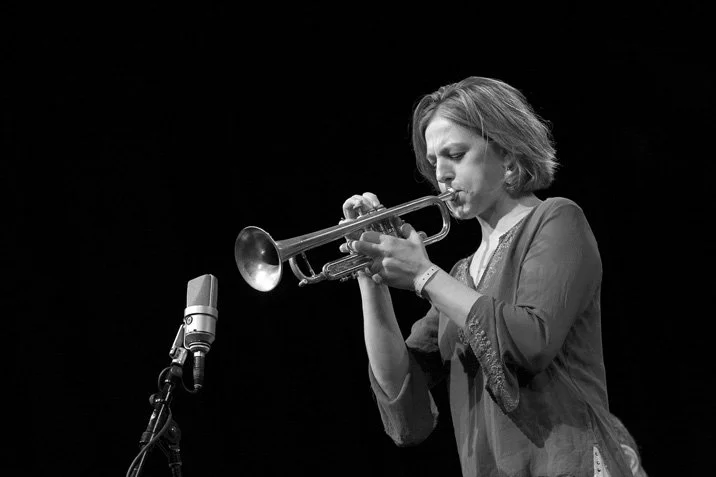
“Ingrid Jensen” — Photo by Geert Vandepoele, via Wikimedia Commons. Licensed under Creative Commons Attribution-ShareAlike 2.0 (CC BY-SA 2.0).
Jensen has long been regarded as one of the most adventurous trumpet players in modern jazz. A graduate of Berklee College of Music, she rose to prominence in the 1990s through collaborations with the Vienna Art Orchestra, the DIVA Jazz Orchestra, and later with visionary bandleaders including Maria Schneider and Darcy James Argue. Critics have praised her muscular tone, fearless improvisation and ability to move effortlessly between lyrical elegance and explosive avant-garde energy.
That makes her a natural fit for the emotionally charged world of Porgy and Bess.
Over the decades, Gershwin’s masterpiece has become a rite of passage for jazz musicians. Legendary interpretations by Miles Davis and Ella Fitzgerald transformed the score into fertile territory for improvisation, proving that the music could thrive far beyond the opera stage.
Jensen’s approach feels both respectful of that tradition and thrillingly contemporary. Whether soaring through the aching melancholy of “Summertime” or attacking ensemble passages with blazing post-bop intensity, she brings a modern edge that keeps Gershwin’s material feeling alive rather than museum-bound. Her phrasing balances precision with spontaneity — the kind of playing that can turn a familiar melody into something startlingly new.
And that’s exactly what jazz audiences crave from Porgy and Bess: reinvention.
The original opera itself remains one of the most discussed and debated works in American music history. Set in a South Carolina fishing community known as Catfish Row, the story follows the fragile relationship between Porgy and Bess amid poverty, addiction and violence. While celebrated for its fusion of jazz, blues and classical composition, the work has also faced decades of scrutiny over racial representation and cultural authenticity.
Yet musically, its influence is undeniable.
For artists like Jensen, the score offers an emotional and harmonic playground — rich with dramatic tension, sweeping melodies and rhythmic flexibility. Her style, shaped by everything from straight-ahead swing to contemporary large ensemble jazz, seems uniquely equipped to unlock the opera’s darker corners and ecstatic highs.
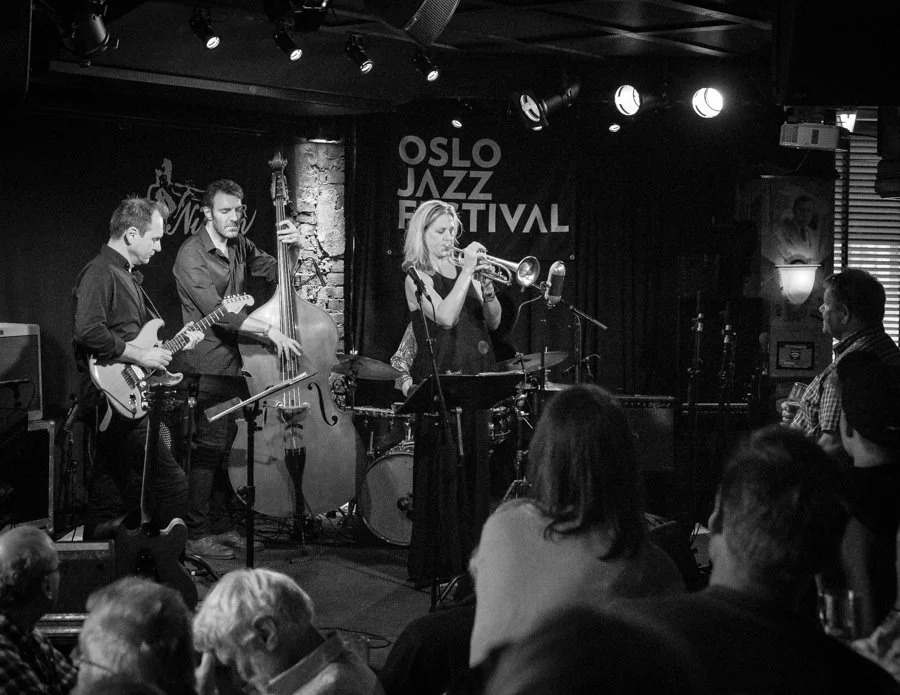
“Ingrid Jensen Quartet Herr Nilsen Oslo Jazzfestival” — Via Wikimedia Commons. Licensed under CC BY-SA 4.0.
Recent performances and collaborations continue to reinforce Jensen’s standing as one of jazz’s most dynamic modern voices. Whether leading her own ensembles or appearing with major orchestras and festivals around the world, she has built a reputation for performances that combine virtuosity with deep emotional connection.
In other words: if Porgy and Bess is about emotional intensity, Ingrid Jensen speaks its language fluently.
For jazz fans, this meeting of Gershwin’s immortal music and Jensen’s fearless trumpet artistry is more than another tribute project. It’s a reminder that great music survives because each generation reshapes it — bends it, stretches it and pushes it into the future.
And in Jensen’s hands, Porgy and Bess still burns.