
Silent Way: A New Chapter in Electronic Elegance by Shinichi Atobe

If you’ve been tracking the quietly transformative arc of Shinichi Atobe’s career, today’s news is a major milestone. The respected Japanese electronic producer has officially announced his new full-length album Silent Way, slated for release on March 27, 2026.

This marks Atobe’s first LP since his critically acclaimed 2024 record Disciple, a release that further solidified his standing as one of electronic music’s most quietly influential figures.

A Legacy of Silence and Sound
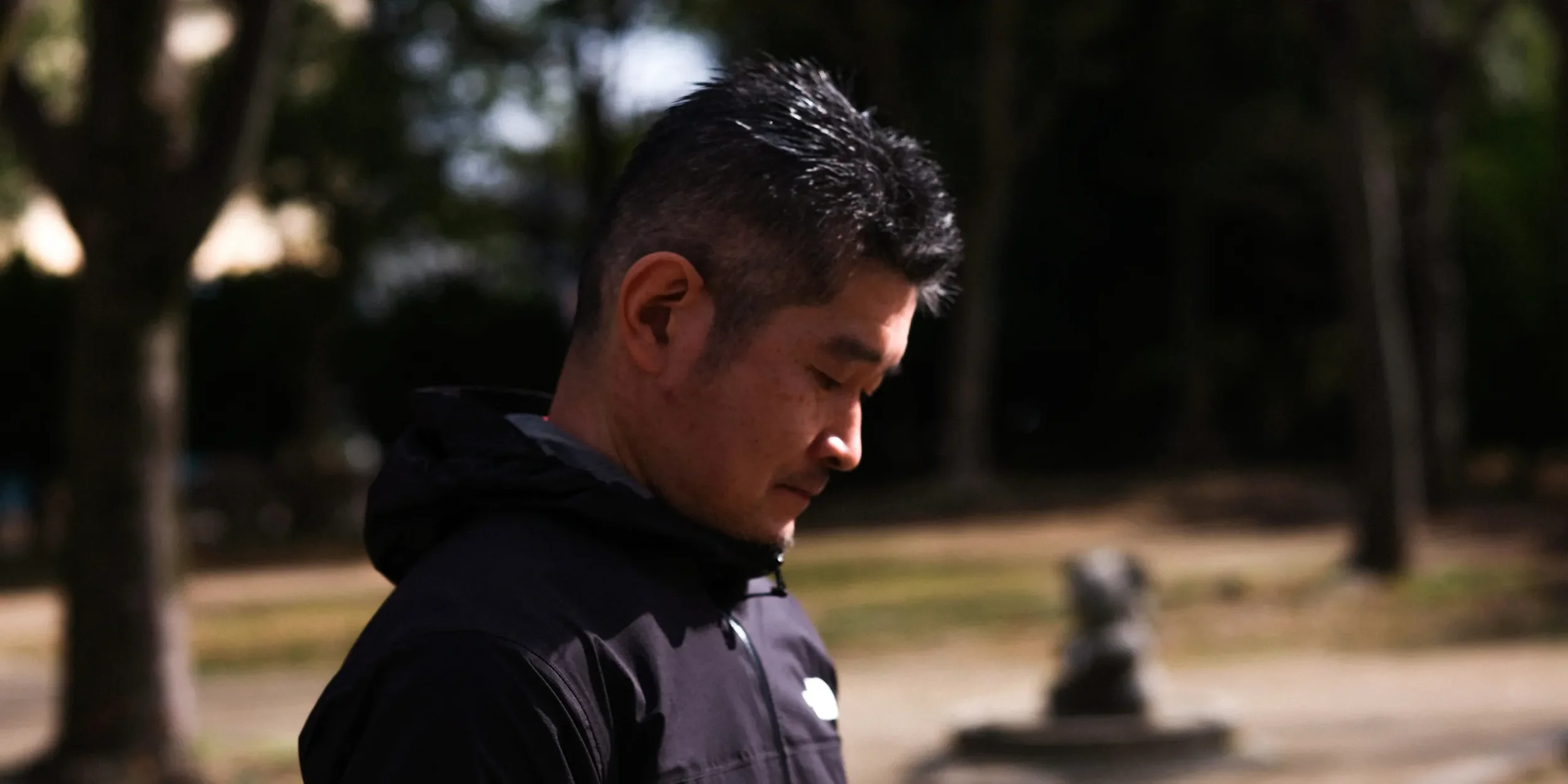
Atobe’s story is as intriguing as his music. After debuting with the 12-inch Ship-Scope on the legendary dub techno imprint Chain Reaction in 2001, he vanished from the global spotlight for over a decade — a disappearance that only deepened his mystique.

He re-emerged in the 2010s via the UK label DDS (Distort Decay Sustain), with Butterfly Effect (2014) marking his first full album in years. Since then, a steady run of releases — including Heat, Yes, Love of Plastic, and Peace of Mind — has cemented his reputation for crafting deeply immersive electronic music that moves fluidly between minimal techno, dub, ambient, and deep house.

Silent Way: A New Adventure

Silent Way looks set to continue that evolution. The album’s tracklist points toward a reflective, atmospheric journey, with titles such as “Blurred”, “Aquarius”, and lead single “Rain 1” hinting at a more inward-looking sonic palette.

The album was mixed and mastered by Berlin-based engineer and artist Rashad Becker, whose precise, detail-driven approach suggests a release that will reward close listening. Visuals for the record come courtesy of photographer Yusuke Yamatani, adding another carefully considered layer to Atobe’s world.
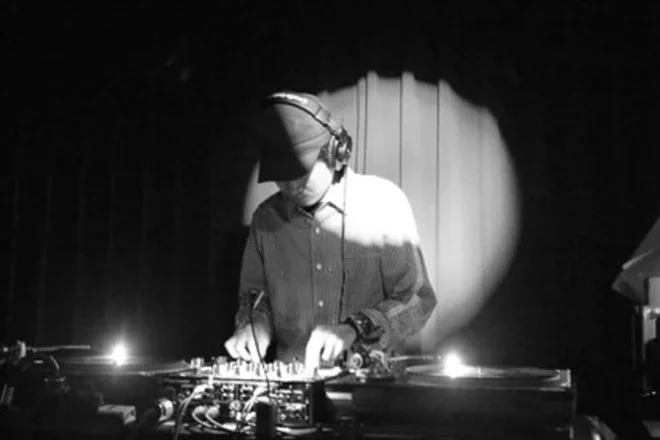
From Underground to Esteemed Influence

What sets Shinichi Atobe apart isn’t just longevity, but growth. Over a career spanning more than 25 years, he has gradually expanded his sound — moving from sparse, dub-inflected techno toward warmer, more melodic compositions without ever losing restraint or focus.

There’s a quiet confidence to his work, mirroring the artist himself: understated, patient, and deeply intentional. Once rediscovered by a new generation of listeners in the early 2010s, Atobe has since built a devoted following drawn to the subtle emotional pull of his music.

With Silent Way, Shinichi Atobe doesn’t simply add another album to his catalogue — he opens another door. If this announcement is any indication, 2026 is shaping up to be a significant moment for fans of carefully crafted, timeless electronic music.
Comment

The Power at the Center: How XG Are Building Strength From Within

At a time when global pop moves faster than ever, XG are choosing identity over trends: With their debut full-length album The Core – 核, the seven-member group are making it clear that growth doesn’t mean losing yourself — it means understanding who you are at the center. As they’ve recently shared, “When we come together, we become stronger.”

A Group Built Beyond Borders

Since debuting in 2022 under the XGALX label, XG — made up of Jurin, Chisa, Hinata, Juria, Cocona, Maya, and Harvey — have followed a path unlike any other. Singing primarily in English and blending hip-hop, R&B, and pop, the group positioned themselves from day one as a global act, rather than fitting neatly into J-pop or K-pop categories.

That vision paid off quickly. XG earned international chart recognition, went viral for their razor-sharp performances, and made history as the first Japanese girl group to perform on Coachella’s Sahara stage — a defining moment that cemented their presence on the world stage.

What The Core Really Means

Released on January 23, 2026, The Core – 核 isn’t just an album title — it’s a philosophy. The word “core” represents essence, foundation, and truth, and the record reflects that idea through genre-fluid tracks that still feel unmistakably XG.

Rather than chasing what’s hot, the album focuses on what lasts: unity, individuality within a group, and creative honesty. The members have spoken about how years of training and shared experience shaped this moment — not as seven solo stars, but as one collective force.

Strength in Unity

A defining theme across XG’s recent era is togetherness. Leader Jurin has spoken about how the group’s strength comes from mutual trust, while other members have emphasized how collaboration — onstage and off — keeps them grounded as their profile grows.

That message extends to their fans, ALPHAZ, who XG consistently refer to as part of their journey rather than spectators. The relationship feels less like idol and audience, and more like a shared movement built on energy, belief, and connection.

More Than Music

XG’s impact goes beyond sound. Their fashion-forward visuals, fearless styling, and genre-blending identity have earned them attention from major fashion and culture publications, positioning them as tastemakers as much as musicians. Every release feels intentional — from choreography to visuals — reinforcing the idea that XG isn’t just a group, but a world.

Moving Forward, Together

As XG continue their world tour and step deeper into this new chapter, one thing is clear: their power doesn’t come from following the industry’s rules, but from trusting their own foundation. The Core isn’t about reinvention — it’s about refinement.

In a global pop landscape that’s constantly shifting, XG are standing firm. Together, louder, sharper, and stronger than ever.

Comment

Comment

Asaf Harris Lets ‘FCB’ Breathe Live at The Guitar Loft

Israeli-born saxophonist, composer, and educator Asaf Harris continues to build quiet momentum with the release of “FCB (Live at The Guitar Loft)”, a vivid new live performance taken from his forthcoming album I Thought I Was Ready. The track offers a revealing snapshot of Harris at a creative peak — confident yet searching, rooted in jazz tradition while unafraid to stretch outward into new emotional and cultural territory.

Following his 2022 debut Walk of The Ducks, Harris has steadily refined a sound that feels both personal and expansive. I Thought I Was Ready, scheduled for release on January 30, 2026, is a seven-track collection of original compositions shaped by memory, life transitions, and the uneasy realization that preparedness is often something we only understand in hindsight. The album’s title itself hints at this tension — reflective rather than declarative, open-ended rather than resolved.

Recorded alongside longtime collaborators Guy Moskovich on piano, Omri Ever Hadani on bass, and David Sirkis on drums, the album benefits from the deep musical trust built between the players over years of collaboration. Their chemistry gives the music room to breathe: tempos flex naturally, melodies unfold without hurry, and improvisation feels conversational rather than competitive. Harris has described the process as intentionally unforced, allowing each piece to develop organically rather than adhering to rigid structures.

Inside “FCB (Live at The Guitar Loft)”

“FCB,” presented here in a live Loft performance, closes the album on an adventurous and resonant note. The piece features guest musician Onn Yosef Kadosh on oud, whose presence introduces a subtle yet powerful dialogue between jazz harmony and Middle Eastern timbre. Rather than feeling ornamental, the oud becomes an integral voice within the arrangement, weaving through Harris’s saxophone lines and adding a reflective, almost meditative quality to the performance.

The live setting enhances the emotional impact of the piece. You can hear the responsiveness of the room, the musicians listening intently to one another, allowing space, tension, and release to shape the narrative in real time. It’s a reminder that Harris’s music is as much about atmosphere and intention as it is about technical prowess.

An Album Built on Memory and Motion

Across I Thought I Was Ready, Harris draws inspiration from personal landmarks — childhood memories, places lived, and moments of quiet reckoning. There’s a cinematic quality to the writing, with themes that feel less like standalone songs and more like chapters in a larger story. His saxophone tone is warm and lyrical, occasionally tinged with phrasing that nods toward his cultural roots, adding depth without overshadowing the jazz core of the project.

Recent live performances in Tel Aviv and Jerusalem, where Harris and his ensemble have presented the album in full, have reinforced the record’s emotional clarity. Audiences have responded to the music’s openness — its ability to feel intimate without becoming insular, reflective without losing momentum. Each composition invites listeners to step inside a specific mood, whether nostalgic, restless, or quietly hopeful.

Looking Ahead

With I Thought I Was Ready, Asaf Harris continues to position himself as an artist unafraid of nuance. Rather than chasing grand statements, he focuses on honesty — allowing questions, uncertainty, and subtle shifts in feeling to drive the music forward. “FCB (Live at The Guitar Loft)” captures that philosophy perfectly: a performance rooted in the present moment, shaped by the past, and open to wherever the next note might lead.

As Harris moves further into this next chapter, the album feels less like a conclusion and more like an invitation — to listen closely, to sit with complexity, and to recognize that readiness, like music itself, is always evolving.

Comment

Comment

Violet Grohl’s New Single Is a Beautiful Tribute to David Lynch

Violet Grohl, the 19-year-old singer-songwriter and daughter of Dave Grohl, has dropped a heartfelt new single titled What’s Heaven Without You, a tribute to the late David Lynch, one of the most visionary and influential American filmmakers of the modern era.

The atmospheric track arrives on what would have been Lynch’s 80th birthday, blending grief, admiration and artistic reverence into a cinematic piece of songwriting. Co-written with Persia Numan and producer Justin Raisen, the song places Violet’s haunting, expressive vocals against a lush, dream-like backdrop — a sound that feels deeply aligned with Lynch’s unmistakable artistic world.

Honoring an Icon: David Lynch’s Enduring Legacy

Born in 1946 in Missoula, Montana, David Lynch reshaped American cinema with a body of work that thrived on ambiguity, surrealism and emotional intensity. From the nightmarish textures of Eraserhead to the unsettling beauty of Blue Velvet, Mulholland Drive, and the genre-defining television series Twin Peaks, Lynch created stories that lived somewhere between dreams and nightmares.

Lynch passed away in January 2025 at the age of 78, prompting an outpouring of tributes from across film, music and art. His influence remains vast — not just in cinema, but in how artists across disciplines approach mood, sound, and the unexplained.

Where Sound Meets Cinema

For Violet Grohl, What’s Heaven Without You represents more than a tribute — it’s a creative conversation between music and film. Already carving out her own identity beyond her famous surname, Violet has been steadily building momentum following the release of her debut singles THUM and Applefish.

Written in the emotional aftermath of both Lynch’s death and the devastating Los Angeles wildfires, the new single carries a sense of reflection and communal mourning. Its slow-burn arrangement and atmospheric tension feel purpose-built for late-night listening, echoing the emotional weight and dream logic that defined Lynch’s work.

Listeners have been quick to note how naturally the track fits within a cinematic frame, as if it could exist as part of an unseen soundtrack — an homage that respects its subject without imitation.

What’s Next for Violet Grohl?

The release follows Violet’s recent signing to Republic Records, marking a major step forward in her solo career. While still early in her journey, her work so far suggests an artist unafraid to explore mood, vulnerability and unconventional influences.

With a debut album expected in 2026, What’s Heaven Without You stands as her most ambitious statement yet — a song that honours a towering cultural figure while signalling Violet Grohl’s own emerging voice as a serious and thoughtful artist.

At the intersection of sound, memory and cinema, this release feels less like a single and more like a quiet, powerful moment — one that reminds us how deeply art can echo across generations.

Comment

Comment

On The Latest Release "Don’t Forget Me" By Lal Tuna

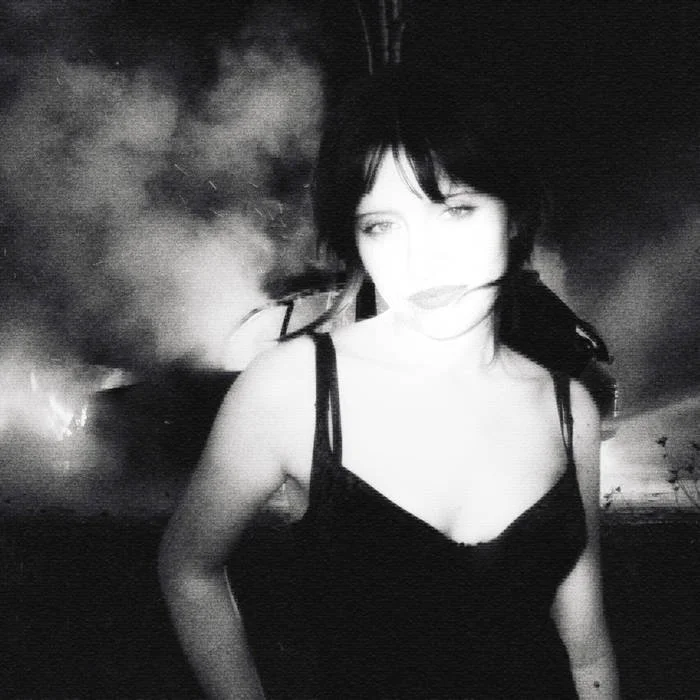
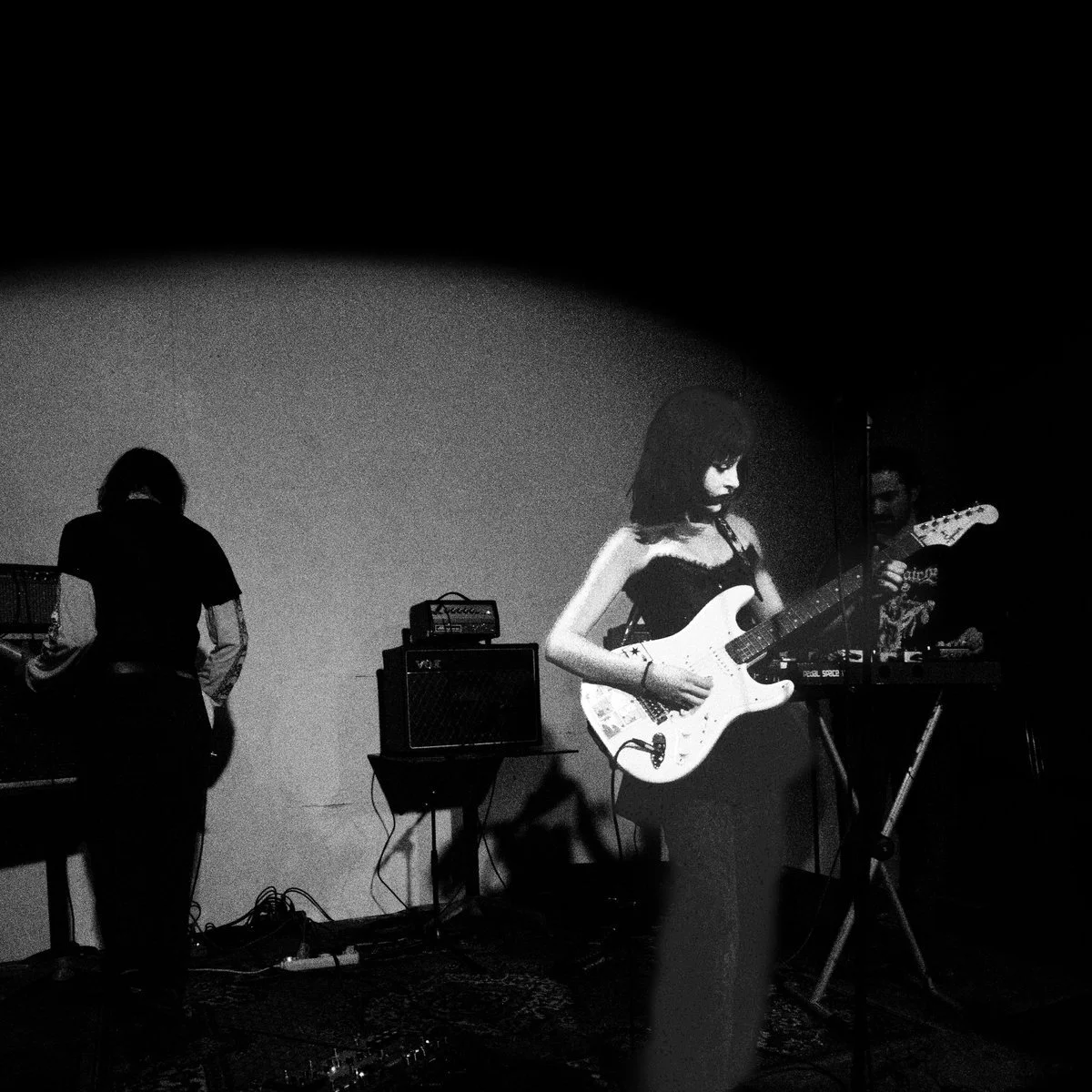
French-based, Istanbul-born singer-songwriter Lal Tuna returns with another haunting gem in her new single Don’t Forget Me, now circulating across indie playlists and underground music circles.

Known for straddling the line between dreamy introspection and raw emotional exposure, Lal Tuna has steadily carved out a space of her own. Working largely independently from her base in Bordeaux, she writes, produces, and performs music that feels less like singles and more like lived-in emotional documents. Her work leans into DIY sensibilities while maintaining a sharp artistic vision — intimate, cinematic, and unafraid of discomfort.

A Vivid, Personal Tale in Sound

Don’t Forget Me stands out as a quietly devastating entry in her catalog. Where earlier releases explored trauma, disassociation, and longing through genre-blurring soundscapes, this track zeroes in on memory and attachment. It’s a restrained, atmospheric piece that unfolds slowly, allowing vulnerability to sit front and center.

Rather than building toward a dramatic crescendo, the song lingers in its emotional tension. Softly delivered vocals drift over minimal instrumentation, giving the impression of a late-night confession — part plea, part acceptance. The result is a track that feels deeply personal without ever tipping into melodrama.

Channeling the Art School Girlfriend Ethos

There’s an unmistakable art school girlfriend energy running through Don’t Forget Me — not as imitation, but as shared sensibility. Like the aesthetic often associated with emotionally literate, artist-led pop, Lal Tuna’s approach favors mood, nuance, and interior worlds over obvious hooks or spectacle.

The comparison works less on a sonic level and more in spirit. This is music rooted in introspection, romantic vulnerability, and the idea of the artist as observer of her own emotional landscape. It’s thoughtful, intimate, and slightly detached — as if the song exists in the space between remembering and letting go.

An Artist Still Expanding Her World

Across her broader body of work, Lal Tuna has shown a willingness to experiment — from eerie folk-leaning tracks to darker, guitar-driven material shaped by personal recovery and emotional survival. That restless creativity continues here, with Don’t Forget Me feeling like both a continuation and a refinement of her voice.

As the single finds its way into listeners’ headphones, it reinforces Lal Tuna’s quiet but compelling presence in the indie landscape. This is music that doesn’t demand attention — it earns it, lingering long after the final note fades.

Comment